


09 February 2026
Europe’s industrial sector mounted a strong challenge to a European Commission proposal that could weaken the recently launched Carbon Border Adjustment Mechanism (CBAM) - a central pillar of the EU’s climate policy designed to tax carbon emissions embedded in imported goods. The Commission’s proposed Article 27a exemption clause would give it discretionary power to exempt certain products from the carbon border tax, raising concerns among industry experts and sustainability advocates alike.
Representatives from sectors including fertilizers, steel, aluminum, cement, electricity, and hydrogen have expressed alarm that such exemptions could undermine the predictability and effectiveness of CBAM. Industry groups fear the vague wording of Article 27a could allow for political intervention, weakening incentives for both EU and global producers to invest in low-carbon technologies and decarbonization projects.
Eurelectric, the voice of Europe’s electricity industry, warned that if CBAM obligations can be lifted “for political or undefined unforeseen reasons,” it may weaken investment incentives in low-carbon production both within the EU and internationally. Other sector bodies, such as Eurofer (steel) and Cement Europe, have similarly cautioned that legal uncertainty could hamper progress toward emissions reductions and discourage early climate action.
Critics of the exemption proposal argue that a predictable carbon border tax framework is crucial not only for achieving the EU’s climate goals under the European Green Deal but also for encouraging other countries to adopt carbon pricing and cleaner industrial practices. With CBAM now in force for many high-emission imports, industry pushback highlights the tension between safeguarding competitiveness and maintaining robust climate policy.
Industry pushback against CBAM dilution reflects genuine competitive concerns, and how the EU resolves it will define the mechanism's long-term credibility for global partners. Our supply-chain-and-operations and market-intelligence teams help clients evaluate what CBAM design choices mean for their sourcing strategy and embedded-emissions disclosure.

• 𝘛𝘩𝘦 𝘜𝘈𝘌 𝘍𝘰𝘰𝘥 𝘉𝘢𝘯𝘬 𝘢𝘯𝘥 𝘋𝘶𝘣𝘢𝘪’𝘴 𝘊𝘰𝘮𝘮𝘶𝘯𝘪𝘵𝘺 𝘋𝘦𝘷𝘦𝘭𝘰𝘱𝘮𝘦𝘯𝘵 𝘈𝘶𝘵𝘩𝘰𝘳𝘪𝘵𝘺 (𝘊𝘋𝘈) 𝘩𝘢𝘷𝘦 𝘴𝘪𝘨𝘯𝘦𝘥 𝘢𝘯 𝘢𝘨𝘳𝘦𝘦𝘮𝘦𝘯𝘵 𝘵𝘰 𝘤𝘰𝘭𝘭𝘦𝘤𝘵 𝘢𝘯𝘥 𝘳𝘦𝘥𝘪𝘴𝘵𝘳𝘪𝘣𝘶𝘵𝘦 𝘴𝘶𝘳𝘱𝘭𝘶𝘴 𝘧𝘰𝘰𝘥 𝘧𝘳𝘰𝘮 𝘸𝘦𝘥𝘥𝘪𝘯𝘨𝘴 𝘢𝘯𝘥 𝘦𝘷𝘦𝘯𝘵𝘴. • 𝘛𝘩𝘦 𝘪𝘯𝘪𝘵𝘪𝘢𝘵𝘪𝘷𝘦 𝘸𝘪𝘭𝘭 𝘧𝘰𝘭𝘭𝘰𝘸 𝘢𝘱𝘱𝘳𝘰𝘷𝘦𝘥…
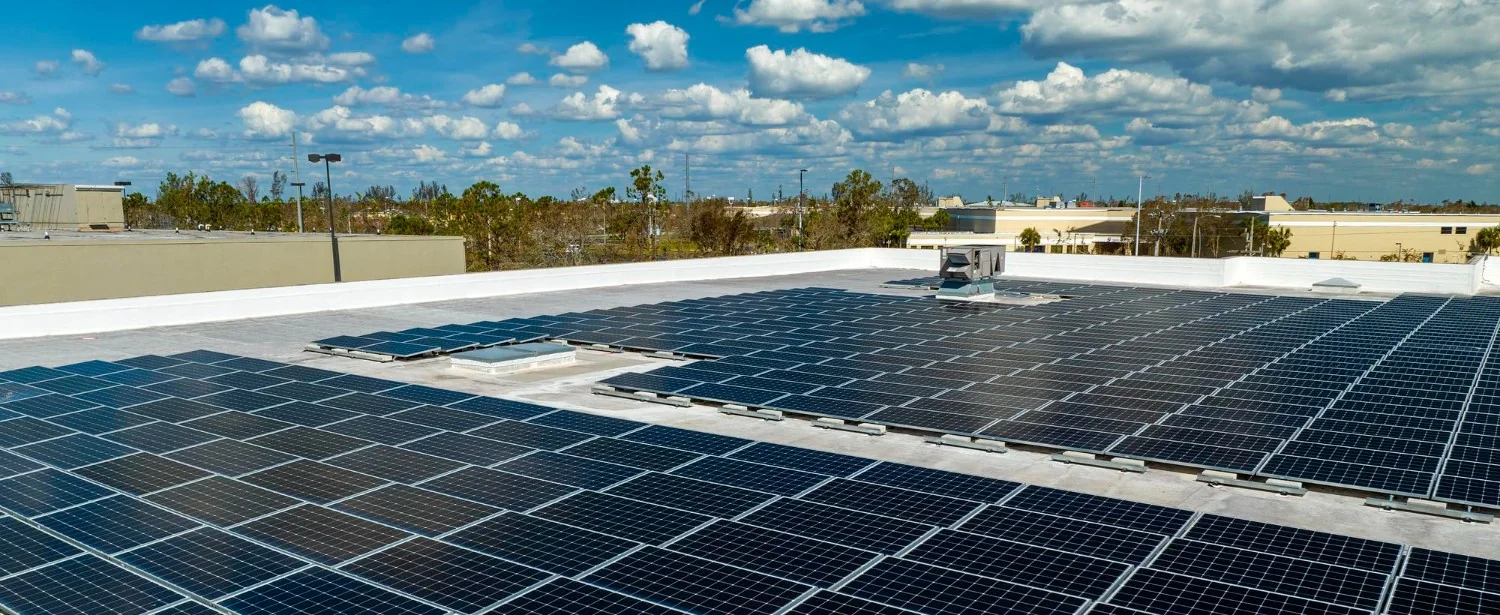
<ul><li><i>India’s rooftop solar capacity reached 30.7 GW in July 2026, increasing the need for better grid management and flexibility.</i></li><li><i>Kerala and Maharashtra are exploring battery ener…
• 𝘛𝘩𝘦 𝘌𝘐𝘉 𝘎𝘳𝘰𝘶𝘱 𝘱𝘭𝘢𝘯𝘴 𝘵𝘰 𝘱𝘳𝘰𝘷𝘪𝘥𝘦 𝘢𝘵 𝘭𝘦𝘢𝘴𝘵 €30 𝘣𝘪𝘭𝘭𝘪𝘰𝘯 𝘧𝘰𝘳 𝘤𝘭𝘪𝘮𝘢𝘵𝘦 𝘢𝘥𝘢𝘱𝘵𝘢𝘵𝘪𝘰𝘯 𝘣𝘦𝘵𝘸𝘦𝘦𝘯 2026 𝘢𝘯𝘥 2030. • 𝘛𝘩𝘦 𝘯𝘦𝘸 𝘵𝘢𝘳𝘨𝘦𝘵 𝘥𝘰𝘶𝘣𝘭𝘦𝘴 𝘢𝘥𝘢𝘱𝘵𝘢𝘵𝘪𝘰𝘯 𝘧𝘪𝘯𝘢𝘯𝘤𝘪𝘯𝘨 𝘤𝘰𝘮𝘱𝘢𝘳𝘦𝘥 𝘸𝘪𝘵𝘩 𝘵𝘩𝘦 𝘱𝘳𝘦𝘷𝘪𝘰𝘶𝘴 𝘧𝘪𝘷𝘦-𝘺𝘦𝘢𝘳 𝘱𝘦𝘳𝘪𝘰𝘥. • 𝘍𝘶𝘯𝘥𝘪𝘯𝘨…