

22 February 2026
On February 23, 2026, the European Council officially adopted a modernised policy framework for the EU wine sector, incorporating strengthened sustainability support measures alongside reforms designed to help growers adapt to climate change and evolving market conditions.
The updated legislation follows a provisional agreement reached in December 2025 between EU institutions and member states and reflects continued political focus on blending agricultural competitiveness with environmental resilience.
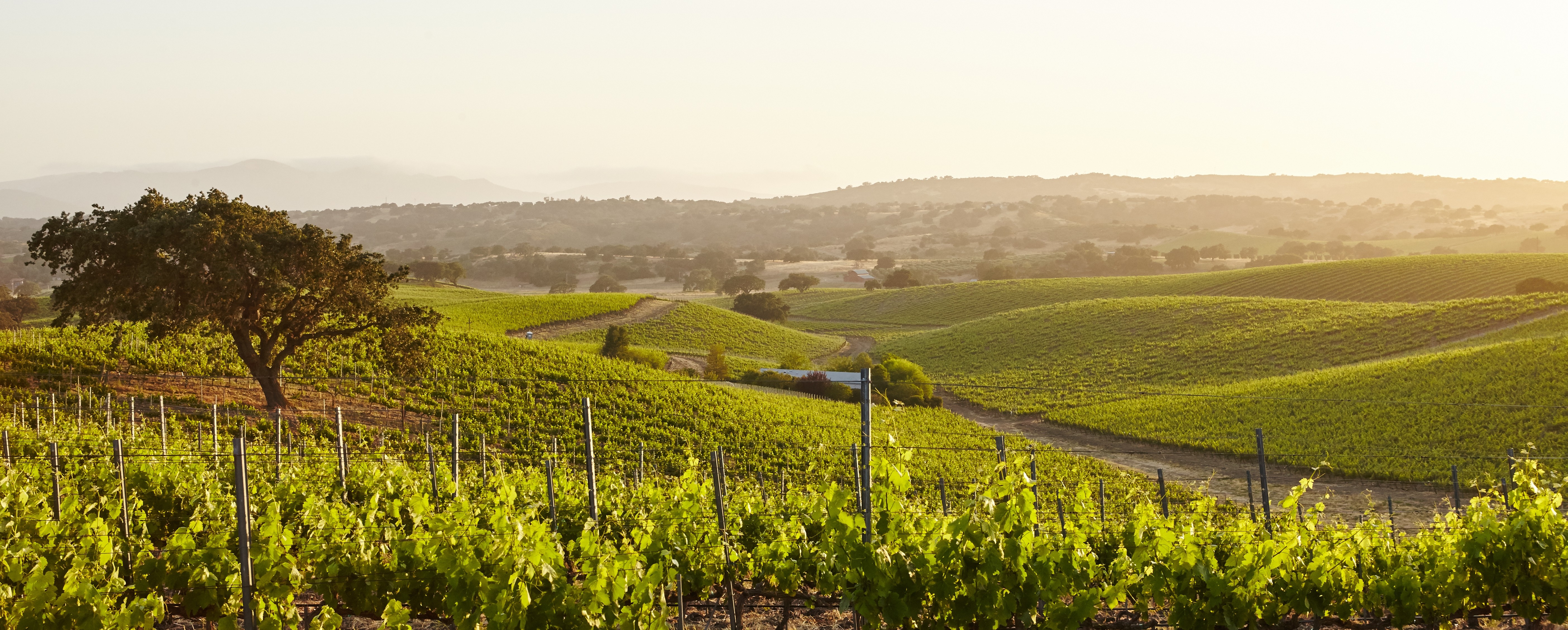
Under the new framework, eligible vineyards can receive up to 80 % financial assistance for climate-related investments, including mitigation and adaptation actions such as restructuring and converting vineyards to more resilient practices. These sustainability-oriented investments aim to help grape growers cope with rising climate pressures - including drought, extreme weather, and disease - while reducing their ecological footprint across Europe’s diverse wine regions.
The legislation also introduces broader changes to labelling and market practices.
For the first time, products with alcohol content below 0.05 % may be labelled “alcohol-free” or “0.0 %”, while “reduced alcohol” categories will be clearly defined, helping producers respond to shifting consumer preferences with greater clarity and harmonised standards.
Simplified labelling rules are expected to cut administrative costs and facilitate cross-border trade both within the EU and with markets outside the bloc.
In addition, the policy gives member states flexibility to support measures such as grubbing-up excess vines to balance supply and demand amid dampened consumption, and to expand support for wine tourism and rural economic development.
Maria Panayiotou, Minister of Agriculture, Rural Development and Environment for Cyprus, praised the swift adoption of the regulation, highlighting how coordinated action between the European Council and Parliament will allow the wine sector to access these sustainability benefits already this year.
Modernised wine policy with sustainability support shapes what CBAM-adjacent agricultural production looks like, and it affects sourcing narratives for global beverage brands sourcing European wine. Our supply-chain-and-operations and nature-based-solutions teams help beverage clients evaluate what these policies mean for sourcing strategy and Scope 3 disclosure.

• 𝘛𝘩𝘦 𝘜𝘈𝘌 𝘍𝘰𝘰𝘥 𝘉𝘢𝘯𝘬 𝘢𝘯𝘥 𝘋𝘶𝘣𝘢𝘪’𝘴 𝘊𝘰𝘮𝘮𝘶𝘯𝘪𝘵𝘺 𝘋𝘦𝘷𝘦𝘭𝘰𝘱𝘮𝘦𝘯𝘵 𝘈𝘶𝘵𝘩𝘰𝘳𝘪𝘵𝘺 (𝘊𝘋𝘈) 𝘩𝘢𝘷𝘦 𝘴𝘪𝘨𝘯𝘦𝘥 𝘢𝘯 𝘢𝘨𝘳𝘦𝘦𝘮𝘦𝘯𝘵 𝘵𝘰 𝘤𝘰𝘭𝘭𝘦𝘤𝘵 𝘢𝘯𝘥 𝘳𝘦𝘥𝘪𝘴𝘵𝘳𝘪𝘣𝘶𝘵𝘦 𝘴𝘶𝘳𝘱𝘭𝘶𝘴 𝘧𝘰𝘰𝘥 𝘧𝘳𝘰𝘮 𝘸𝘦𝘥𝘥𝘪𝘯𝘨𝘴 𝘢𝘯𝘥 𝘦𝘷𝘦𝘯𝘵𝘴. • 𝘛𝘩𝘦 𝘪𝘯𝘪𝘵𝘪𝘢𝘵𝘪𝘷𝘦 𝘸𝘪𝘭𝘭 𝘧𝘰𝘭𝘭𝘰𝘸 𝘢𝘱𝘱𝘳𝘰𝘷𝘦𝘥…

<ul><li><i>India’s rooftop solar capacity reached 30.7 GW in July 2026, increasing the need for better grid management and flexibility.</i></li><li><i>Kerala and Maharashtra are exploring battery ener…

• 𝘛𝘩𝘦 𝘌𝘐𝘉 𝘎𝘳𝘰𝘶𝘱 𝘱𝘭𝘢𝘯𝘴 𝘵𝘰 𝘱𝘳𝘰𝘷𝘪𝘥𝘦 𝘢𝘵 𝘭𝘦𝘢𝘴𝘵 €30 𝘣𝘪𝘭𝘭𝘪𝘰𝘯 𝘧𝘰𝘳 𝘤𝘭𝘪𝘮𝘢𝘵𝘦 𝘢𝘥𝘢𝘱𝘵𝘢𝘵𝘪𝘰𝘯 𝘣𝘦𝘵𝘸𝘦𝘦𝘯 2026 𝘢𝘯𝘥 2030. • 𝘛𝘩𝘦 𝘯𝘦𝘸 𝘵𝘢𝘳𝘨𝘦𝘵 𝘥𝘰𝘶𝘣𝘭𝘦𝘴 𝘢𝘥𝘢𝘱𝘵𝘢𝘵𝘪𝘰𝘯 𝘧𝘪𝘯𝘢𝘯𝘤𝘪𝘯𝘨 𝘤𝘰𝘮𝘱𝘢𝘳𝘦𝘥 𝘸𝘪𝘵𝘩 𝘵𝘩𝘦 𝘱𝘳𝘦𝘷𝘪𝘰𝘶𝘴 𝘧𝘪𝘷𝘦-𝘺𝘦𝘢𝘳 𝘱𝘦𝘳𝘪𝘰𝘥. • 𝘍𝘶𝘯𝘥𝘪𝘯𝘨…