


05 December 2025
European wildfire emissions have surged to record levels in 2025, according to data from the Copernicus Atmosphere Monitoring Service (CAMS). The combined carbon emissions from wildfires across the European Union and the United Kingdom are estimated at nearly 13 megatonnes, marking the highest annual total since monitoring began.
The spike in emissions follows a devastating wildfire season - particularly severe on the Iberian Peninsula, where persistent heatwaves, extreme dryness, and strong winds triggered widespread fires. Smoke from the blazes spread across Europe, pushing concentrations of harmful fine particulates (PM2.5) and other pollutants well beyond safe limits in many regions, posing serious risks to air quality and public health.
Beyond carbon, the fires have wrought extensive environmental damage: huge areas of forest and land have burned - in some countries more than a million hectares so far this year - altering habitats, increasing soil erosion, and amplifying the risks of future droughts and biodiversity loss.
The tragic outcome underscores how climate change - through hotter summers, drier conditions and more frequent heatwaves - is intensifying wildfire risks in Europe. Experts warn that without significant mitigation, adaptation, and improved forest-management efforts, such disaster seasons may become the new norm.
13 megatonnes of wildfire carbon emissions in a single year across the EU and UK - the highest on record - represents both a climate consequence and a climate feedback. Wildfires release stored carbon while reducing forest carbon-sink capacity, creating a compounding effect that undermines assumed land-based emissions absorption in national and regional climate targets.
The Iberian Peninsula concentration reflects the drier and hotter Mediterranean conditions that climate models have projected for decades. PM2.5 pollution reaching harmful levels across wide geographic areas creates public-health exposure that extends far beyond the direct fire footprint - an under-appreciated cost dimension of wildfire seasons.
For agricultural, forestry, insurance and real-estate clients with Mediterranean or fire-prone regional exposure, Cognitud's climate action, nature-based solutions and impact assessment teams help clients evaluate physical-climate-risk exposure to wildfire regimes, structure adaptation and forest-management investment cases, and prepare disclosures aligned with TCFD, ISSB S2 and jurisdictional climate-adaptation frameworks that increasingly require quantified wildfire-linked risk analysis.

• 𝘛𝘩𝘦 𝘜𝘈𝘌 𝘍𝘰𝘰𝘥 𝘉𝘢𝘯𝘬 𝘢𝘯𝘥 𝘋𝘶𝘣𝘢𝘪’𝘴 𝘊𝘰𝘮𝘮𝘶𝘯𝘪𝘵𝘺 𝘋𝘦𝘷𝘦𝘭𝘰𝘱𝘮𝘦𝘯𝘵 𝘈𝘶𝘵𝘩𝘰𝘳𝘪𝘵𝘺 (𝘊𝘋𝘈) 𝘩𝘢𝘷𝘦 𝘴𝘪𝘨𝘯𝘦𝘥 𝘢𝘯 𝘢𝘨𝘳𝘦𝘦𝘮𝘦𝘯𝘵 𝘵𝘰 𝘤𝘰𝘭𝘭𝘦𝘤𝘵 𝘢𝘯𝘥 𝘳𝘦𝘥𝘪𝘴𝘵𝘳𝘪𝘣𝘶𝘵𝘦 𝘴𝘶𝘳𝘱𝘭𝘶𝘴 𝘧𝘰𝘰𝘥 𝘧𝘳𝘰𝘮 𝘸𝘦𝘥𝘥𝘪𝘯𝘨𝘴 𝘢𝘯𝘥 𝘦𝘷𝘦𝘯𝘵𝘴. • 𝘛𝘩𝘦 𝘪𝘯𝘪𝘵𝘪𝘢𝘵𝘪𝘷𝘦 𝘸𝘪𝘭𝘭 𝘧𝘰𝘭𝘭𝘰𝘸 𝘢𝘱𝘱𝘳𝘰𝘷𝘦𝘥…
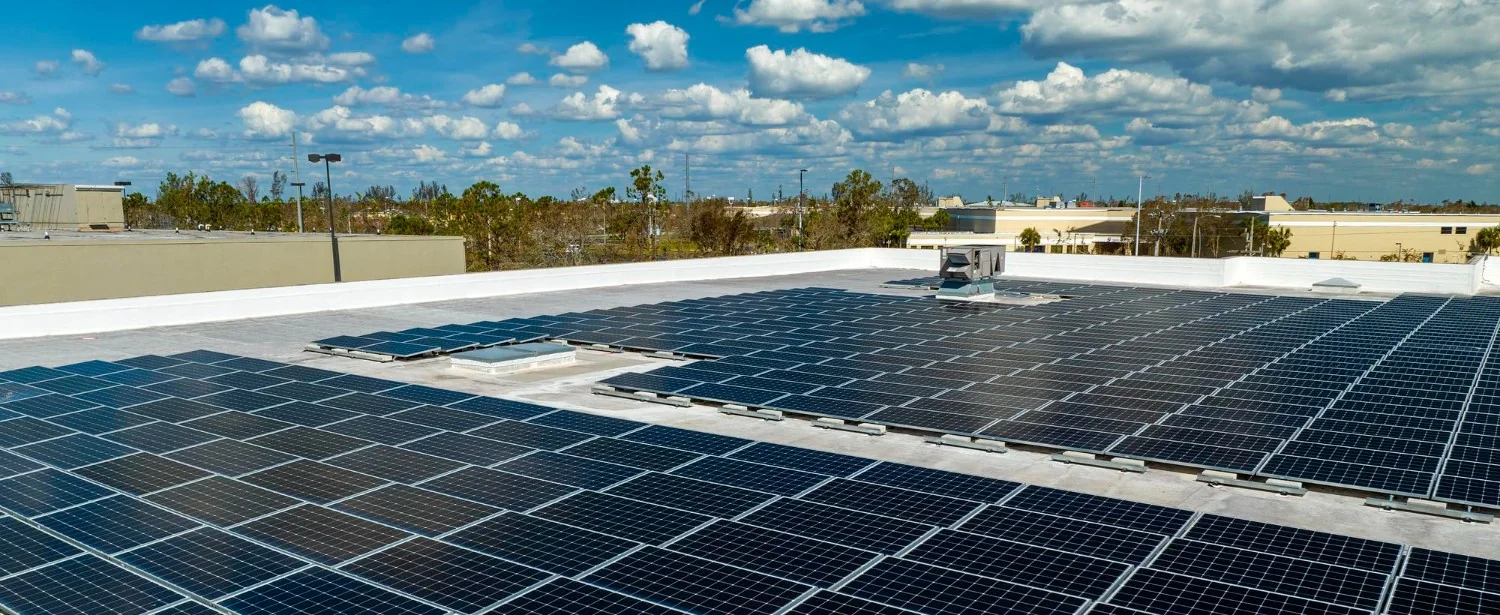
<ul><li><i>India’s rooftop solar capacity reached 30.7 GW in July 2026, increasing the need for better grid management and flexibility.</i></li><li><i>Kerala and Maharashtra are exploring battery ener…

• 𝘛𝘩𝘦 𝘌𝘐𝘉 𝘎𝘳𝘰𝘶𝘱 𝘱𝘭𝘢𝘯𝘴 𝘵𝘰 𝘱𝘳𝘰𝘷𝘪𝘥𝘦 𝘢𝘵 𝘭𝘦𝘢𝘴𝘵 €30 𝘣𝘪𝘭𝘭𝘪𝘰𝘯 𝘧𝘰𝘳 𝘤𝘭𝘪𝘮𝘢𝘵𝘦 𝘢𝘥𝘢𝘱𝘵𝘢𝘵𝘪𝘰𝘯 𝘣𝘦𝘵𝘸𝘦𝘦𝘯 2026 𝘢𝘯𝘥 2030. • 𝘛𝘩𝘦 𝘯𝘦𝘸 𝘵𝘢𝘳𝘨𝘦𝘵 𝘥𝘰𝘶𝘣𝘭𝘦𝘴 𝘢𝘥𝘢𝘱𝘵𝘢𝘵𝘪𝘰𝘯 𝘧𝘪𝘯𝘢𝘯𝘤𝘪𝘯𝘨 𝘤𝘰𝘮𝘱𝘢𝘳𝘦𝘥 𝘸𝘪𝘵𝘩 𝘵𝘩𝘦 𝘱𝘳𝘦𝘷𝘪𝘰𝘶𝘴 𝘧𝘪𝘷𝘦-𝘺𝘦𝘢𝘳 𝘱𝘦𝘳𝘪𝘰𝘥. • 𝘍𝘶𝘯𝘥𝘪𝘯𝘨…