


15 January 2026
European sustainability researchers and industry partners showcased significant progress in developing per- and polyfluoroalkyl substances (PFAS-free) coating technologies for packaging and textile applications. This development represents a key milestone in the EU’s transition to safer, more sustainable materials and reflects growing regulatory pressure to phase out harmful “forever chemicals” that accumulate in the environment and pose health risks.
The initiative stems from the ZeroF project, a multi-year research collaboration involving scientific and industrial partners from across Europe.
During the project’s final stakeholder event held in Barcelona, participants highlighted practical advancements in PFAS-free coatings that offer promising water and grease repellency for both food packaging and upholstery textiles.
These developments come as the EU tightens rules under strategies such as the Chemicals Strategy for Sustainability and the Zero Pollution Action Plan, which plan to restrict non-essential uses of PFAS by 2030.
In textile applications, researchers tested advanced hybrid coatings that integrate organic and inorganic components to deliver durable liquids resistance while reducing reliance on PFAS. Pilot trials demonstrated that these coatings could be applied using standard machinery, pointing to feasible scale-up paths for industry adoption.
For food packaging, scientists developed bio-based barrier materials that show strong water and grease resistance in laboratory and pilot-scale production, although further evaluation of recyclability and food safety criteria is ongoing.
Beyond technical achievements, the effort underscored the importance of regulatory alignment, consumer acceptance and updated standards tailored to PFAS-free materials. Surveys conducted across several EU countries revealed that once consumers are informed about PFAS risks and alternatives, many express a clear preference for PFAS-free products.
This combination of scientific innovation, policy momentum and public interest is helping pave the way toward wider adoption of safer, environmentally resilient materials in Europe’s packaging and textile sectors.
PFAS-free materials for packaging and textiles will reshape supplier selection across consumer goods, fashion and food services, and it opens genuine innovation opportunities for materials companies positioned early. Our supply-chain-and-operations and sustainability-due-diligence teams help clients evaluate what PFAS restrictions mean for sourcing strategy and product design.

• 𝘛𝘩𝘦 𝘜𝘈𝘌 𝘍𝘰𝘰𝘥 𝘉𝘢𝘯𝘬 𝘢𝘯𝘥 𝘋𝘶𝘣𝘢𝘪’𝘴 𝘊𝘰𝘮𝘮𝘶𝘯𝘪𝘵𝘺 𝘋𝘦𝘷𝘦𝘭𝘰𝘱𝘮𝘦𝘯𝘵 𝘈𝘶𝘵𝘩𝘰𝘳𝘪𝘵𝘺 (𝘊𝘋𝘈) 𝘩𝘢𝘷𝘦 𝘴𝘪𝘨𝘯𝘦𝘥 𝘢𝘯 𝘢𝘨𝘳𝘦𝘦𝘮𝘦𝘯𝘵 𝘵𝘰 𝘤𝘰𝘭𝘭𝘦𝘤𝘵 𝘢𝘯𝘥 𝘳𝘦𝘥𝘪𝘴𝘵𝘳𝘪𝘣𝘶𝘵𝘦 𝘴𝘶𝘳𝘱𝘭𝘶𝘴 𝘧𝘰𝘰𝘥 𝘧𝘳𝘰𝘮 𝘸𝘦𝘥𝘥𝘪𝘯𝘨𝘴 𝘢𝘯𝘥 𝘦𝘷𝘦𝘯𝘵𝘴. • 𝘛𝘩𝘦 𝘪𝘯𝘪𝘵𝘪𝘢𝘵𝘪𝘷𝘦 𝘸𝘪𝘭𝘭 𝘧𝘰𝘭𝘭𝘰𝘸 𝘢𝘱𝘱𝘳𝘰𝘷𝘦𝘥…
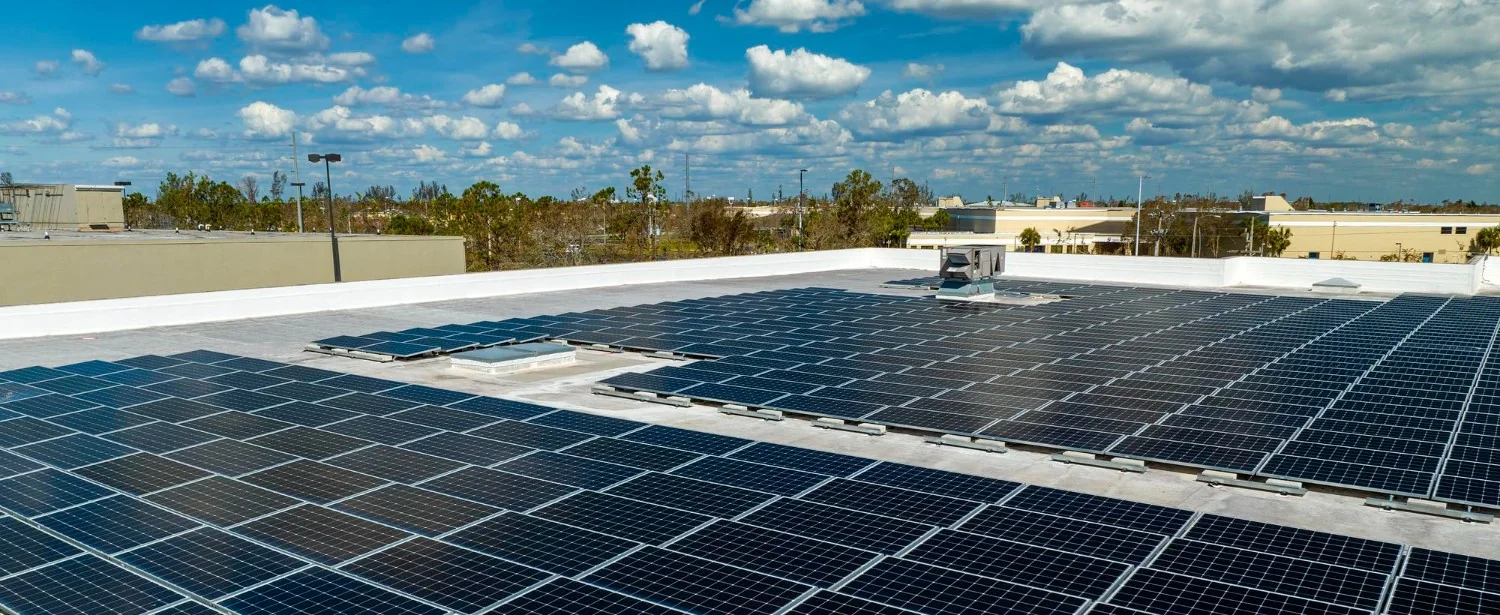
<ul><li><i>India’s rooftop solar capacity reached 30.7 GW in July 2026, increasing the need for better grid management and flexibility.</i></li><li><i>Kerala and Maharashtra are exploring battery ener…

• 𝘛𝘩𝘦 𝘌𝘐𝘉 𝘎𝘳𝘰𝘶𝘱 𝘱𝘭𝘢𝘯𝘴 𝘵𝘰 𝘱𝘳𝘰𝘷𝘪𝘥𝘦 𝘢𝘵 𝘭𝘦𝘢𝘴𝘵 €30 𝘣𝘪𝘭𝘭𝘪𝘰𝘯 𝘧𝘰𝘳 𝘤𝘭𝘪𝘮𝘢𝘵𝘦 𝘢𝘥𝘢𝘱𝘵𝘢𝘵𝘪𝘰𝘯 𝘣𝘦𝘵𝘸𝘦𝘦𝘯 2026 𝘢𝘯𝘥 2030. • 𝘛𝘩𝘦 𝘯𝘦𝘸 𝘵𝘢𝘳𝘨𝘦𝘵 𝘥𝘰𝘶𝘣𝘭𝘦𝘴 𝘢𝘥𝘢𝘱𝘵𝘢𝘵𝘪𝘰𝘯 𝘧𝘪𝘯𝘢𝘯𝘤𝘪𝘯𝘨 𝘤𝘰𝘮𝘱𝘢𝘳𝘦𝘥 𝘸𝘪𝘵𝘩 𝘵𝘩𝘦 𝘱𝘳𝘦𝘷𝘪𝘰𝘶𝘴 𝘧𝘪𝘷𝘦-𝘺𝘦𝘢𝘳 𝘱𝘦𝘳𝘪𝘰𝘥. • 𝘍𝘶𝘯𝘥𝘪𝘯𝘨…