

27 January 2026
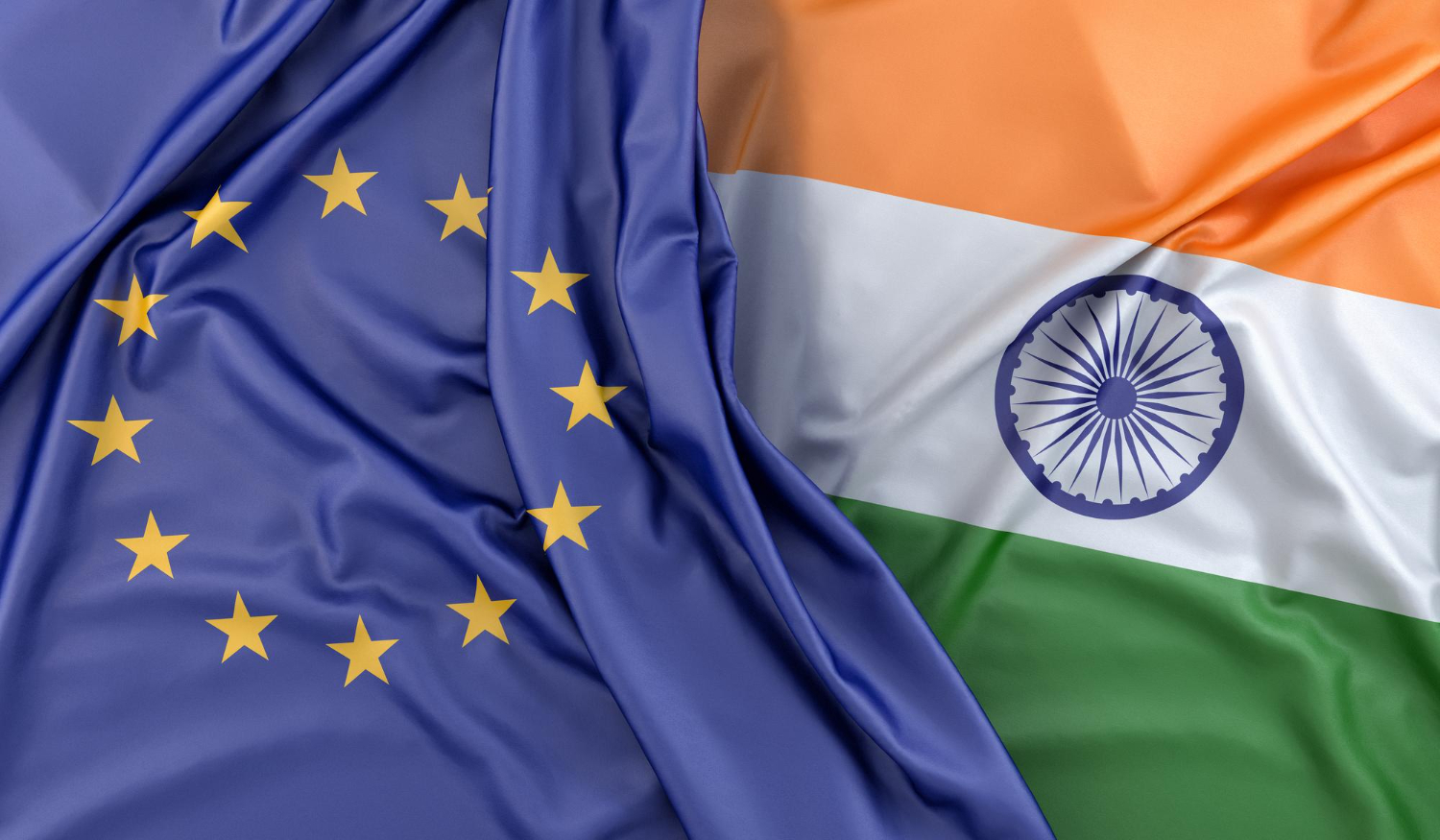
The European Union and India concluded extensive trade negotiations, finalising a landmark free trade agreement on 27 January 2026, but retained a cornerstone of the EU’s climate policy - the Carbon Border Adjustment Mechanism (CBAM) - in its existing form. Despite India’s concerns that the tariff could disadvantage its exports, Brussels confirmed that no special exemptions will be granted under the trade deal, reaffirming the bloc’s non-discrimination approach to climate-linked trade measures.
CBAM is a policy designed to impose a carbon-related charge on certain imported goods that have high embedded emissions, such as steel, cement and aluminium.
It aims to level the playing field between domestically produced goods - which face carbon pricing under the EU’s emissions trading system - and imports from regions where carbon costs are lower or unregulated.
This mechanism became fully operational in January 2026, reflecting the EU’s commitment to integrating climate objectives into trade policy.
Indian officials expressed concern that the mechanism’s continued application could undermine the economic benefits of the new trade agreement for key industrial sectors exposed to carbon costs.
While the pact includes provisions for ongoing dialogue between Brussels and New Delhi to address technical challenges presented by CBAM, it does not remove or delay the levy itself.
Instead, the EU has pledged cooperation and climate support measures aimed at helping Indian producers transition toward lower emissions - including targeted funding and potential technical assistance.
The agreement also includes elements expected to expand market access and reduce traditional tariffs on a wide range of goods, but climate-linked trade measures remain a significant point of divergence. Analysts note that ongoing cooperation on emissions measurement and carbon pricing recognition could help align long-term sustainability objectives, but immediate competitive pressures for carbon-intensive exports persist under the current framework.
CBAM surviving significant trade-pact negotiations signals how central the mechanism is to EU industrial-decarbonisation strategy, and it directly affects sourcing planning for CBAM-exposed sectors on both sides of the deal. Our supply-chain-and-operations and market-intelligence teams help clients evaluate what CBAM continuity means for sourcing and disclosure.

• 𝘛𝘩𝘦 𝘜𝘈𝘌 𝘍𝘰𝘰𝘥 𝘉𝘢𝘯𝘬 𝘢𝘯𝘥 𝘋𝘶𝘣𝘢𝘪’𝘴 𝘊𝘰𝘮𝘮𝘶𝘯𝘪𝘵𝘺 𝘋𝘦𝘷𝘦𝘭𝘰𝘱𝘮𝘦𝘯𝘵 𝘈𝘶𝘵𝘩𝘰𝘳𝘪𝘵𝘺 (𝘊𝘋𝘈) 𝘩𝘢𝘷𝘦 𝘴𝘪𝘨𝘯𝘦𝘥 𝘢𝘯 𝘢𝘨𝘳𝘦𝘦𝘮𝘦𝘯𝘵 𝘵𝘰 𝘤𝘰𝘭𝘭𝘦𝘤𝘵 𝘢𝘯𝘥 𝘳𝘦𝘥𝘪𝘴𝘵𝘳𝘪𝘣𝘶𝘵𝘦 𝘴𝘶𝘳𝘱𝘭𝘶𝘴 𝘧𝘰𝘰𝘥 𝘧𝘳𝘰𝘮 𝘸𝘦𝘥𝘥𝘪𝘯𝘨𝘴 𝘢𝘯𝘥 𝘦𝘷𝘦𝘯𝘵𝘴. • 𝘛𝘩𝘦 𝘪𝘯𝘪𝘵𝘪𝘢𝘵𝘪𝘷𝘦 𝘸𝘪𝘭𝘭 𝘧𝘰𝘭𝘭𝘰𝘸 𝘢𝘱𝘱𝘳𝘰𝘷𝘦𝘥…
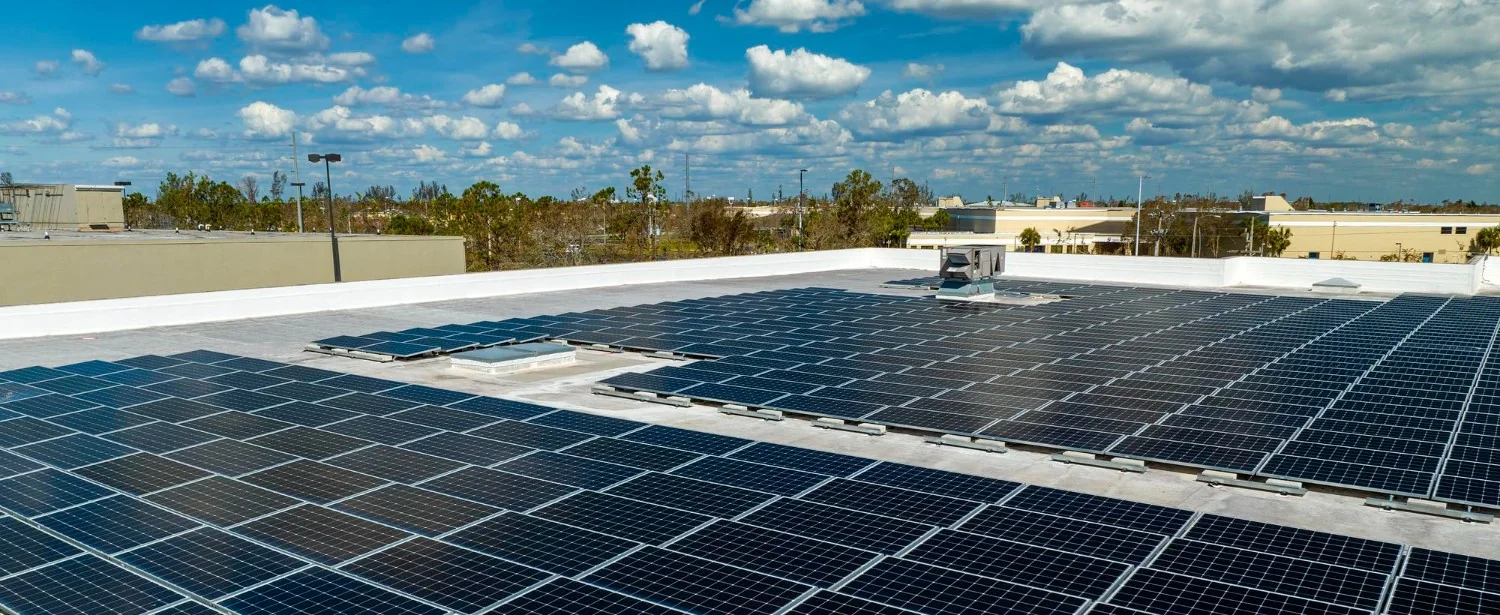
<ul><li><i>India’s rooftop solar capacity reached 30.7 GW in July 2026, increasing the need for better grid management and flexibility.</i></li><li><i>Kerala and Maharashtra are exploring battery ener…
• 𝘛𝘩𝘦 𝘌𝘐𝘉 𝘎𝘳𝘰𝘶𝘱 𝘱𝘭𝘢𝘯𝘴 𝘵𝘰 𝘱𝘳𝘰𝘷𝘪𝘥𝘦 𝘢𝘵 𝘭𝘦𝘢𝘴𝘵 €30 𝘣𝘪𝘭𝘭𝘪𝘰𝘯 𝘧𝘰𝘳 𝘤𝘭𝘪𝘮𝘢𝘵𝘦 𝘢𝘥𝘢𝘱𝘵𝘢𝘵𝘪𝘰𝘯 𝘣𝘦𝘵𝘸𝘦𝘦𝘯 2026 𝘢𝘯𝘥 2030. • 𝘛𝘩𝘦 𝘯𝘦𝘸 𝘵𝘢𝘳𝘨𝘦𝘵 𝘥𝘰𝘶𝘣𝘭𝘦𝘴 𝘢𝘥𝘢𝘱𝘵𝘢𝘵𝘪𝘰𝘯 𝘧𝘪𝘯𝘢𝘯𝘤𝘪𝘯𝘨 𝘤𝘰𝘮𝘱𝘢𝘳𝘦𝘥 𝘸𝘪𝘵𝘩 𝘵𝘩𝘦 𝘱𝘳𝘦𝘷𝘪𝘰𝘶𝘴 𝘧𝘪𝘷𝘦-𝘺𝘦𝘢𝘳 𝘱𝘦𝘳𝘪𝘰𝘥. • 𝘍𝘶𝘯𝘥𝘪𝘯𝘨…