


27 August 2025
The European Union and United States have reached a trade framework agreement that pledges to reduce compliance burdens for U.S. firms under the EU’s Corporate Sustainability Due Diligence Directive (CSDDD) and Corporate Sustainability Reporting Directive (CSRD). Announced in late July and formalized in August, the deal signals a commitment to ensuring sustainability rules do not become trade barriers.
As part of the agreement, the EU promised that these directives will not impose “undue restrictions on transatlantic trade.” It also committed to offering “additional flexibilities” for U.S. companies affected by the Carbon Border Adjustment Mechanism (CBAM), the EU’s tariff system tied to carbon emissions. These steps align with the EU’s broader push to streamline regulations and reduce red tape.
Supporters say the move could help businesses by cutting costs and providing more predictable market access, while keeping environmental standards intact. However, some sustainability advocates warn that embedding such promises in a trade deal risks weakening the EU’s ambitious climate and human rights commitments over time.
The framework represents a pragmatic compromise: preserving CSDDD and CSRD ambitions while acknowledging US business concerns about extraterritorial scope.
The "additional flexibilities" language for CBAM, combined with the "no undue restrictions on transatlantic trade" commitment, gives affected US firms some regulatory breathing room while maintaining the EU's core sustainability framework.
Sustainability advocates' concerns about embedding these flexibilities in trade agreements are legitimate - such provisions tend to become entrenched.
For multinational corporates with EU market presence, the framework reduces immediate compliance friction but does not resolve the underlying question of how EU sustainability regulation interacts with third-country supply chains. As CSDDD and CSRD enter substantive implementation phases, the practical scope of the "flexibilities" will become clearer and will likely require case-by-case evaluation.
For US corporates with EU sales, EU corporates with US operations and financial institutions supporting transatlantic commerce, Cognitud's sustainability due diligence, ESG strategy and transformation and market intelligence teams help clients navigate CSDDD, CSRD and CBAM compliance in the context of evolving trade-agreement flexibilities, structure sustainability governance that satisfies both jurisdictions' expectations, and prepare disclosures aligned with international standards that support consistent positioning across markets.

• 𝘛𝘩𝘦 𝘜𝘈𝘌 𝘍𝘰𝘰𝘥 𝘉𝘢𝘯𝘬 𝘢𝘯𝘥 𝘋𝘶𝘣𝘢𝘪’𝘴 𝘊𝘰𝘮𝘮𝘶𝘯𝘪𝘵𝘺 𝘋𝘦𝘷𝘦𝘭𝘰𝘱𝘮𝘦𝘯𝘵 𝘈𝘶𝘵𝘩𝘰𝘳𝘪𝘵𝘺 (𝘊𝘋𝘈) 𝘩𝘢𝘷𝘦 𝘴𝘪𝘨𝘯𝘦𝘥 𝘢𝘯 𝘢𝘨𝘳𝘦𝘦𝘮𝘦𝘯𝘵 𝘵𝘰 𝘤𝘰𝘭𝘭𝘦𝘤𝘵 𝘢𝘯𝘥 𝘳𝘦𝘥𝘪𝘴𝘵𝘳𝘪𝘣𝘶𝘵𝘦 𝘴𝘶𝘳𝘱𝘭𝘶𝘴 𝘧𝘰𝘰𝘥 𝘧𝘳𝘰𝘮 𝘸𝘦𝘥𝘥𝘪𝘯𝘨𝘴 𝘢𝘯𝘥 𝘦𝘷𝘦𝘯𝘵𝘴. • 𝘛𝘩𝘦 𝘪𝘯𝘪𝘵𝘪𝘢𝘵𝘪𝘷𝘦 𝘸𝘪𝘭𝘭 𝘧𝘰𝘭𝘭𝘰𝘸 𝘢𝘱𝘱𝘳𝘰𝘷𝘦𝘥…
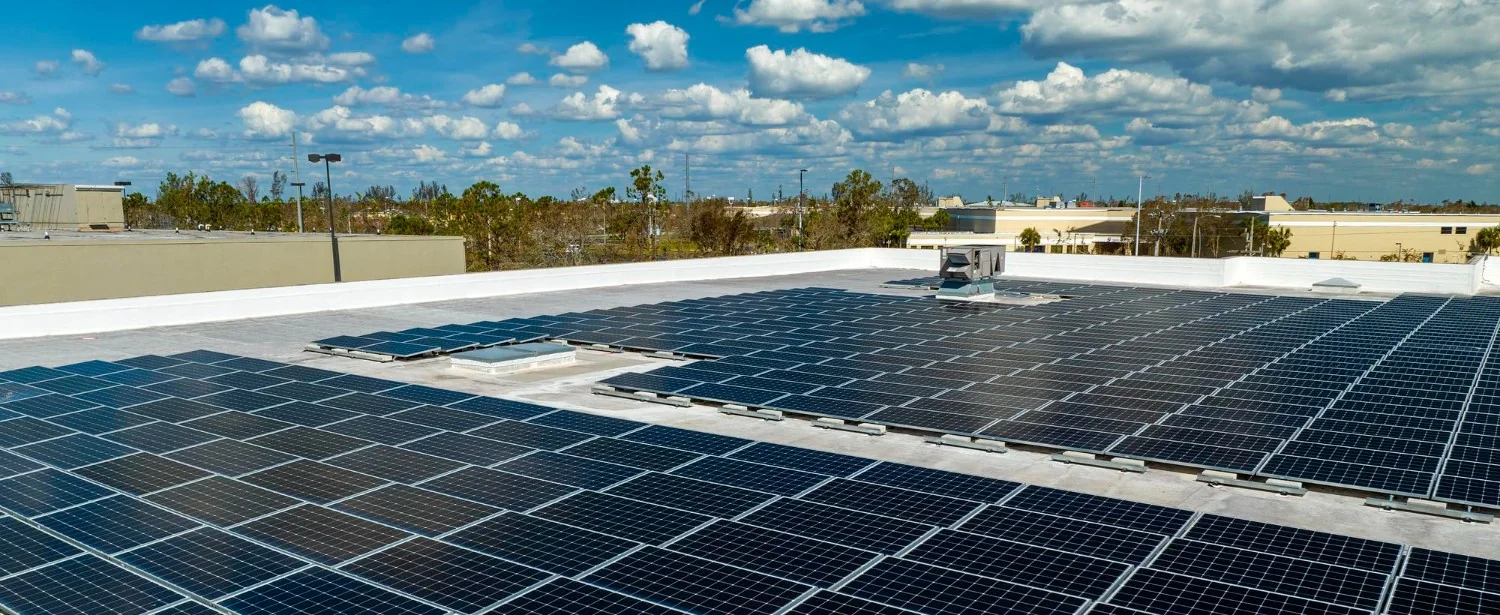
<ul><li><i>India’s rooftop solar capacity reached 30.7 GW in July 2026, increasing the need for better grid management and flexibility.</i></li><li><i>Kerala and Maharashtra are exploring battery ener…
• 𝘛𝘩𝘦 𝘌𝘐𝘉 𝘎𝘳𝘰𝘶𝘱 𝘱𝘭𝘢𝘯𝘴 𝘵𝘰 𝘱𝘳𝘰𝘷𝘪𝘥𝘦 𝘢𝘵 𝘭𝘦𝘢𝘴𝘵 €30 𝘣𝘪𝘭𝘭𝘪𝘰𝘯 𝘧𝘰𝘳 𝘤𝘭𝘪𝘮𝘢𝘵𝘦 𝘢𝘥𝘢𝘱𝘵𝘢𝘵𝘪𝘰𝘯 𝘣𝘦𝘵𝘸𝘦𝘦𝘯 2026 𝘢𝘯𝘥 2030. • 𝘛𝘩𝘦 𝘯𝘦𝘸 𝘵𝘢𝘳𝘨𝘦𝘵 𝘥𝘰𝘶𝘣𝘭𝘦𝘴 𝘢𝘥𝘢𝘱𝘵𝘢𝘵𝘪𝘰𝘯 𝘧𝘪𝘯𝘢𝘯𝘤𝘪𝘯𝘨 𝘤𝘰𝘮𝘱𝘢𝘳𝘦𝘥 𝘸𝘪𝘵𝘩 𝘵𝘩𝘦 𝘱𝘳𝘦𝘷𝘪𝘰𝘶𝘴 𝘧𝘪𝘷𝘦-𝘺𝘦𝘢𝘳 𝘱𝘦𝘳𝘪𝘰𝘥. • 𝘍𝘶𝘯𝘥𝘪𝘯𝘨…