

28 January 2026
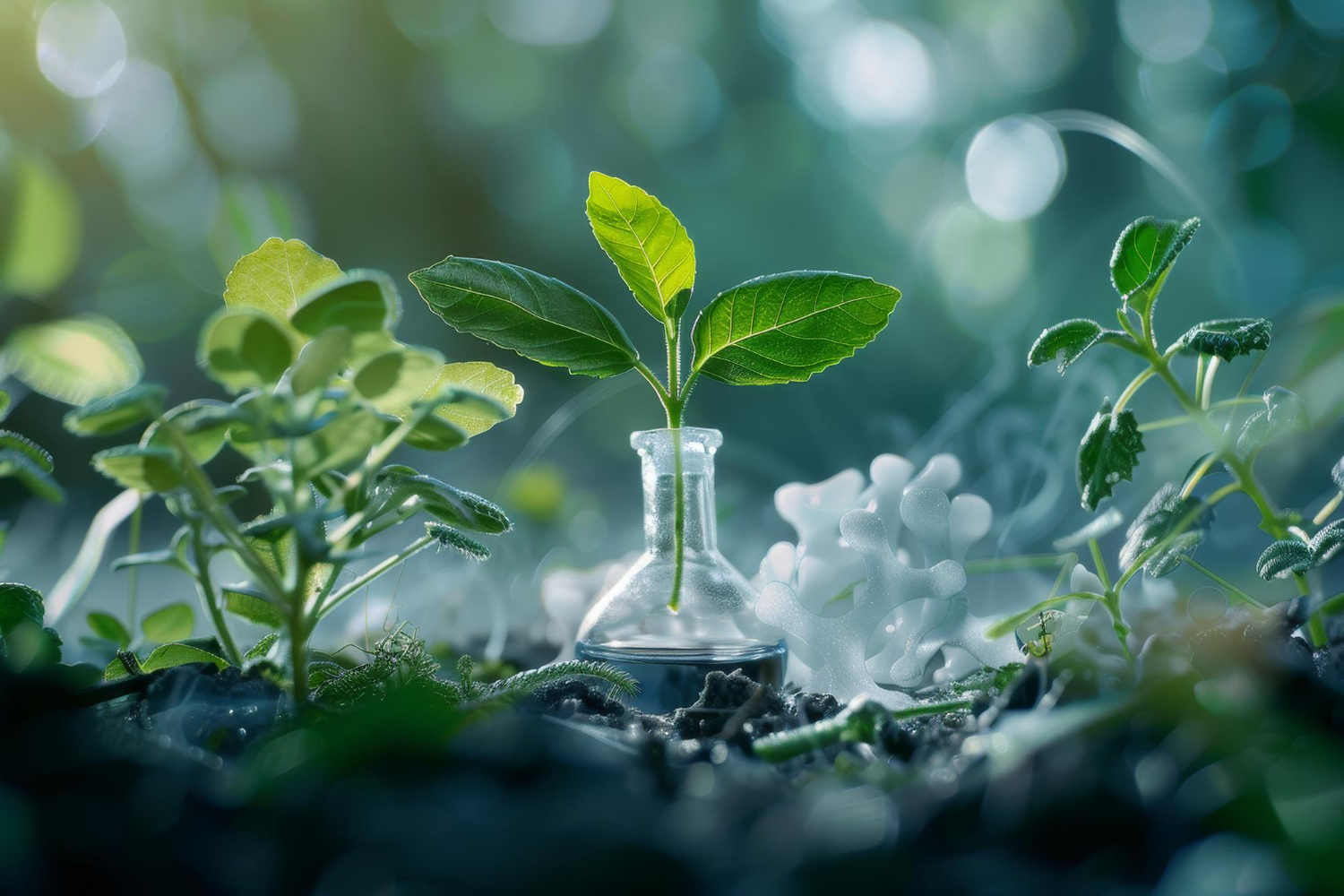
The European Commission has adopted a Strategic Framework for a Competitive and Sustainable EU Bioeconomy, signalling a major step forward in Europe’s transition to a circular, low-carbon and regenerative economic model. The strategy - published on 27 November 2025 - sets out how renewable biological resources and bio-based solutions can be harnessed to reduce dependence on fossil imports, support rural economies and foster innovation across multiple sectors.
At its core, the strategy aims to strengthen the EU’s industrial and scientific base, boosting green growth and competitiveness while ensuring that biological resources are used in ways that support environmental sustainability. It outlines measures to scale up bio-based innovation, improve regulatory frameworks, and mobilise public and private investment to bring bio-based technologies from the lab to the market at scale.
Key priority areas include developing lead markets for sustainable bio-based materials and technologies, ensuring a secure and sustainable supply of biomass, and expanding innovation in sectors from bioplastics and construction materials to biomanufacturing and advanced fermentation. Officials emphasise that building robust domestic value chains for bio-based products will help create jobs, strengthen supply-chain resilience and boost Europe’s strategic autonomy.
The strategy also reinforces circularity principles by promoting the use of secondary biomass - organic residues and by-products - and supporting investments in resource-efficient systems that help reduce waste, cut emissions and preserve ecosystems. By aligning bioeconomy policy with broader climate and biodiversity goals, the framework seeks to ensure that economic growth goes hand-in-hand with environmental protection and long-term sustainability.
An EU bioeconomy framework accelerates industrial substitution toward bio-based materials, and it opens investment opportunities across biotech, agriculture, forestry and materials companies positioned to serve that demand. Our circular-economy and nature-based-solutions teams help clients evaluate bioeconomy positioning and disclosure alignment.
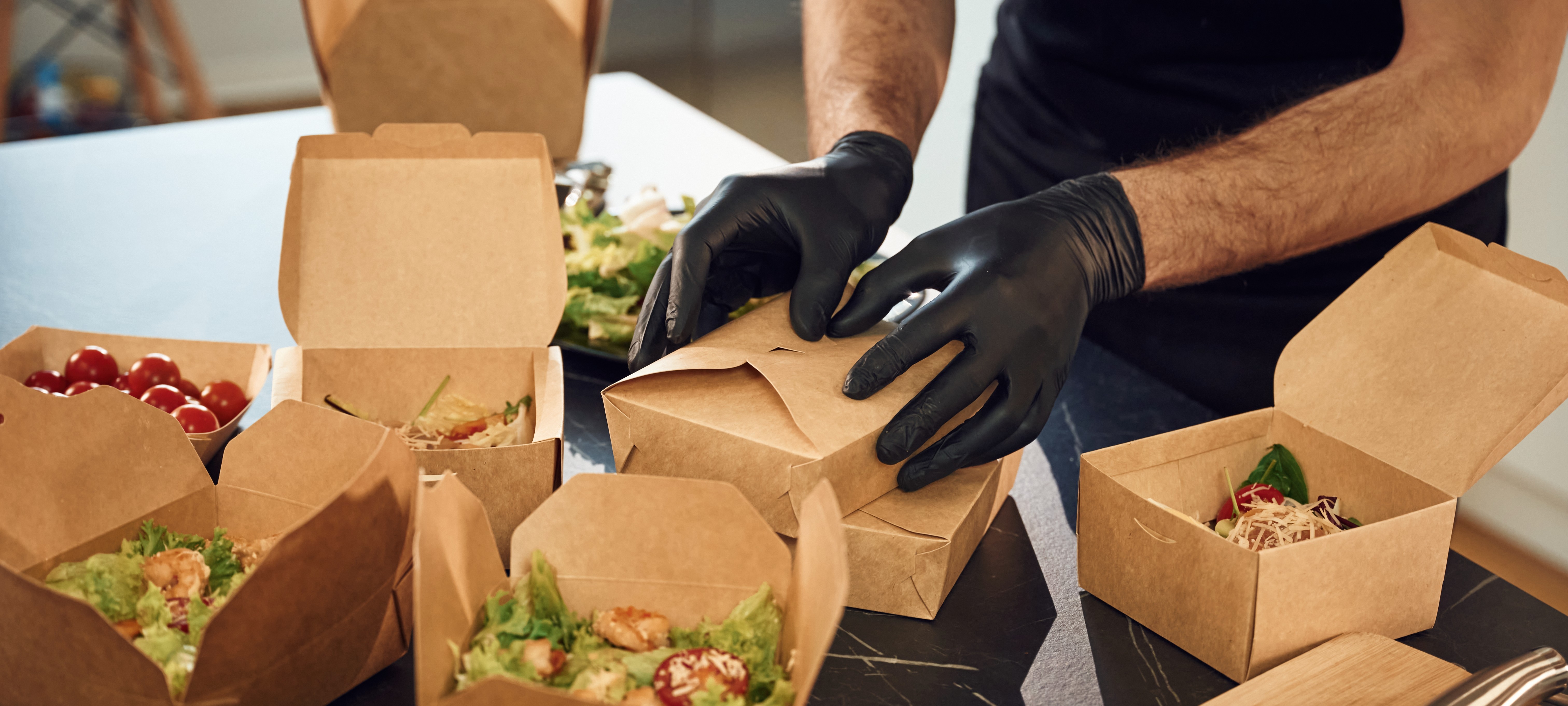
• 𝘛𝘩𝘦 𝘜𝘈𝘌 𝘍𝘰𝘰𝘥 𝘉𝘢𝘯𝘬 𝘢𝘯𝘥 𝘋𝘶𝘣𝘢𝘪’𝘴 𝘊𝘰𝘮𝘮𝘶𝘯𝘪𝘵𝘺 𝘋𝘦𝘷𝘦𝘭𝘰𝘱𝘮𝘦𝘯𝘵 𝘈𝘶𝘵𝘩𝘰𝘳𝘪𝘵𝘺 (𝘊𝘋𝘈) 𝘩𝘢𝘷𝘦 𝘴𝘪𝘨𝘯𝘦𝘥 𝘢𝘯 𝘢𝘨𝘳𝘦𝘦𝘮𝘦𝘯𝘵 𝘵𝘰 𝘤𝘰𝘭𝘭𝘦𝘤𝘵 𝘢𝘯𝘥 𝘳𝘦𝘥𝘪𝘴𝘵𝘳𝘪𝘣𝘶𝘵𝘦 𝘴𝘶𝘳𝘱𝘭𝘶𝘴 𝘧𝘰𝘰𝘥 𝘧𝘳𝘰𝘮 𝘸𝘦𝘥𝘥𝘪𝘯𝘨𝘴 𝘢𝘯𝘥 𝘦𝘷𝘦𝘯𝘵𝘴. • 𝘛𝘩𝘦 𝘪𝘯𝘪𝘵𝘪𝘢𝘵𝘪𝘷𝘦 𝘸𝘪𝘭𝘭 𝘧𝘰𝘭𝘭𝘰𝘸 𝘢𝘱𝘱𝘳𝘰𝘷𝘦𝘥…
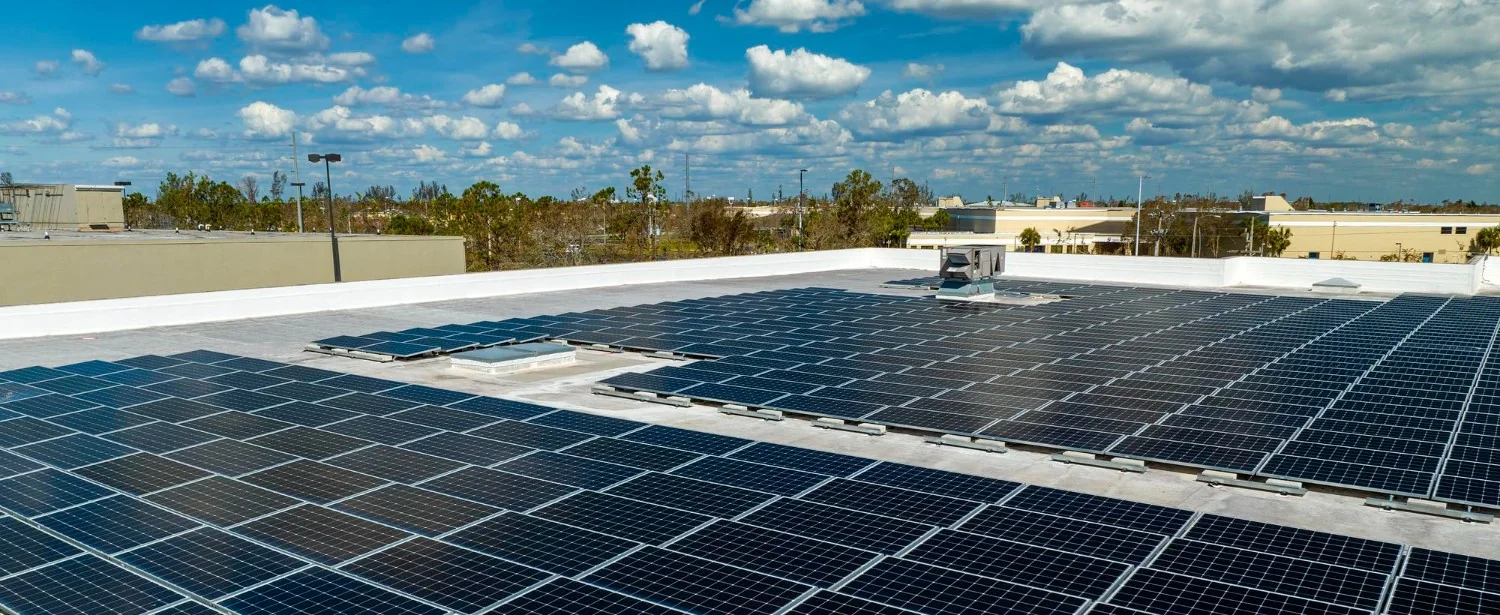
<ul><li><i>India’s rooftop solar capacity reached 30.7 GW in July 2026, increasing the need for better grid management and flexibility.</i></li><li><i>Kerala and Maharashtra are exploring battery ener…
• 𝘛𝘩𝘦 𝘌𝘐𝘉 𝘎𝘳𝘰𝘶𝘱 𝘱𝘭𝘢𝘯𝘴 𝘵𝘰 𝘱𝘳𝘰𝘷𝘪𝘥𝘦 𝘢𝘵 𝘭𝘦𝘢𝘴𝘵 €30 𝘣𝘪𝘭𝘭𝘪𝘰𝘯 𝘧𝘰𝘳 𝘤𝘭𝘪𝘮𝘢𝘵𝘦 𝘢𝘥𝘢𝘱𝘵𝘢𝘵𝘪𝘰𝘯 𝘣𝘦𝘵𝘸𝘦𝘦𝘯 2026 𝘢𝘯𝘥 2030. • 𝘛𝘩𝘦 𝘯𝘦𝘸 𝘵𝘢𝘳𝘨𝘦𝘵 𝘥𝘰𝘶𝘣𝘭𝘦𝘴 𝘢𝘥𝘢𝘱𝘵𝘢𝘵𝘪𝘰𝘯 𝘧𝘪𝘯𝘢𝘯𝘤𝘪𝘯𝘨 𝘤𝘰𝘮𝘱𝘢𝘳𝘦𝘥 𝘸𝘪𝘵𝘩 𝘵𝘩𝘦 𝘱𝘳𝘦𝘷𝘪𝘰𝘶𝘴 𝘧𝘪𝘷𝘦-𝘺𝘦𝘢𝘳 𝘱𝘦𝘳𝘪𝘰𝘥. • 𝘍𝘶𝘯𝘥𝘪𝘯𝘨…