


09 July 2025
The European Commission has introduced a comprehensive proposal to streamline the EU’s sustainability taxonomy, aiming to significantly reduce the administrative burden on companies. This move, part of a broader “omnibus” package, is designed to simplify the reporting framework of the EU Taxonomy Regulation and make sustainable finance disclosures more accessible, particularly for small and mid-sized companies.
The EU Taxonomy, a classification system that defines which economic activities can be considered environmentally sustainable, has faced criticism from businesses for being overly complex and difficult to implement.
In response, the Commission’s new proposal seeks to introduce more user-friendly reporting templates, reduce the level of detail required in company disclosures, and align the taxonomy more closely with the reporting obligations under the Corporate Sustainability Reporting Directive (CSRD).
One of the key features of the proposal is the introduction of simplified disclosure requirements for companies with limited exposure to taxonomy-eligible activities.
Additionally, the revised rules aim to eliminate overlapping or redundant reporting elements and provide greater clarity on interpretation, particularly for non-financial undertakings.
The Commission expects these reforms to enhance usability while maintaining the taxonomy’s integrity and its role in directing capital towards genuinely sustainable activities.
If approved by the European Parliament and Council, the changes would take effect in January 2026, giving companies time to adapt to the new framework. The simplification initiative reflects the EU’s growing recognition of the need to balance robust sustainability standards with practical implementation, and it is expected to boost engagement and compliance across a wider range of businesses.
Taxonomy simplification cuts some of the reporting weight but preserves the substantive alignment work - and it's the moment for issuers to rebuild reporting workflows around the revised structure rather than patch the old one. Our ESG-strategy and responsible-investment teams have been helping clients redesign Taxonomy reporting so it survives the next recalibration too.

• 𝘛𝘩𝘦 𝘜𝘈𝘌 𝘍𝘰𝘰𝘥 𝘉𝘢𝘯𝘬 𝘢𝘯𝘥 𝘋𝘶𝘣𝘢𝘪’𝘴 𝘊𝘰𝘮𝘮𝘶𝘯𝘪𝘵𝘺 𝘋𝘦𝘷𝘦𝘭𝘰𝘱𝘮𝘦𝘯𝘵 𝘈𝘶𝘵𝘩𝘰𝘳𝘪𝘵𝘺 (𝘊𝘋𝘈) 𝘩𝘢𝘷𝘦 𝘴𝘪𝘨𝘯𝘦𝘥 𝘢𝘯 𝘢𝘨𝘳𝘦𝘦𝘮𝘦𝘯𝘵 𝘵𝘰 𝘤𝘰𝘭𝘭𝘦𝘤𝘵 𝘢𝘯𝘥 𝘳𝘦𝘥𝘪𝘴𝘵𝘳𝘪𝘣𝘶𝘵𝘦 𝘴𝘶𝘳𝘱𝘭𝘶𝘴 𝘧𝘰𝘰𝘥 𝘧𝘳𝘰𝘮 𝘸𝘦𝘥𝘥𝘪𝘯𝘨𝘴 𝘢𝘯𝘥 𝘦𝘷𝘦𝘯𝘵𝘴. • 𝘛𝘩𝘦 𝘪𝘯𝘪𝘵𝘪𝘢𝘵𝘪𝘷𝘦 𝘸𝘪𝘭𝘭 𝘧𝘰𝘭𝘭𝘰𝘸 𝘢𝘱𝘱𝘳𝘰𝘷𝘦𝘥…
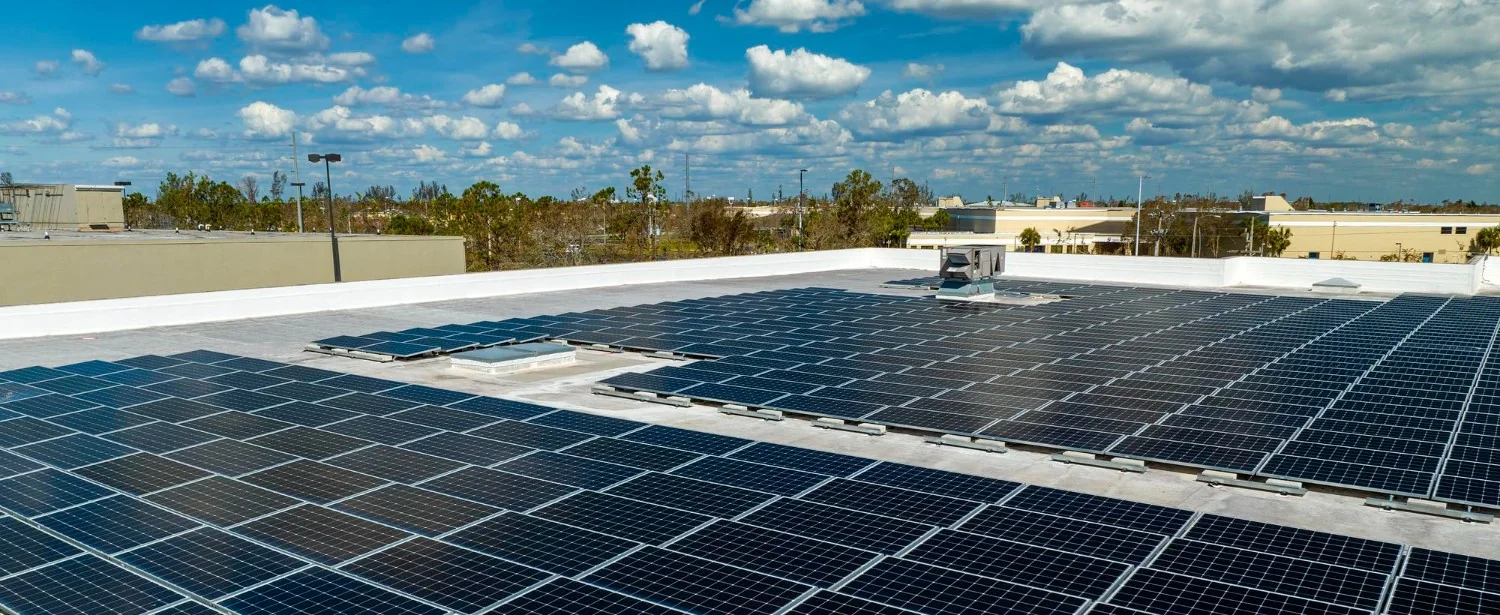
<ul><li><i>India’s rooftop solar capacity reached 30.7 GW in July 2026, increasing the need for better grid management and flexibility.</i></li><li><i>Kerala and Maharashtra are exploring battery ener…

• 𝘛𝘩𝘦 𝘌𝘐𝘉 𝘎𝘳𝘰𝘶𝘱 𝘱𝘭𝘢𝘯𝘴 𝘵𝘰 𝘱𝘳𝘰𝘷𝘪𝘥𝘦 𝘢𝘵 𝘭𝘦𝘢𝘴𝘵 €30 𝘣𝘪𝘭𝘭𝘪𝘰𝘯 𝘧𝘰𝘳 𝘤𝘭𝘪𝘮𝘢𝘵𝘦 𝘢𝘥𝘢𝘱𝘵𝘢𝘵𝘪𝘰𝘯 𝘣𝘦𝘵𝘸𝘦𝘦𝘯 2026 𝘢𝘯𝘥 2030. • 𝘛𝘩𝘦 𝘯𝘦𝘸 𝘵𝘢𝘳𝘨𝘦𝘵 𝘥𝘰𝘶𝘣𝘭𝘦𝘴 𝘢𝘥𝘢𝘱𝘵𝘢𝘵𝘪𝘰𝘯 𝘧𝘪𝘯𝘢𝘯𝘤𝘪𝘯𝘨 𝘤𝘰𝘮𝘱𝘢𝘳𝘦𝘥 𝘸𝘪𝘵𝘩 𝘵𝘩𝘦 𝘱𝘳𝘦𝘷𝘪𝘰𝘶𝘴 𝘧𝘪𝘷𝘦-𝘺𝘦𝘢𝘳 𝘱𝘦𝘳𝘪𝘰𝘥. • 𝘍𝘶𝘯𝘥𝘪𝘯𝘨…