

20 November 2025
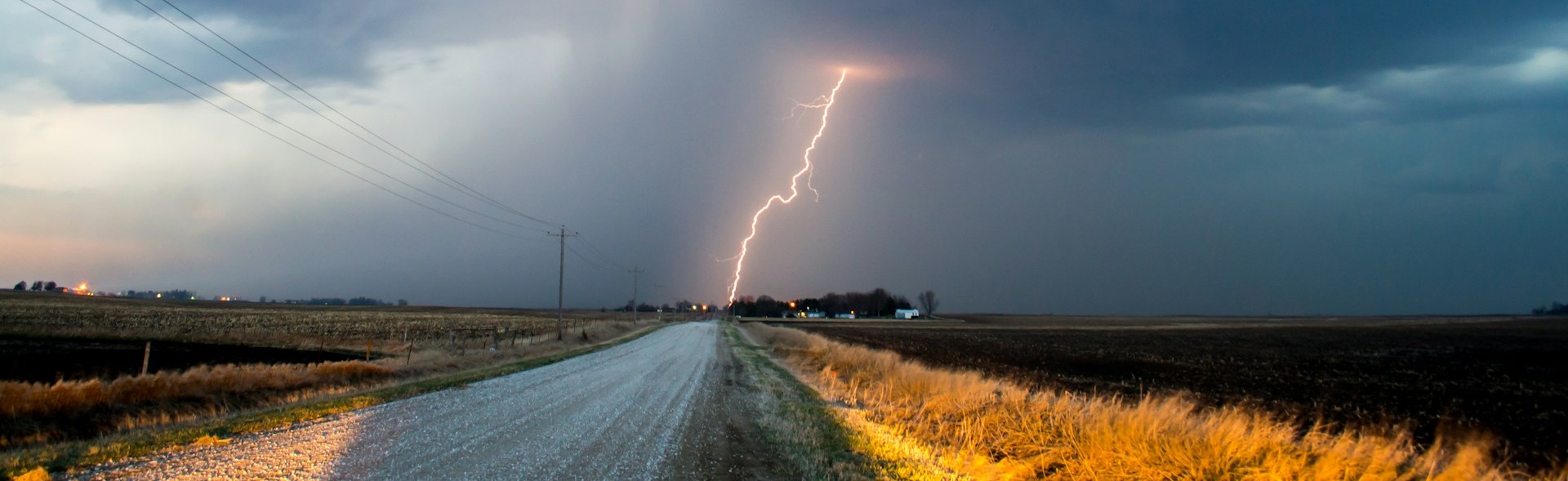
The European Union is launching a dedicated service under its Copernicus Climate Change programme to assess how much human-driven climate change is contributing to extreme weather events, such as heatwaves and heavy rainfall. The system will use attribution science: running simulations both with and without current greenhouse gas levels to estimate the influence of climate change on each event.
Funded with around €2.5 million over the next three years, the service will issue assessments twice a month, each within a week after an extreme event. For the first time, there will be a continuous “attribution office” dedicated to this work - rather than one-off studies.
Experts say the data generated will help governments craft more informed climate policies, allow financial institutions to quantify climate risks more precisely, and provide a robust evidential basis for legal claims tied to climate damage. Some scientists and legal practitioners have welcomed the move. They say improved attribution tools could make it easier for impacted communities to bring cases to court and for insurers to better assess exposure.
Climate attribution science has matured rapidly over the past decade, moving from academic exercise to actionable evidence. The Copernicus service - with continuous operation, twice-monthly assessments issued within a week of extreme events, and €2.5 million over three years - represents institutionalisation of what has previously been done through ad-hoc research consortia. This will materially change how climate risk is quantified in policy, finance and litigation.
For financial institutions and insurers, attribution data allows more precise pricing of climate-related physical risk in specific geographies and asset classes. For governments, it provides evidence for adaptation-priority setting and international climate-negotiation positioning.
For legal practitioners, quantified attribution supports climate-liability litigation - including damages claims against fossil-fuel companies and negligence cases against public authorities that failed to prepare for foreseeable climate risk.
For insurance companies, banks, corporates with material physical-climate exposure, and their legal advisors, Cognitud's climate action, impact assessment and sustainability due diligence teams help clients incorporate attribution science into risk assessment, structure adaptation-investment cases informed by attribution evidence, and prepare disclosures aligned with TCFD, ISSB S2 and jurisdictional climate-risk frameworks that increasingly demand quantified physical-risk analysis grounded in attribution methodology.

• 𝘛𝘩𝘦 𝘜𝘈𝘌 𝘍𝘰𝘰𝘥 𝘉𝘢𝘯𝘬 𝘢𝘯𝘥 𝘋𝘶𝘣𝘢𝘪’𝘴 𝘊𝘰𝘮𝘮𝘶𝘯𝘪𝘵𝘺 𝘋𝘦𝘷𝘦𝘭𝘰𝘱𝘮𝘦𝘯𝘵 𝘈𝘶𝘵𝘩𝘰𝘳𝘪𝘵𝘺 (𝘊𝘋𝘈) 𝘩𝘢𝘷𝘦 𝘴𝘪𝘨𝘯𝘦𝘥 𝘢𝘯 𝘢𝘨𝘳𝘦𝘦𝘮𝘦𝘯𝘵 𝘵𝘰 𝘤𝘰𝘭𝘭𝘦𝘤𝘵 𝘢𝘯𝘥 𝘳𝘦𝘥𝘪𝘴𝘵𝘳𝘪𝘣𝘶𝘵𝘦 𝘴𝘶𝘳𝘱𝘭𝘶𝘴 𝘧𝘰𝘰𝘥 𝘧𝘳𝘰𝘮 𝘸𝘦𝘥𝘥𝘪𝘯𝘨𝘴 𝘢𝘯𝘥 𝘦𝘷𝘦𝘯𝘵𝘴. • 𝘛𝘩𝘦 𝘪𝘯𝘪𝘵𝘪𝘢𝘵𝘪𝘷𝘦 𝘸𝘪𝘭𝘭 𝘧𝘰𝘭𝘭𝘰𝘸 𝘢𝘱𝘱𝘳𝘰𝘷𝘦𝘥…
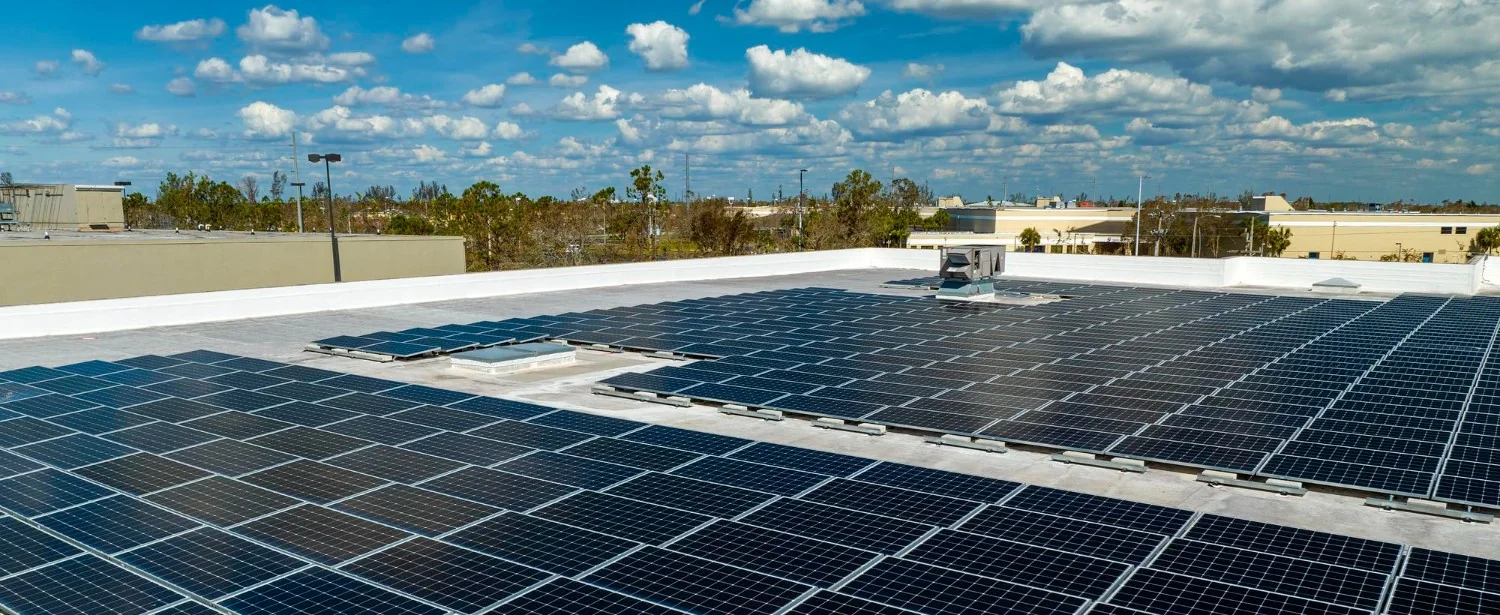
<ul><li><i>India’s rooftop solar capacity reached 30.7 GW in July 2026, increasing the need for better grid management and flexibility.</i></li><li><i>Kerala and Maharashtra are exploring battery ener…
• 𝘛𝘩𝘦 𝘌𝘐𝘉 𝘎𝘳𝘰𝘶𝘱 𝘱𝘭𝘢𝘯𝘴 𝘵𝘰 𝘱𝘳𝘰𝘷𝘪𝘥𝘦 𝘢𝘵 𝘭𝘦𝘢𝘴𝘵 €30 𝘣𝘪𝘭𝘭𝘪𝘰𝘯 𝘧𝘰𝘳 𝘤𝘭𝘪𝘮𝘢𝘵𝘦 𝘢𝘥𝘢𝘱𝘵𝘢𝘵𝘪𝘰𝘯 𝘣𝘦𝘵𝘸𝘦𝘦𝘯 2026 𝘢𝘯𝘥 2030. • 𝘛𝘩𝘦 𝘯𝘦𝘸 𝘵𝘢𝘳𝘨𝘦𝘵 𝘥𝘰𝘶𝘣𝘭𝘦𝘴 𝘢𝘥𝘢𝘱𝘵𝘢𝘵𝘪𝘰𝘯 𝘧𝘪𝘯𝘢𝘯𝘤𝘪𝘯𝘨 𝘤𝘰𝘮𝘱𝘢𝘳𝘦𝘥 𝘸𝘪𝘵𝘩 𝘵𝘩𝘦 𝘱𝘳𝘦𝘷𝘪𝘰𝘶𝘴 𝘧𝘪𝘷𝘦-𝘺𝘦𝘢𝘳 𝘱𝘦𝘳𝘪𝘰𝘥. • 𝘍𝘶𝘯𝘥𝘪𝘯𝘨…