


02 February 2026
A prominent international recycling organisation has voiced strong opposition to potential European Union rules aimed at restricting exports of scrap aluminium from the bloc, arguing that the measures could backfire on recycling markets and broader circular economy objectives.
The Bureau of International Recycling (BIR) - representing dozens of national recycling associations - says the EU already generates more scrap aluminium than domestic industry can absorb, and that limiting exports could create an oversupply that depresses prices and harms the viability of recyclers.
The European Commission is considering such restrictions as part of broader efforts to secure raw materials for EU manufacturers and strengthen supply chains for key metals. Supporters of export curbs believe keeping scrap within the bloc could help reduce dependence on imported primary aluminium and bolster local processing capacity. However, recycling industry voices warn this approach could disrupt established international trade flows without delivering the intended sustainability outcomes.
Critics emphasise that aluminium scrap is a valuable resource with inherent climate benefits: recycling it requires significantly less energy and emits fewer greenhouse gases than producing new aluminium from bauxite. Restricting exports, they argue, could reduce incentives for efficient recycling, lower overall recycling rates and ultimately undermine circular economy goals that seek to keep materials in productive use for as long as possible.
The debate is unfolding as the European Commission prepares more detailed proposals, expected later in 2026. The outcome could influence not only how metal waste is managed within the EU but also broader discussions about balancing industrial policy, circularity and trade in a sustainable raw materials strategy.
Scrap-aluminium export controls sit at the intersection of circular-economy retention and trade-flexibility for downstream users - both of which affect embedded-emissions credibility for CBAM-adjacent supply chains. Our circular-economy and supply-chain-and-operations teams help clients evaluate what these controls mean for sourcing strategy and CBAM-adjacent disclosure.

• 𝘛𝘩𝘦 𝘜𝘈𝘌 𝘍𝘰𝘰𝘥 𝘉𝘢𝘯𝘬 𝘢𝘯𝘥 𝘋𝘶𝘣𝘢𝘪’𝘴 𝘊𝘰𝘮𝘮𝘶𝘯𝘪𝘵𝘺 𝘋𝘦𝘷𝘦𝘭𝘰𝘱𝘮𝘦𝘯𝘵 𝘈𝘶𝘵𝘩𝘰𝘳𝘪𝘵𝘺 (𝘊𝘋𝘈) 𝘩𝘢𝘷𝘦 𝘴𝘪𝘨𝘯𝘦𝘥 𝘢𝘯 𝘢𝘨𝘳𝘦𝘦𝘮𝘦𝘯𝘵 𝘵𝘰 𝘤𝘰𝘭𝘭𝘦𝘤𝘵 𝘢𝘯𝘥 𝘳𝘦𝘥𝘪𝘴𝘵𝘳𝘪𝘣𝘶𝘵𝘦 𝘴𝘶𝘳𝘱𝘭𝘶𝘴 𝘧𝘰𝘰𝘥 𝘧𝘳𝘰𝘮 𝘸𝘦𝘥𝘥𝘪𝘯𝘨𝘴 𝘢𝘯𝘥 𝘦𝘷𝘦𝘯𝘵𝘴. • 𝘛𝘩𝘦 𝘪𝘯𝘪𝘵𝘪𝘢𝘵𝘪𝘷𝘦 𝘸𝘪𝘭𝘭 𝘧𝘰𝘭𝘭𝘰𝘸 𝘢𝘱𝘱𝘳𝘰𝘷𝘦𝘥…
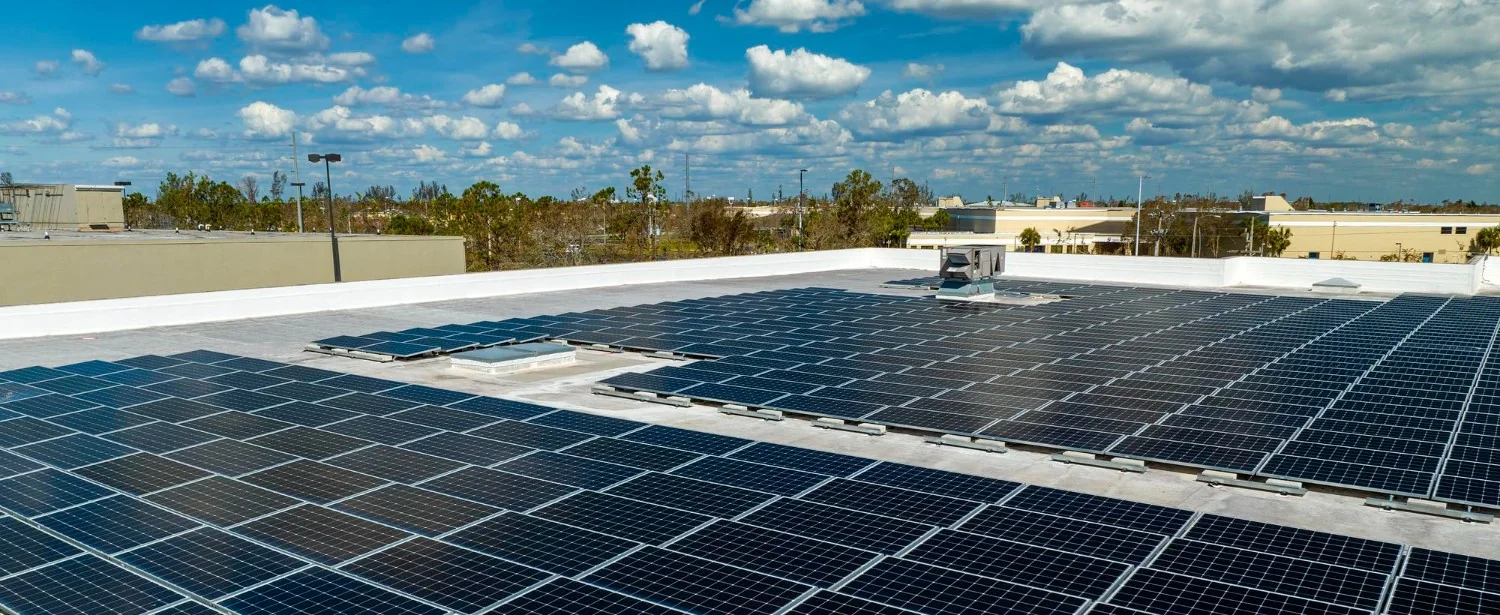
<ul><li><i>India’s rooftop solar capacity reached 30.7 GW in July 2026, increasing the need for better grid management and flexibility.</i></li><li><i>Kerala and Maharashtra are exploring battery ener…

• 𝘛𝘩𝘦 𝘌𝘐𝘉 𝘎𝘳𝘰𝘶𝘱 𝘱𝘭𝘢𝘯𝘴 𝘵𝘰 𝘱𝘳𝘰𝘷𝘪𝘥𝘦 𝘢𝘵 𝘭𝘦𝘢𝘴𝘵 €30 𝘣𝘪𝘭𝘭𝘪𝘰𝘯 𝘧𝘰𝘳 𝘤𝘭𝘪𝘮𝘢𝘵𝘦 𝘢𝘥𝘢𝘱𝘵𝘢𝘵𝘪𝘰𝘯 𝘣𝘦𝘵𝘸𝘦𝘦𝘯 2026 𝘢𝘯𝘥 2030. • 𝘛𝘩𝘦 𝘯𝘦𝘸 𝘵𝘢𝘳𝘨𝘦𝘵 𝘥𝘰𝘶𝘣𝘭𝘦𝘴 𝘢𝘥𝘢𝘱𝘵𝘢𝘵𝘪𝘰𝘯 𝘧𝘪𝘯𝘢𝘯𝘤𝘪𝘯𝘨 𝘤𝘰𝘮𝘱𝘢𝘳𝘦𝘥 𝘸𝘪𝘵𝘩 𝘵𝘩𝘦 𝘱𝘳𝘦𝘷𝘪𝘰𝘶𝘴 𝘧𝘪𝘷𝘦-𝘺𝘦𝘢𝘳 𝘱𝘦𝘳𝘪𝘰𝘥. • 𝘍𝘶𝘯𝘥𝘪𝘯𝘨…