


11 November 2025
The European Commission (EC) and member states of the European Union (EU) have reached a provisional agreement to overhaul the bloc’s large-scale farming subsidy scheme, easing environment-focused requirements as part of efforts to reduce regulatory burden on the agricultural sector. Under the deal, smaller farms will be exempt from certain baseline “green” conditions tied to subsidy payments, and the amount recipients may receive will be increased.
The EC estimates the reform could save farmers up to EUR 1.6 billion annually, while annual on-site inspections may be reduced to one per farm. The changes form part of a wider simplification package aimed at lowering red-tape and boosting competitiveness in the European agricultural sector.
The agreement now awaits formal approval by the European Parliament and the Council of the European Union.
The Common Agricultural Policy simplification is emblematic of a wider debate playing out across European sustainability policy: how to sustain ambitious environmental objectives while responding to industry concerns about administrative burden and competitiveness.
Exempting smaller farms from certain conditionalities and reducing inspections eases immediate pressure but re-opens the question of how the biodiversity, soil-health and water-quality outcomes envisaged in the earlier reform will be delivered.
The move sits alongside the omnibus package of simplifications affecting CSRD, CS3D and other flagship EU sustainability regulations. For agri-food supply chains, the operational reality is more nuanced than headline reforms suggest - private buyer standards, deforestation regulations and export-market requirements often set the effective sustainability floor regardless of the CAP baseline.
For food, beverage, agricultural input and downstream retail clients, Cognitud's sustainability due diligence, nature-based solutions and supply chain and operations teams help clients maintain rigour in supplier engagement, traceability and biodiversity reporting even where regulatory conditionalities have loosened - protecting long-term access to buyers, lenders and jurisdictions that continue to raise the sustainability bar.

• 𝘛𝘩𝘦 𝘜𝘈𝘌 𝘍𝘰𝘰𝘥 𝘉𝘢𝘯𝘬 𝘢𝘯𝘥 𝘋𝘶𝘣𝘢𝘪’𝘴 𝘊𝘰𝘮𝘮𝘶𝘯𝘪𝘵𝘺 𝘋𝘦𝘷𝘦𝘭𝘰𝘱𝘮𝘦𝘯𝘵 𝘈𝘶𝘵𝘩𝘰𝘳𝘪𝘵𝘺 (𝘊𝘋𝘈) 𝘩𝘢𝘷𝘦 𝘴𝘪𝘨𝘯𝘦𝘥 𝘢𝘯 𝘢𝘨𝘳𝘦𝘦𝘮𝘦𝘯𝘵 𝘵𝘰 𝘤𝘰𝘭𝘭𝘦𝘤𝘵 𝘢𝘯𝘥 𝘳𝘦𝘥𝘪𝘴𝘵𝘳𝘪𝘣𝘶𝘵𝘦 𝘴𝘶𝘳𝘱𝘭𝘶𝘴 𝘧𝘰𝘰𝘥 𝘧𝘳𝘰𝘮 𝘸𝘦𝘥𝘥𝘪𝘯𝘨𝘴 𝘢𝘯𝘥 𝘦𝘷𝘦𝘯𝘵𝘴. • 𝘛𝘩𝘦 𝘪𝘯𝘪𝘵𝘪𝘢𝘵𝘪𝘷𝘦 𝘸𝘪𝘭𝘭 𝘧𝘰𝘭𝘭𝘰𝘸 𝘢𝘱𝘱𝘳𝘰𝘷𝘦𝘥…
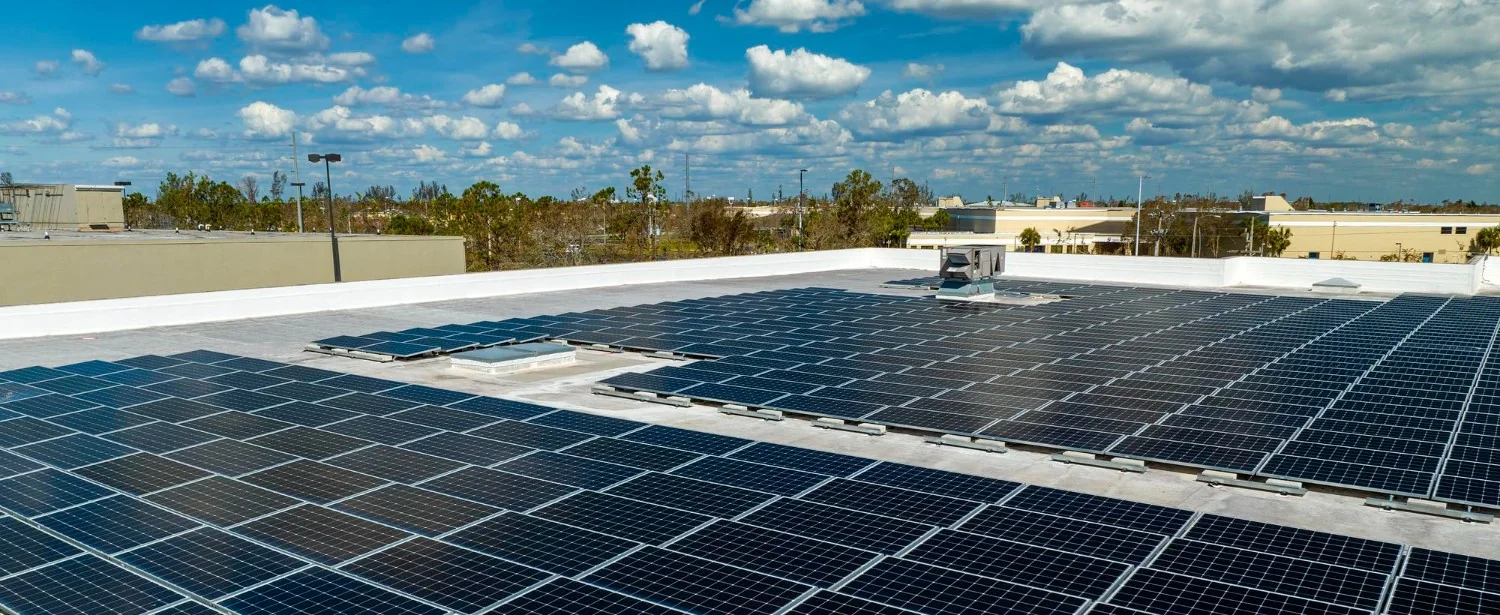
<ul><li><i>India’s rooftop solar capacity reached 30.7 GW in July 2026, increasing the need for better grid management and flexibility.</i></li><li><i>Kerala and Maharashtra are exploring battery ener…

• 𝘛𝘩𝘦 𝘌𝘐𝘉 𝘎𝘳𝘰𝘶𝘱 𝘱𝘭𝘢𝘯𝘴 𝘵𝘰 𝘱𝘳𝘰𝘷𝘪𝘥𝘦 𝘢𝘵 𝘭𝘦𝘢𝘴𝘵 €30 𝘣𝘪𝘭𝘭𝘪𝘰𝘯 𝘧𝘰𝘳 𝘤𝘭𝘪𝘮𝘢𝘵𝘦 𝘢𝘥𝘢𝘱𝘵𝘢𝘵𝘪𝘰𝘯 𝘣𝘦𝘵𝘸𝘦𝘦𝘯 2026 𝘢𝘯𝘥 2030. • 𝘛𝘩𝘦 𝘯𝘦𝘸 𝘵𝘢𝘳𝘨𝘦𝘵 𝘥𝘰𝘶𝘣𝘭𝘦𝘴 𝘢𝘥𝘢𝘱𝘵𝘢𝘵𝘪𝘰𝘯 𝘧𝘪𝘯𝘢𝘯𝘤𝘪𝘯𝘨 𝘤𝘰𝘮𝘱𝘢𝘳𝘦𝘥 𝘸𝘪𝘵𝘩 𝘵𝘩𝘦 𝘱𝘳𝘦𝘷𝘪𝘰𝘶𝘴 𝘧𝘪𝘷𝘦-𝘺𝘦𝘢𝘳 𝘱𝘦𝘳𝘪𝘰𝘥. • 𝘍𝘶𝘯𝘥𝘪𝘯𝘨…