

.jpg)
04 November 2025
The European Union is headed into a decisive week as climate ministers prepare for last-minute negotiations on Tuesday to set a new climate target ahead of the COP30 summit in Brazil. With major economies like China, Britain, and Australia already submitting updated national climate goals, the EU risks arriving in Belem empty-handed-an outcome officials warn could severely undermine the bloc’s credibility as a global climate leader.
The urgency is heightened by a turbulent geopolitical backdrop and growing resistance within the EU, as industries and governments push back against ambitious climate measures they fear could clash with defence spending, industrial competitiveness and rising energy costs.
The stalemate follows a failed attempt in September to agree on a 2040 emissions-reduction target, forcing ministers into eleventh-hour diplomacy just days before European Commission President Ursula von der Leyen attends COP30 on November 6.
EU climate chief Wopke Hoekstra acknowledged the challenge, noting that “the geopolitical landscape has rarely been more complex,” but insisted the bloc remains committed to multilateralism and the Paris Agreement.
At the heart of Tuesday’s talks is the European Commission’s proposal to cut net greenhouse gas emissions by 90% by 2040, relative to 1990 levels-an essential milestone toward achieving net-zero emissions by 2050. But EU countries remain deeply divided.
Italy, Poland and the Czech Republic argue that a 90% reduction risks crippling industries already burdened by high energy prices, competition from cheaper Chinese imports, and new U.S. tariffs.
Meanwhile, climate-ambitious countries such as the Netherlands, Spain and Sweden say escalating extreme weather events and the race to lead in green manufacturing demand stronger action, not retreat.
To break the deadlock, ministers will consider a compromise draft that includes a key French demand: the ability to weaken the 2040 target in the future if European forests-critical natural carbon sinks-fail to absorb expected levels of CO₂. Brussels has also signalled willingness to adjust other policies to win support, including potential carbon-market price controls and revisiting the 2035 phaseout of combustion-engine cars, following pressure from Germany.
Another contentious point is how much of the 90% reduction countries can achieve using foreign carbon credits. France has pushed for a higher limit of 5%, above the Commission’s original 3% proposal, while other governments argue funds should strengthen domestic industry rather than flow to overseas carbon projects.
At least 15 of the EU’s 27 member states must support the target for it to pass. Diplomats say the vote is expected to be extremely tight, with the outcome potentially hinging on one or two countries shifting positions at the last moment.
If ministers succeed in agreeing on the 2040 target, it will form the basis of a 2035 emissions pledge-precisely what the U.N. has requested countries submit ahead of COP30. Failure would leave the EU politically exposed at a high-stakes global climate summit where leadership-and resolve-are under intense scrutiny.
A finalised EU 2040 goal shapes what corporates operating in the bloc should plan for on capex and disclosure - and even the shape of the negotiating fight matters, because it signals where flexibility exists. Our climate-action and ESG-strategy teams help clients align transition plans with the 2040 trajectory as it takes shape.

• 𝘛𝘩𝘦 𝘜𝘈𝘌 𝘍𝘰𝘰𝘥 𝘉𝘢𝘯𝘬 𝘢𝘯𝘥 𝘋𝘶𝘣𝘢𝘪’𝘴 𝘊𝘰𝘮𝘮𝘶𝘯𝘪𝘵𝘺 𝘋𝘦𝘷𝘦𝘭𝘰𝘱𝘮𝘦𝘯𝘵 𝘈𝘶𝘵𝘩𝘰𝘳𝘪𝘵𝘺 (𝘊𝘋𝘈) 𝘩𝘢𝘷𝘦 𝘴𝘪𝘨𝘯𝘦𝘥 𝘢𝘯 𝘢𝘨𝘳𝘦𝘦𝘮𝘦𝘯𝘵 𝘵𝘰 𝘤𝘰𝘭𝘭𝘦𝘤𝘵 𝘢𝘯𝘥 𝘳𝘦𝘥𝘪𝘴𝘵𝘳𝘪𝘣𝘶𝘵𝘦 𝘴𝘶𝘳𝘱𝘭𝘶𝘴 𝘧𝘰𝘰𝘥 𝘧𝘳𝘰𝘮 𝘸𝘦𝘥𝘥𝘪𝘯𝘨𝘴 𝘢𝘯𝘥 𝘦𝘷𝘦𝘯𝘵𝘴. • 𝘛𝘩𝘦 𝘪𝘯𝘪𝘵𝘪𝘢𝘵𝘪𝘷𝘦 𝘸𝘪𝘭𝘭 𝘧𝘰𝘭𝘭𝘰𝘸 𝘢𝘱𝘱𝘳𝘰𝘷𝘦𝘥…
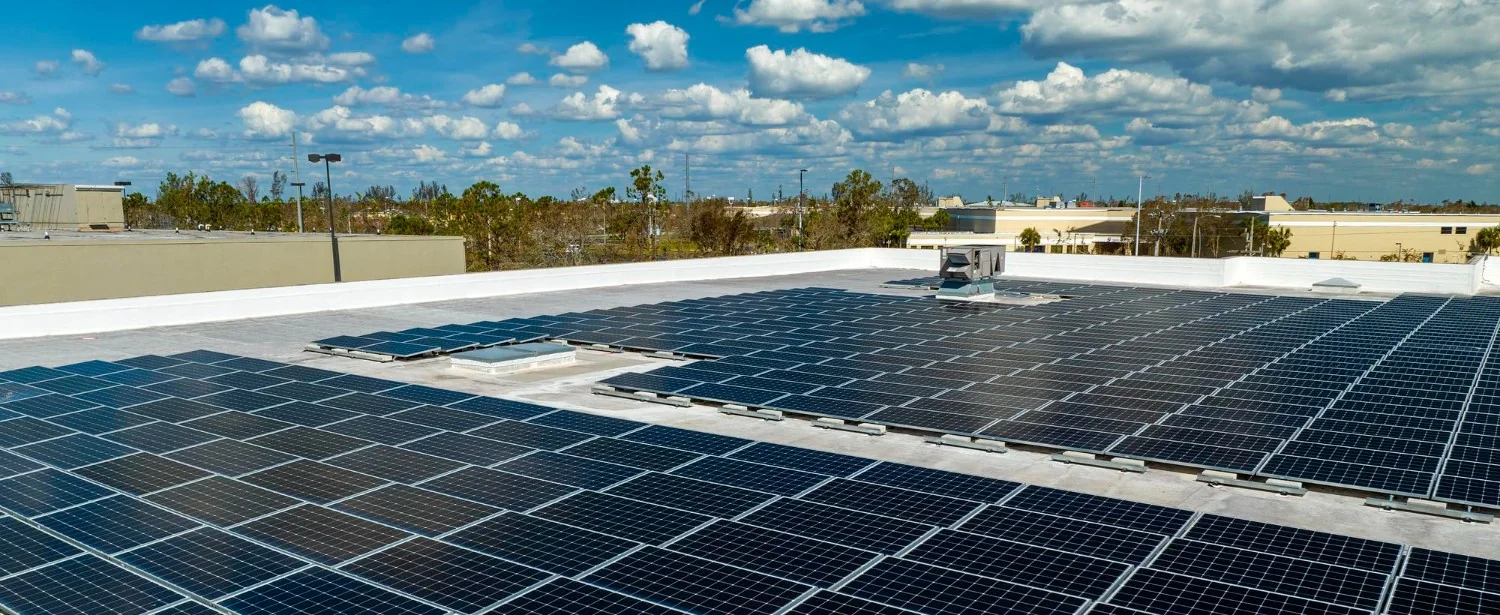
<ul><li><i>India’s rooftop solar capacity reached 30.7 GW in July 2026, increasing the need for better grid management and flexibility.</i></li><li><i>Kerala and Maharashtra are exploring battery ener…
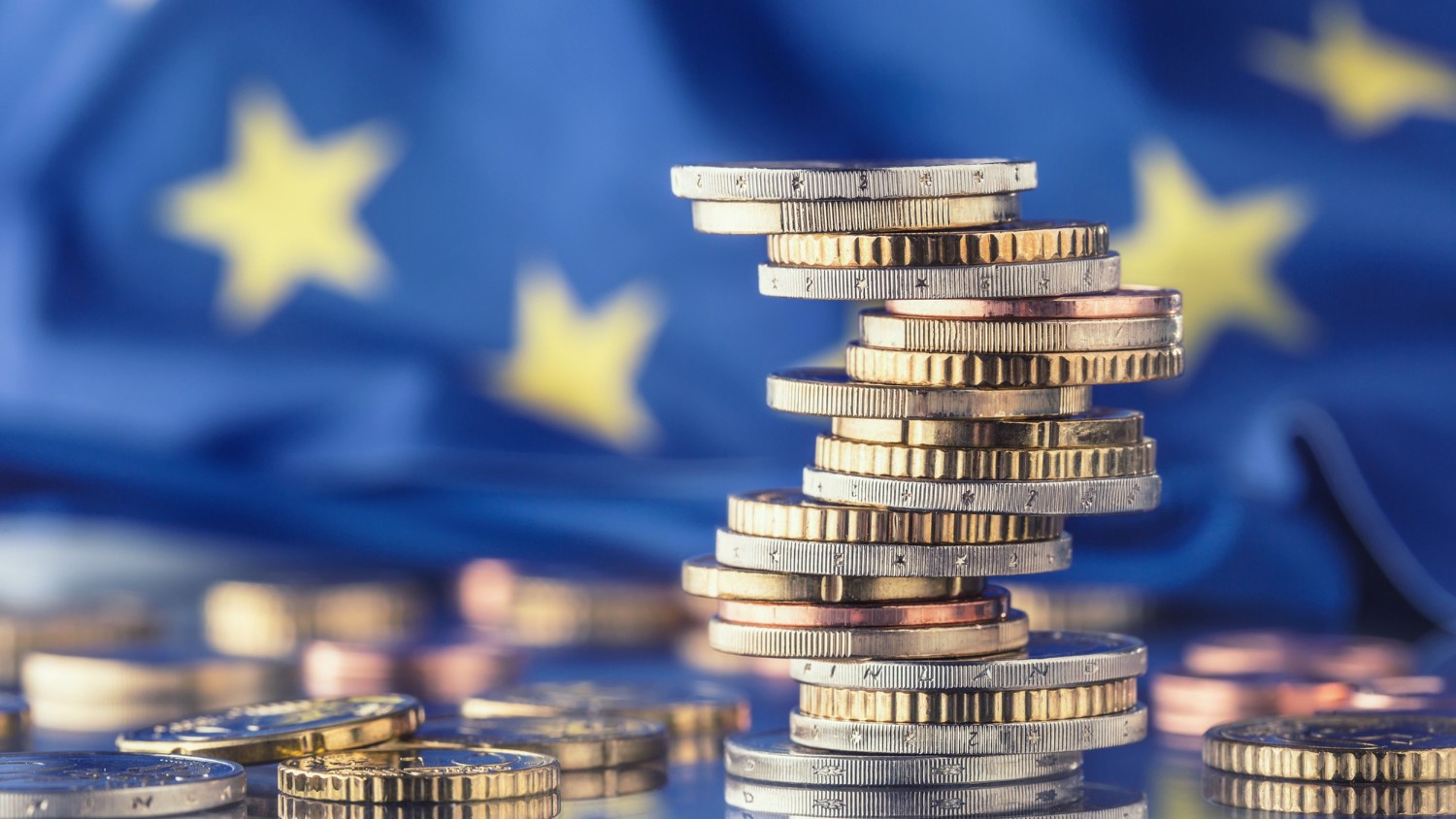
• 𝘛𝘩𝘦 𝘌𝘐𝘉 𝘎𝘳𝘰𝘶𝘱 𝘱𝘭𝘢𝘯𝘴 𝘵𝘰 𝘱𝘳𝘰𝘷𝘪𝘥𝘦 𝘢𝘵 𝘭𝘦𝘢𝘴𝘵 €30 𝘣𝘪𝘭𝘭𝘪𝘰𝘯 𝘧𝘰𝘳 𝘤𝘭𝘪𝘮𝘢𝘵𝘦 𝘢𝘥𝘢𝘱𝘵𝘢𝘵𝘪𝘰𝘯 𝘣𝘦𝘵𝘸𝘦𝘦𝘯 2026 𝘢𝘯𝘥 2030. • 𝘛𝘩𝘦 𝘯𝘦𝘸 𝘵𝘢𝘳𝘨𝘦𝘵 𝘥𝘰𝘶𝘣𝘭𝘦𝘴 𝘢𝘥𝘢𝘱𝘵𝘢𝘵𝘪𝘰𝘯 𝘧𝘪𝘯𝘢𝘯𝘤𝘪𝘯𝘨 𝘤𝘰𝘮𝘱𝘢𝘳𝘦𝘥 𝘸𝘪𝘵𝘩 𝘵𝘩𝘦 𝘱𝘳𝘦𝘷𝘪𝘰𝘶𝘴 𝘧𝘪𝘷𝘦-𝘺𝘦𝘢𝘳 𝘱𝘦𝘳𝘪𝘰𝘥. • 𝘍𝘶𝘯𝘥𝘪𝘯𝘨…