

12 February 2026
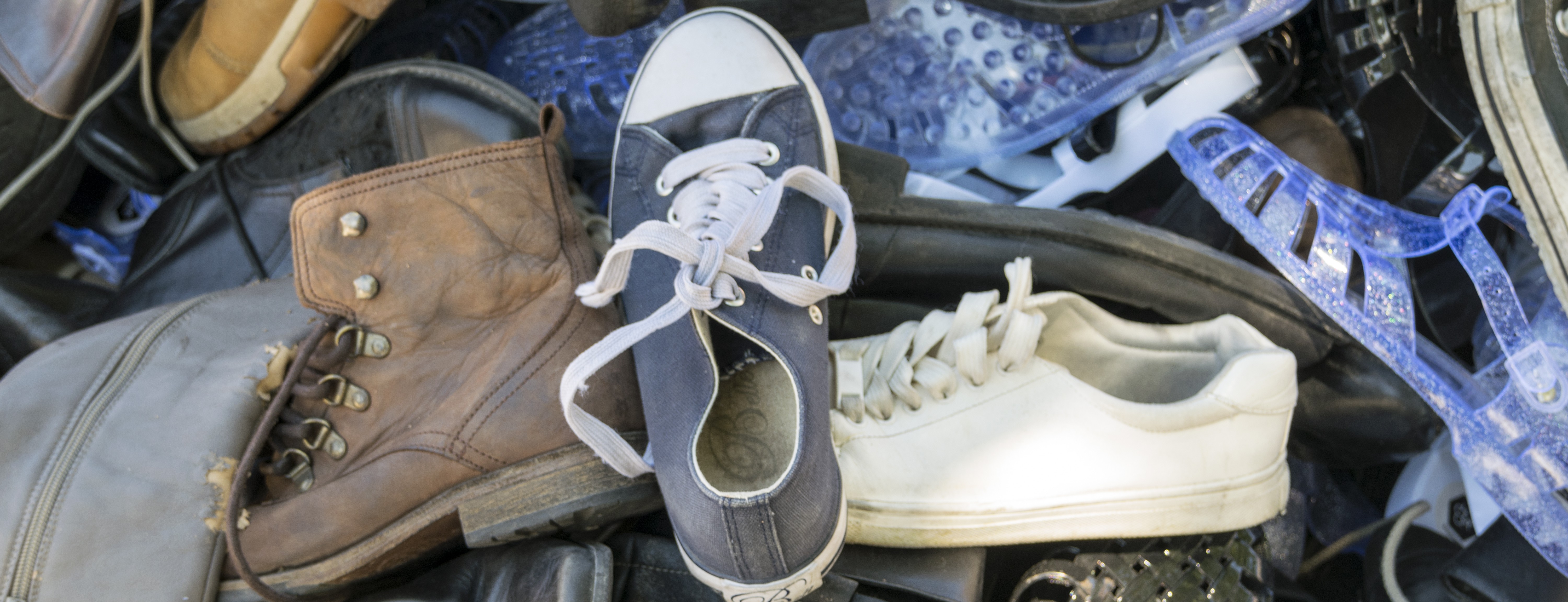
The European Commission adopted a set of strengthened measures under the Ecodesign for Sustainable Products Regulation (ESPR) to curb wasteful practices in the textile and footwear sectors. The new rules aim to ban the destruction of unsold apparel, clothing accessories, and footwear, addressing growing environmental concerns about fast fashion and industrial waste within the European Union.
According to EU estimates, roughly 4–9% of unsold textiles in Europe are destroyed every year before being worn, contributing around 5.6 million tonnes of CO₂ emissions annually - a volume nearly equivalent to the total net emissions of Sweden in 2021. Under the new regulation, companies will be required to disclose information on discarded unsold products, increasing transparency and accountability in supply chains.
The rules include two key components: a Delegated Act and an Implementing Act. From July 19, 2026, the destruction ban - along with detailed derogations for safety or damaged goods - will apply to large companies, while medium-sized firms are expected to comply by 2030. Starting February 2027, businesses will have to report data on volumes of unsold goods they discard in a standardised format to help regulators track compliance and progress toward circularity goals.
Jessika Roswall, European Commissioner for Environment, Water Resilience and a Competitive Circular Economy, said the rules will encourage companies to adopt circular practices, reduce environmental harm, and create a more level playing field for sustainable business models - a strategic shift away from traditional “take-make-dispose” production patterns in the fashion and footwear industries.
Bans on unsold-inventory destruction are moving textile and footwear brands toward serious circular commitments - resale, recycling and take-back at real operational scale. Our circular-economy and supply-chain-and-operations teams help fashion, retail and consumer-goods clients evaluate what these bans mean for supply-chain design and disclosure narrative.

• 𝘛𝘩𝘦 𝘜𝘈𝘌 𝘍𝘰𝘰𝘥 𝘉𝘢𝘯𝘬 𝘢𝘯𝘥 𝘋𝘶𝘣𝘢𝘪’𝘴 𝘊𝘰𝘮𝘮𝘶𝘯𝘪𝘵𝘺 𝘋𝘦𝘷𝘦𝘭𝘰𝘱𝘮𝘦𝘯𝘵 𝘈𝘶𝘵𝘩𝘰𝘳𝘪𝘵𝘺 (𝘊𝘋𝘈) 𝘩𝘢𝘷𝘦 𝘴𝘪𝘨𝘯𝘦𝘥 𝘢𝘯 𝘢𝘨𝘳𝘦𝘦𝘮𝘦𝘯𝘵 𝘵𝘰 𝘤𝘰𝘭𝘭𝘦𝘤𝘵 𝘢𝘯𝘥 𝘳𝘦𝘥𝘪𝘴𝘵𝘳𝘪𝘣𝘶𝘵𝘦 𝘴𝘶𝘳𝘱𝘭𝘶𝘴 𝘧𝘰𝘰𝘥 𝘧𝘳𝘰𝘮 𝘸𝘦𝘥𝘥𝘪𝘯𝘨𝘴 𝘢𝘯𝘥 𝘦𝘷𝘦𝘯𝘵𝘴. • 𝘛𝘩𝘦 𝘪𝘯𝘪𝘵𝘪𝘢𝘵𝘪𝘷𝘦 𝘸𝘪𝘭𝘭 𝘧𝘰𝘭𝘭𝘰𝘸 𝘢𝘱𝘱𝘳𝘰𝘷𝘦𝘥…
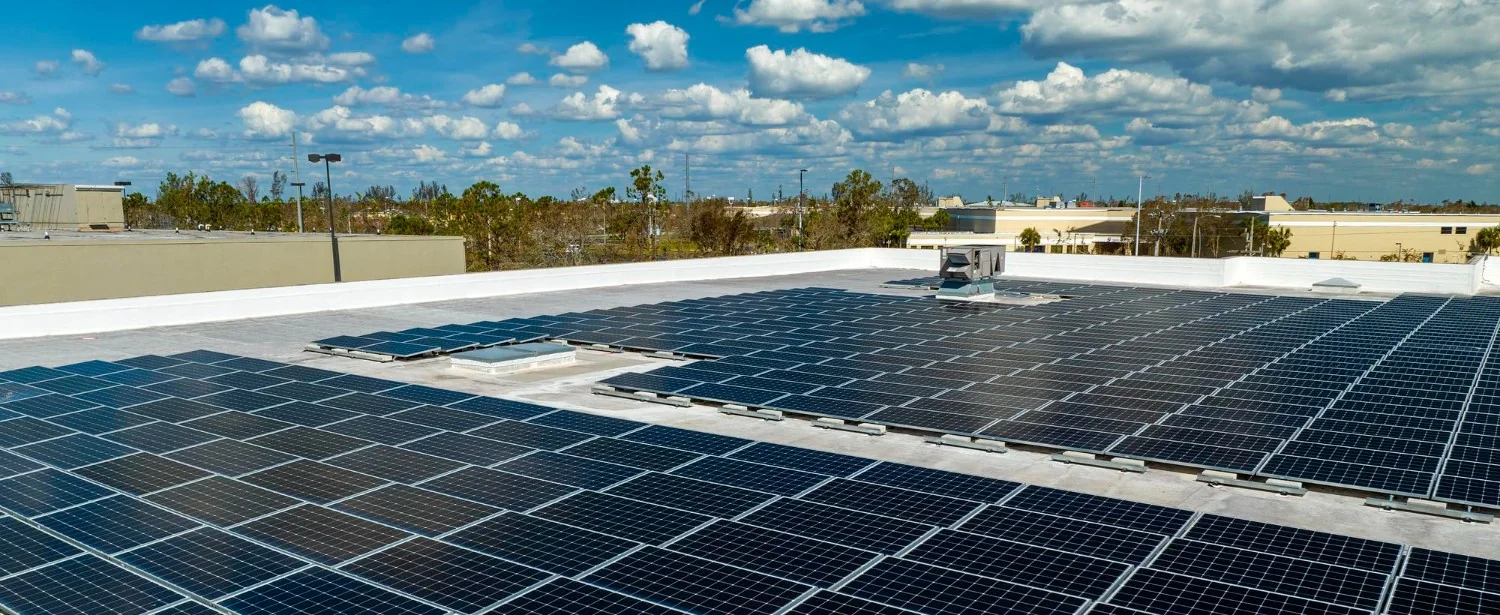
<ul><li><i>India’s rooftop solar capacity reached 30.7 GW in July 2026, increasing the need for better grid management and flexibility.</i></li><li><i>Kerala and Maharashtra are exploring battery ener…

• 𝘛𝘩𝘦 𝘌𝘐𝘉 𝘎𝘳𝘰𝘶𝘱 𝘱𝘭𝘢𝘯𝘴 𝘵𝘰 𝘱𝘳𝘰𝘷𝘪𝘥𝘦 𝘢𝘵 𝘭𝘦𝘢𝘴𝘵 €30 𝘣𝘪𝘭𝘭𝘪𝘰𝘯 𝘧𝘰𝘳 𝘤𝘭𝘪𝘮𝘢𝘵𝘦 𝘢𝘥𝘢𝘱𝘵𝘢𝘵𝘪𝘰𝘯 𝘣𝘦𝘵𝘸𝘦𝘦𝘯 2026 𝘢𝘯𝘥 2030. • 𝘛𝘩𝘦 𝘯𝘦𝘸 𝘵𝘢𝘳𝘨𝘦𝘵 𝘥𝘰𝘶𝘣𝘭𝘦𝘴 𝘢𝘥𝘢𝘱𝘵𝘢𝘵𝘪𝘰𝘯 𝘧𝘪𝘯𝘢𝘯𝘤𝘪𝘯𝘨 𝘤𝘰𝘮𝘱𝘢𝘳𝘦𝘥 𝘸𝘪𝘵𝘩 𝘵𝘩𝘦 𝘱𝘳𝘦𝘷𝘪𝘰𝘶𝘴 𝘧𝘪𝘷𝘦-𝘺𝘦𝘢𝘳 𝘱𝘦𝘳𝘪𝘰𝘥. • 𝘍𝘶𝘯𝘥𝘪𝘯𝘨…