


14 July 2025
The European Union made significant progress toward setting its 2040 climate goals, with the majority of member states supporting a deal by September 2025. The proposed target-an ambitious 90% reduction in greenhouse gas emissions from 1990 levels-was put forward by the European Commission to keep the bloc on track for climate neutrality by 2050.
Denmark, holding the EU’s rotating presidency, led the negotiations and expressed strong intent to finalize an agreement at the upcoming September ministerial summit. Danish Climate Minister Lars Aagaard emphasized the urgency, calling it a “small window” to unite the EU around new goals following high-stakes discussions in Aalborg.
However, some countries-including Poland, Hungary, and the Czech Republic-voiced opposition to the accelerated timeline. They argued that the proposed target could have sweeping economic consequences and required more deliberation. Concerns were also raised about the lack of clarity around how the proposed flexibilities, including the use of international carbon credits, would be implemented.
As climate change continues to make Europe the world’s fastest-warming continent, the pressure has mounted to set an ambitious yet practical path forward. The EU faces a mid-September deadline to submit its 2035 climate target to the United Nations, which is expected to be based on the outcome of the 2040 target negotiations.
Denmark-led progress toward 90 percent 2040 reduction target combined with September deadline for 2035 UN submission demonstrates the tight interconnection between EU internal negotiation and international climate diplomacy. Missing the deadline would signal EU climate-leadership retreat at a moment when other jurisdictions are watching closely.
Poland, Hungary and Czech opposition combined with concerns about international-credit-flexibility implementation captures the persistent tension in EU climate architecture - between highest-ambition member states pushing accelerated targets and coal-heavy or heavy-industry member states citing economic-adjustment concerns. Well-designed transition mechanisms (Just Transition Fund, sectoral flexibilities) can bridge these gaps.
For corporates operating across the EU, financial institutions with EU portfolio exposure and their sustainability advisors, Cognitud's climate action, ESG strategy and transformation and responsible investment teams help clients evaluate exposure under the 2040 target framework, structure long-term decarbonisation strategies aligned with EU trajectory, and prepare disclosures aligned with CSRD, ISSB and jurisdictional 2035/2040 climate-target frameworks.

• 𝘛𝘩𝘦 𝘜𝘈𝘌 𝘍𝘰𝘰𝘥 𝘉𝘢𝘯𝘬 𝘢𝘯𝘥 𝘋𝘶𝘣𝘢𝘪’𝘴 𝘊𝘰𝘮𝘮𝘶𝘯𝘪𝘵𝘺 𝘋𝘦𝘷𝘦𝘭𝘰𝘱𝘮𝘦𝘯𝘵 𝘈𝘶𝘵𝘩𝘰𝘳𝘪𝘵𝘺 (𝘊𝘋𝘈) 𝘩𝘢𝘷𝘦 𝘴𝘪𝘨𝘯𝘦𝘥 𝘢𝘯 𝘢𝘨𝘳𝘦𝘦𝘮𝘦𝘯𝘵 𝘵𝘰 𝘤𝘰𝘭𝘭𝘦𝘤𝘵 𝘢𝘯𝘥 𝘳𝘦𝘥𝘪𝘴𝘵𝘳𝘪𝘣𝘶𝘵𝘦 𝘴𝘶𝘳𝘱𝘭𝘶𝘴 𝘧𝘰𝘰𝘥 𝘧𝘳𝘰𝘮 𝘸𝘦𝘥𝘥𝘪𝘯𝘨𝘴 𝘢𝘯𝘥 𝘦𝘷𝘦𝘯𝘵𝘴. • 𝘛𝘩𝘦 𝘪𝘯𝘪𝘵𝘪𝘢𝘵𝘪𝘷𝘦 𝘸𝘪𝘭𝘭 𝘧𝘰𝘭𝘭𝘰𝘸 𝘢𝘱𝘱𝘳𝘰𝘷𝘦𝘥…
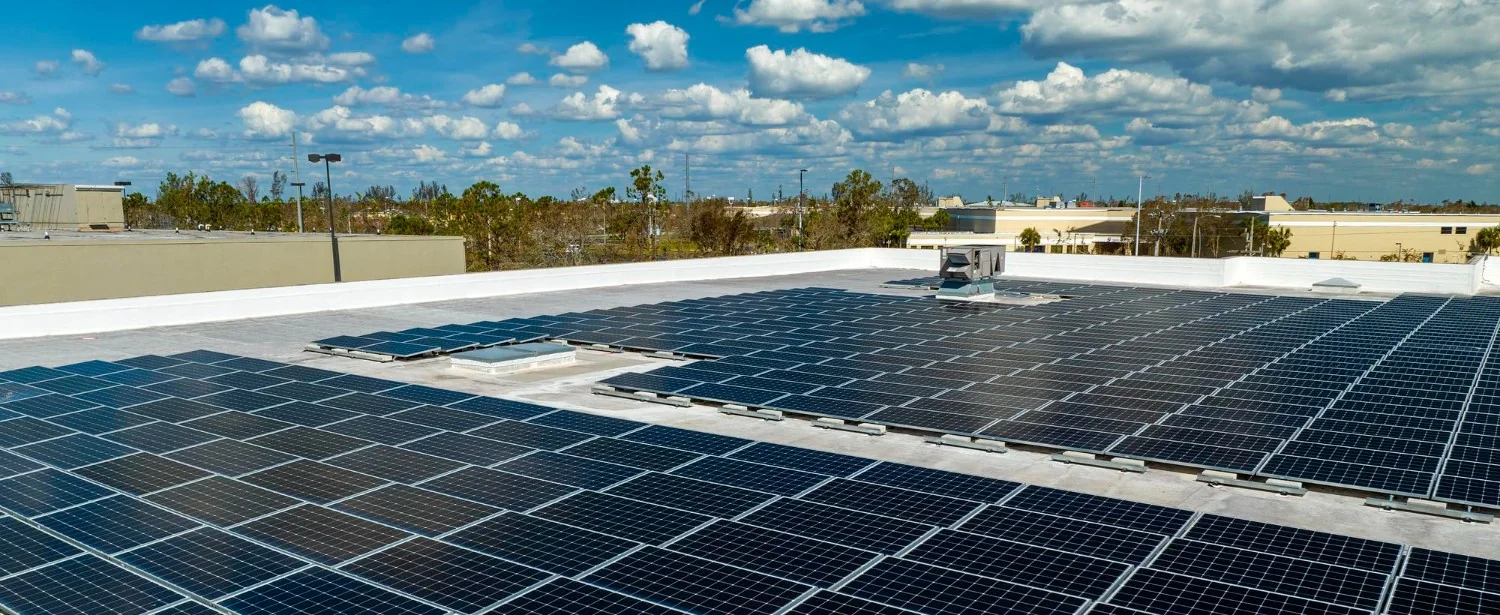
<ul><li><i>India’s rooftop solar capacity reached 30.7 GW in July 2026, increasing the need for better grid management and flexibility.</i></li><li><i>Kerala and Maharashtra are exploring battery ener…
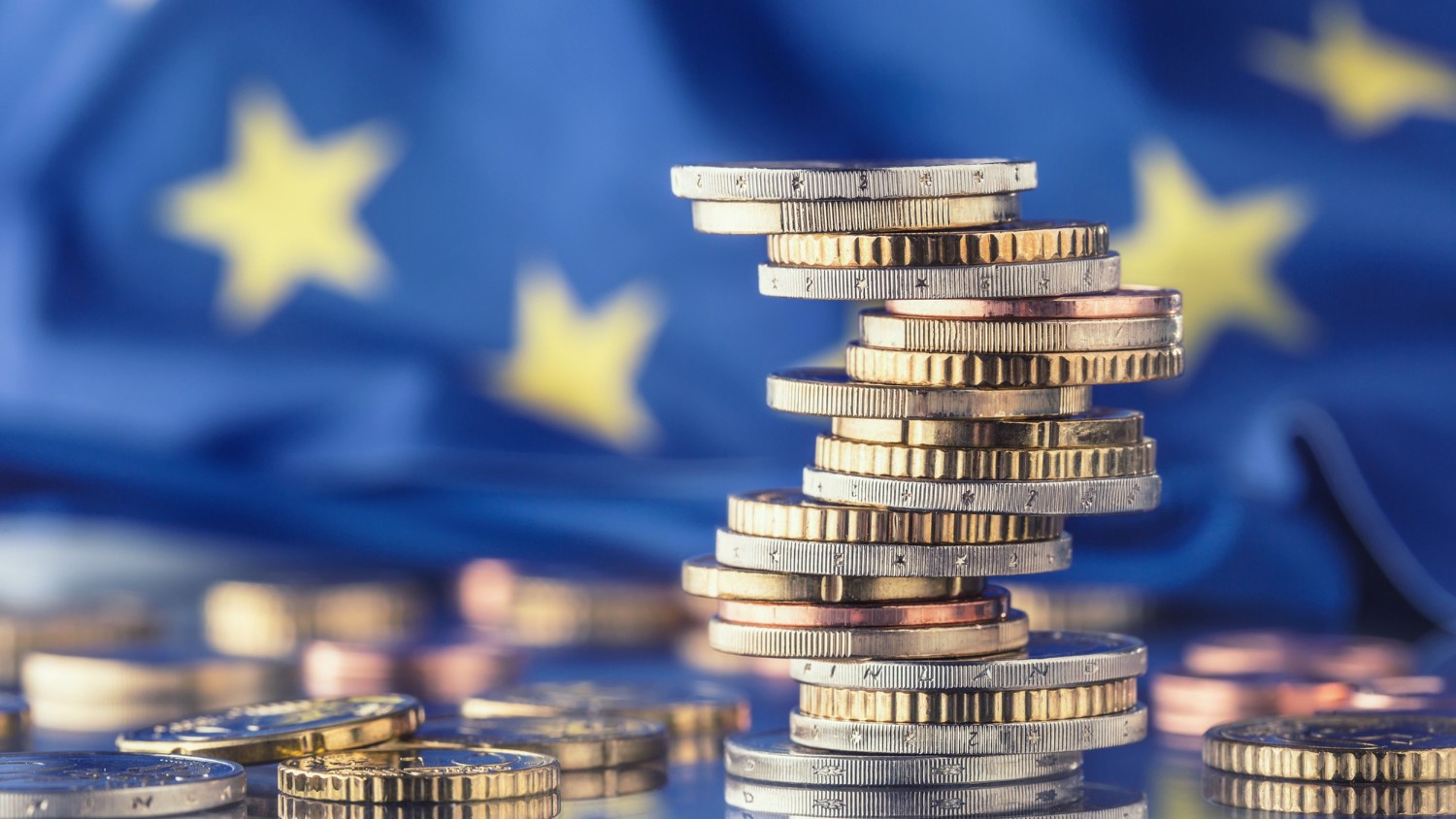
• 𝘛𝘩𝘦 𝘌𝘐𝘉 𝘎𝘳𝘰𝘶𝘱 𝘱𝘭𝘢𝘯𝘴 𝘵𝘰 𝘱𝘳𝘰𝘷𝘪𝘥𝘦 𝘢𝘵 𝘭𝘦𝘢𝘴𝘵 €30 𝘣𝘪𝘭𝘭𝘪𝘰𝘯 𝘧𝘰𝘳 𝘤𝘭𝘪𝘮𝘢𝘵𝘦 𝘢𝘥𝘢𝘱𝘵𝘢𝘵𝘪𝘰𝘯 𝘣𝘦𝘵𝘸𝘦𝘦𝘯 2026 𝘢𝘯𝘥 2030. • 𝘛𝘩𝘦 𝘯𝘦𝘸 𝘵𝘢𝘳𝘨𝘦𝘵 𝘥𝘰𝘶𝘣𝘭𝘦𝘴 𝘢𝘥𝘢𝘱𝘵𝘢𝘵𝘪𝘰𝘯 𝘧𝘪𝘯𝘢𝘯𝘤𝘪𝘯𝘨 𝘤𝘰𝘮𝘱𝘢𝘳𝘦𝘥 𝘸𝘪𝘵𝘩 𝘵𝘩𝘦 𝘱𝘳𝘦𝘷𝘪𝘰𝘶𝘴 𝘧𝘪𝘷𝘦-𝘺𝘦𝘢𝘳 𝘱𝘦𝘳𝘪𝘰𝘥. • 𝘍𝘶𝘯𝘥𝘪𝘯𝘨…