


08 March 2026
European Union lawmakers have agreed to restrict the use of meat-related labels for plant-based food products, a move that has sparked criticism from climate advocates and food policy experts. The measure forms part of revisions to the EU’s agricultural market rules aimed at strengthening farmers’ position in the food supply chain.
Under the agreement, vegetarian and vegan products will no longer be allowed to use certain meat-associated terms such as “steak,” “bacon,” or “ribs.” However, earlier proposals to ban more widely used labels like “veggie burger” or “vegan sausage” were ultimately dropped. Producers will be given a three-year transition period to adjust product branding once the rules are formally adopted.
Supporters of the measure say the restrictions are intended to protect traditional livestock products and prevent consumer confusion. Critics, however, argue that there is little evidence that shoppers are misled by plant-based labels, noting that familiar terminology often helps consumers understand what type of product they are buying.
Environmental groups have also warned that the policy could undermine efforts to encourage more sustainable diets. Plant-based foods generally have a significantly lower environmental footprint than animal products, and advocates say policymakers should focus on accelerating the transition to sustainable food systems rather than limiting how alternatives are marketed.
The label restriction on meat-associated terms for plant-based products (with three-year transition and dropped restrictions on established terms like "veggie burger") reflects the political tension between traditional-livestock protection and dietary-transition support. The compromise outcome preserves core plant-based product marketing while restricting specific terms.
The environmental-footprint framing is analytically important. Plant-based proteins typically carry substantially lower land-use, water-use and greenhouse-gas footprint than animal-based equivalents; policies that impede consumer information about plant-based alternatives work against food-system decarbonisation. Whether the three-year transition period allows market adaptation without undermining plant-based product growth remains to be seen.
For plant-based food producers, retailers, food-service operators and financial institutions with food-system portfolio exposure, Cognitud's ESG strategy and transformation, sustainability due diligence and market intelligence teams help clients evaluate exposure under revised labelling rules, structure product-and-marketing strategies aligned with three-year transition timeline, and prepare disclosures aligned with CSRD, ISSB and jurisdictional food-system frameworks.

• 𝘛𝘩𝘦 𝘜𝘈𝘌 𝘍𝘰𝘰𝘥 𝘉𝘢𝘯𝘬 𝘢𝘯𝘥 𝘋𝘶𝘣𝘢𝘪’𝘴 𝘊𝘰𝘮𝘮𝘶𝘯𝘪𝘵𝘺 𝘋𝘦𝘷𝘦𝘭𝘰𝘱𝘮𝘦𝘯𝘵 𝘈𝘶𝘵𝘩𝘰𝘳𝘪𝘵𝘺 (𝘊𝘋𝘈) 𝘩𝘢𝘷𝘦 𝘴𝘪𝘨𝘯𝘦𝘥 𝘢𝘯 𝘢𝘨𝘳𝘦𝘦𝘮𝘦𝘯𝘵 𝘵𝘰 𝘤𝘰𝘭𝘭𝘦𝘤𝘵 𝘢𝘯𝘥 𝘳𝘦𝘥𝘪𝘴𝘵𝘳𝘪𝘣𝘶𝘵𝘦 𝘴𝘶𝘳𝘱𝘭𝘶𝘴 𝘧𝘰𝘰𝘥 𝘧𝘳𝘰𝘮 𝘸𝘦𝘥𝘥𝘪𝘯𝘨𝘴 𝘢𝘯𝘥 𝘦𝘷𝘦𝘯𝘵𝘴. • 𝘛𝘩𝘦 𝘪𝘯𝘪𝘵𝘪𝘢𝘵𝘪𝘷𝘦 𝘸𝘪𝘭𝘭 𝘧𝘰𝘭𝘭𝘰𝘸 𝘢𝘱𝘱𝘳𝘰𝘷𝘦𝘥…
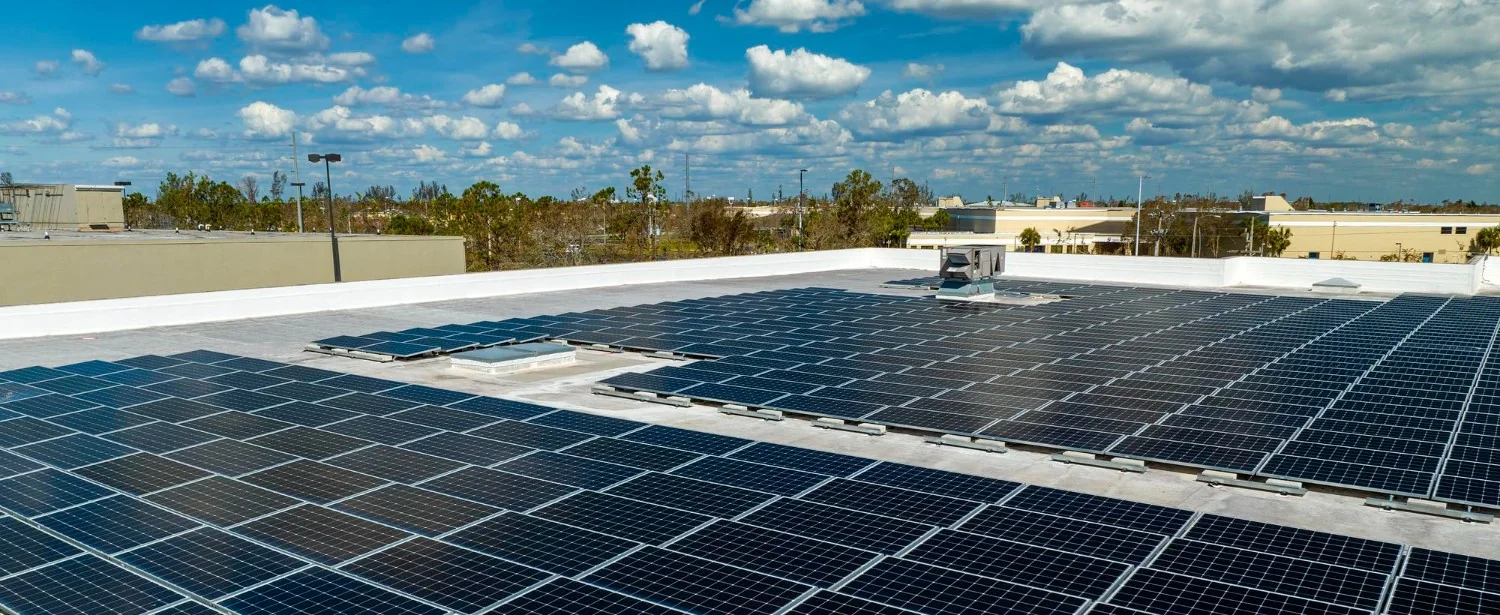
<ul><li><i>India’s rooftop solar capacity reached 30.7 GW in July 2026, increasing the need for better grid management and flexibility.</i></li><li><i>Kerala and Maharashtra are exploring battery ener…

• 𝘛𝘩𝘦 𝘌𝘐𝘉 𝘎𝘳𝘰𝘶𝘱 𝘱𝘭𝘢𝘯𝘴 𝘵𝘰 𝘱𝘳𝘰𝘷𝘪𝘥𝘦 𝘢𝘵 𝘭𝘦𝘢𝘴𝘵 €30 𝘣𝘪𝘭𝘭𝘪𝘰𝘯 𝘧𝘰𝘳 𝘤𝘭𝘪𝘮𝘢𝘵𝘦 𝘢𝘥𝘢𝘱𝘵𝘢𝘵𝘪𝘰𝘯 𝘣𝘦𝘵𝘸𝘦𝘦𝘯 2026 𝘢𝘯𝘥 2030. • 𝘛𝘩𝘦 𝘯𝘦𝘸 𝘵𝘢𝘳𝘨𝘦𝘵 𝘥𝘰𝘶𝘣𝘭𝘦𝘴 𝘢𝘥𝘢𝘱𝘵𝘢𝘵𝘪𝘰𝘯 𝘧𝘪𝘯𝘢𝘯𝘤𝘪𝘯𝘨 𝘤𝘰𝘮𝘱𝘢𝘳𝘦𝘥 𝘸𝘪𝘵𝘩 𝘵𝘩𝘦 𝘱𝘳𝘦𝘷𝘪𝘰𝘶𝘴 𝘧𝘪𝘷𝘦-𝘺𝘦𝘢𝘳 𝘱𝘦𝘳𝘪𝘰𝘥. • 𝘍𝘶𝘯𝘥𝘪𝘯𝘨…