


28 July 2026
The European Economic and Social Committee (EESC) has broadly backed the European Commission’s new livestock strategy while urging Brussels to provide stronger financial support to help farmers navigate the sector’s sustainability transition.
The committee is calling for a dedicated EU Livestock Fund outside the Common Agricultural Policy (CAP), arguing that simply exploring a future financial instrument will not provide the certainty needed for investment and transformation. It also recommends restoring the CAP budget to 0.5% of EU GDP, linking direct payments to inflation, and introducing mandatory origin labelling for animal products sold across the EU.
The EESC warned that reducing livestock production in Europe could shift output to regions with weaker environmental and animal welfare standards, potentially increasing global emissions. It therefore wants equivalent sustainability standards to become a requirement in future EU trade agreements.
Additional proposals include livestock research funding through the European Competitiveness Fund and Horizon Europe, an animal protein export strategy, and stronger backing for extensive, regenerative, and organic farming systems.
The committee argues that supporting livestock farmers is not only an agricultural priority but also critical to Europe’s food security, strategic autonomy, rural economies, and sustainability goals.
The EESC's push for dedicated EU Livestock Fund outside CAP, combined with CAP budget restoration to 0.5 percent GDP and mandatory origin labelling, reflects concerns that current EU-level support is insufficient for livestock-sector sustainability transformation. Livestock represents one of the more challenging agricultural-sustainability segments given emissions intensity and rural-economy dependence.
The trade-standards-equivalence recommendation addresses genuine risk of production displacement to jurisdictions with weaker sustainability standards. Reducing European production without equivalent import standards could increase global emissions net-net - the "carbon leakage" pattern that also affects industrial CBAM policy.
For livestock producers, food processors, retailers and financial institutions supporting European agricultural investment, Cognitud's sustainability due diligence, supply chain and operations and impact assessment teams help clients evaluate exposure to livestock-strategy implementation scenarios, structure supplier partnerships aligned with regenerative and organic frameworks, and prepare disclosures aligned with CSRD, SBTN and jurisdictional agricultural-sustainability frameworks.

• 𝘛𝘩𝘦 𝘜𝘈𝘌 𝘍𝘰𝘰𝘥 𝘉𝘢𝘯𝘬 𝘢𝘯𝘥 𝘋𝘶𝘣𝘢𝘪’𝘴 𝘊𝘰𝘮𝘮𝘶𝘯𝘪𝘵𝘺 𝘋𝘦𝘷𝘦𝘭𝘰𝘱𝘮𝘦𝘯𝘵 𝘈𝘶𝘵𝘩𝘰𝘳𝘪𝘵𝘺 (𝘊𝘋𝘈) 𝘩𝘢𝘷𝘦 𝘴𝘪𝘨𝘯𝘦𝘥 𝘢𝘯 𝘢𝘨𝘳𝘦𝘦𝘮𝘦𝘯𝘵 𝘵𝘰 𝘤𝘰𝘭𝘭𝘦𝘤𝘵 𝘢𝘯𝘥 𝘳𝘦𝘥𝘪𝘴𝘵𝘳𝘪𝘣𝘶𝘵𝘦 𝘴𝘶𝘳𝘱𝘭𝘶𝘴 𝘧𝘰𝘰𝘥 𝘧𝘳𝘰𝘮 𝘸𝘦𝘥𝘥𝘪𝘯𝘨𝘴 𝘢𝘯𝘥 𝘦𝘷𝘦𝘯𝘵𝘴. • 𝘛𝘩𝘦 𝘪𝘯𝘪𝘵𝘪𝘢𝘵𝘪𝘷𝘦 𝘸𝘪𝘭𝘭 𝘧𝘰𝘭𝘭𝘰𝘸 𝘢𝘱𝘱𝘳𝘰𝘷𝘦𝘥…
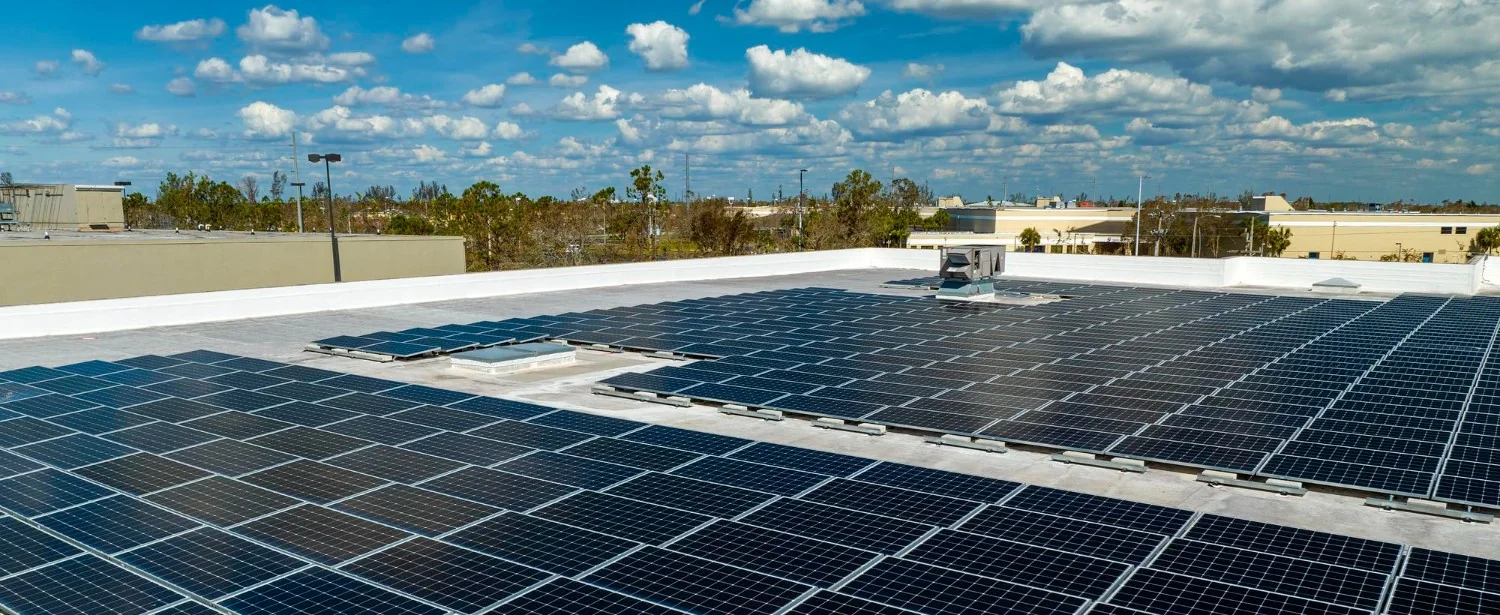
<ul><li><i>India’s rooftop solar capacity reached 30.7 GW in July 2026, increasing the need for better grid management and flexibility.</i></li><li><i>Kerala and Maharashtra are exploring battery ener…
• 𝘛𝘩𝘦 𝘌𝘐𝘉 𝘎𝘳𝘰𝘶𝘱 𝘱𝘭𝘢𝘯𝘴 𝘵𝘰 𝘱𝘳𝘰𝘷𝘪𝘥𝘦 𝘢𝘵 𝘭𝘦𝘢𝘴𝘵 €30 𝘣𝘪𝘭𝘭𝘪𝘰𝘯 𝘧𝘰𝘳 𝘤𝘭𝘪𝘮𝘢𝘵𝘦 𝘢𝘥𝘢𝘱𝘵𝘢𝘵𝘪𝘰𝘯 𝘣𝘦𝘵𝘸𝘦𝘦𝘯 2026 𝘢𝘯𝘥 2030. • 𝘛𝘩𝘦 𝘯𝘦𝘸 𝘵𝘢𝘳𝘨𝘦𝘵 𝘥𝘰𝘶𝘣𝘭𝘦𝘴 𝘢𝘥𝘢𝘱𝘵𝘢𝘵𝘪𝘰𝘯 𝘧𝘪𝘯𝘢𝘯𝘤𝘪𝘯𝘨 𝘤𝘰𝘮𝘱𝘢𝘳𝘦𝘥 𝘸𝘪𝘵𝘩 𝘵𝘩𝘦 𝘱𝘳𝘦𝘷𝘪𝘰𝘶𝘴 𝘧𝘪𝘷𝘦-𝘺𝘦𝘢𝘳 𝘱𝘦𝘳𝘪𝘰𝘥. • 𝘍𝘶𝘯𝘥𝘪𝘯𝘨…