


25 May 2026
The European Commission has published new guidance to clarify the application of EU water legislation as part of efforts to strengthen Europe’s resilience to growing water-related pressures. Published on May 22, 2026, the guidance aims to reduce uncertainty around compliance requirements and support more consistent implementation of water rules across member states.
The guidance explains how environmental impacts on water quality should be assessed when permitting new projects and managing existing activities under the EU Water Framework Directive. The Commission said clearer interpretation of existing rules is intended to support decision-making while maintaining environmental safeguards.
According to the Commission, the move forms part of the EU’s broader Water Resilience Strategy, which focuses on improving water governance, strengthening infrastructure resilience and promoting more efficient water use across the bloc. The strategy includes actions aimed at addressing increasing risks linked to water scarcity, pollution and climate impacts.
The publication follows recent EU measures to strengthen water protection, including updated rules on pollutants in surface and groundwater that entered into force earlier in May 2026. European policymakers said improving legal clarity and implementation will help support sustainable development while reinforcing long-term environmental and economic resilience.
New Commission guidance on Water Framework Directive interpretation combined with the broader Water Resilience Strategy addresses two priorities simultaneously - regulatory clarity for permitting and existing-activity management, and system-level resilience against scarcity, pollution and climate-driven water stress. Updated pollutants rules complementing the guidance strengthen the substantive water-protection framework.
The permitting-clarity dimension matters materially for infrastructure, industrial and agricultural investment decisions. Where impact-assessment requirements are ambiguous, project timelines and cost estimates carry substantial variance; clearer guidance reduces this variance and supports investment planning.
For infrastructure developers, industrial water users, agricultural aggregators, water utilities and financial institutions supporting European water-sustainability investment, Cognitud's climate action, sustainability due diligence and impact assessment teams help clients evaluate exposure under revised WFD guidance and Water Resilience Strategy, structure long-term water-management arrangements aligned with EU resilience priorities, and prepare disclosures aligned with CDP Water, CSRD, ISSB and jurisdictional water-sustainability frameworks.

• 𝘛𝘩𝘦 𝘜𝘈𝘌 𝘍𝘰𝘰𝘥 𝘉𝘢𝘯𝘬 𝘢𝘯𝘥 𝘋𝘶𝘣𝘢𝘪’𝘴 𝘊𝘰𝘮𝘮𝘶𝘯𝘪𝘵𝘺 𝘋𝘦𝘷𝘦𝘭𝘰𝘱𝘮𝘦𝘯𝘵 𝘈𝘶𝘵𝘩𝘰𝘳𝘪𝘵𝘺 (𝘊𝘋𝘈) 𝘩𝘢𝘷𝘦 𝘴𝘪𝘨𝘯𝘦𝘥 𝘢𝘯 𝘢𝘨𝘳𝘦𝘦𝘮𝘦𝘯𝘵 𝘵𝘰 𝘤𝘰𝘭𝘭𝘦𝘤𝘵 𝘢𝘯𝘥 𝘳𝘦𝘥𝘪𝘴𝘵𝘳𝘪𝘣𝘶𝘵𝘦 𝘴𝘶𝘳𝘱𝘭𝘶𝘴 𝘧𝘰𝘰𝘥 𝘧𝘳𝘰𝘮 𝘸𝘦𝘥𝘥𝘪𝘯𝘨𝘴 𝘢𝘯𝘥 𝘦𝘷𝘦𝘯𝘵𝘴. • 𝘛𝘩𝘦 𝘪𝘯𝘪𝘵𝘪𝘢𝘵𝘪𝘷𝘦 𝘸𝘪𝘭𝘭 𝘧𝘰𝘭𝘭𝘰𝘸 𝘢𝘱𝘱𝘳𝘰𝘷𝘦𝘥…
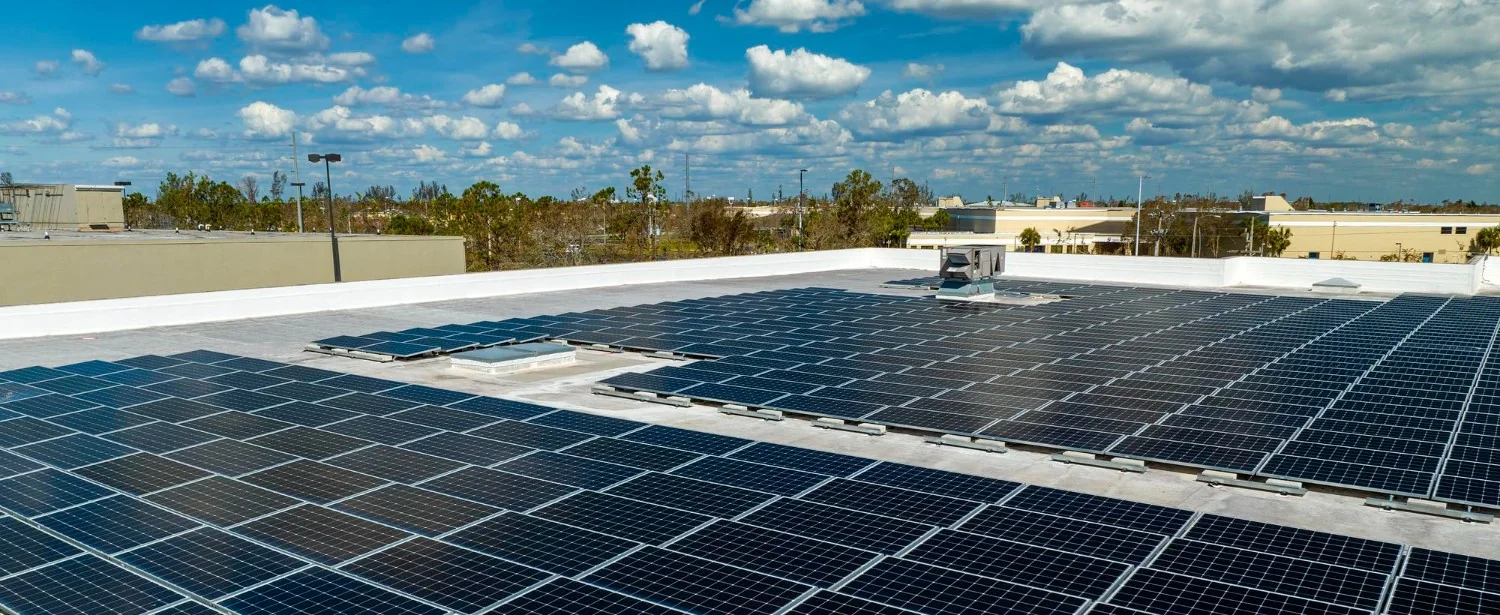
<ul><li><i>India’s rooftop solar capacity reached 30.7 GW in July 2026, increasing the need for better grid management and flexibility.</i></li><li><i>Kerala and Maharashtra are exploring battery ener…

• 𝘛𝘩𝘦 𝘌𝘐𝘉 𝘎𝘳𝘰𝘶𝘱 𝘱𝘭𝘢𝘯𝘴 𝘵𝘰 𝘱𝘳𝘰𝘷𝘪𝘥𝘦 𝘢𝘵 𝘭𝘦𝘢𝘴𝘵 €30 𝘣𝘪𝘭𝘭𝘪𝘰𝘯 𝘧𝘰𝘳 𝘤𝘭𝘪𝘮𝘢𝘵𝘦 𝘢𝘥𝘢𝘱𝘵𝘢𝘵𝘪𝘰𝘯 𝘣𝘦𝘵𝘸𝘦𝘦𝘯 2026 𝘢𝘯𝘥 2030. • 𝘛𝘩𝘦 𝘯𝘦𝘸 𝘵𝘢𝘳𝘨𝘦𝘵 𝘥𝘰𝘶𝘣𝘭𝘦𝘴 𝘢𝘥𝘢𝘱𝘵𝘢𝘵𝘪𝘰𝘯 𝘧𝘪𝘯𝘢𝘯𝘤𝘪𝘯𝘨 𝘤𝘰𝘮𝘱𝘢𝘳𝘦𝘥 𝘸𝘪𝘵𝘩 𝘵𝘩𝘦 𝘱𝘳𝘦𝘷𝘪𝘰𝘶𝘴 𝘧𝘪𝘷𝘦-𝘺𝘦𝘢𝘳 𝘱𝘦𝘳𝘪𝘰𝘥. • 𝘍𝘶𝘯𝘥𝘪𝘯𝘨…