

22 May 2026
The European Union has started applying new measures under its revised Waste Shipment Regulation to strengthen circular economy goals, improve waste traceability and reduce environmental impacts linked to cross-border waste movement. The measures entered into application on May 21, 2026, marking a major implementation phase of rules first adopted in 2024.
The updated framework introduces stricter controls on waste exports and greater oversight of how waste generated within the EU is managed. The regulation is intended to reduce the transfer of environmental burdens outside Europe while supporting the development of stronger markets for secondary raw materials within the bloc.
A key change includes the shift toward digital procedures for waste shipment documentation and approvals across EU member states. The new system is expected to improve transparency, simplify compliance processes and strengthen enforcement against illegal waste movements. Additional requirements affecting plastic waste shipments and export controls will continue to be phased in over the coming months and years.
European policymakers said the measures form part of broader efforts under the European Green Deal and circular economy agenda to increase resource efficiency, encourage recycling and support long-term industrial competitiveness while reducing dependence on virgin raw materials.
The revised Waste Shipment Regulation addresses one of the persistent challenges in EU circular-economy strategy - waste exports that transfer environmental burden outside the EU while depriving European markets of secondary raw materials. Stricter export controls combined with digital documentation and stronger enforcement create the regulatory architecture that circular-economy value-capture requires.
Plastic waste and specific product-category restrictions phased in progressively give affected industries time to reformulate supply chains and develop domestic recycling infrastructure. Well-designed circular-economy regulation typically drives both direct waste-reduction outcomes and indirect innovation in material design.
For waste-management operators, recyclers, consumer-goods brands and financial institutions supporting European circular-economy investment, Cognitud's circular economy, sustainability due diligence and supply chain and operations teams help clients evaluate exposure to tightening waste-shipment regulation, structure supplier and buyer partnership programmes aligned with EU value-capture priorities, and prepare disclosures aligned with CSRD, ISSB and EU taxonomy expectations for circular-economy investment.

• 𝘛𝘩𝘦 𝘜𝘈𝘌 𝘍𝘰𝘰𝘥 𝘉𝘢𝘯𝘬 𝘢𝘯𝘥 𝘋𝘶𝘣𝘢𝘪’𝘴 𝘊𝘰𝘮𝘮𝘶𝘯𝘪𝘵𝘺 𝘋𝘦𝘷𝘦𝘭𝘰𝘱𝘮𝘦𝘯𝘵 𝘈𝘶𝘵𝘩𝘰𝘳𝘪𝘵𝘺 (𝘊𝘋𝘈) 𝘩𝘢𝘷𝘦 𝘴𝘪𝘨𝘯𝘦𝘥 𝘢𝘯 𝘢𝘨𝘳𝘦𝘦𝘮𝘦𝘯𝘵 𝘵𝘰 𝘤𝘰𝘭𝘭𝘦𝘤𝘵 𝘢𝘯𝘥 𝘳𝘦𝘥𝘪𝘴𝘵𝘳𝘪𝘣𝘶𝘵𝘦 𝘴𝘶𝘳𝘱𝘭𝘶𝘴 𝘧𝘰𝘰𝘥 𝘧𝘳𝘰𝘮 𝘸𝘦𝘥𝘥𝘪𝘯𝘨𝘴 𝘢𝘯𝘥 𝘦𝘷𝘦𝘯𝘵𝘴. • 𝘛𝘩𝘦 𝘪𝘯𝘪𝘵𝘪𝘢𝘵𝘪𝘷𝘦 𝘸𝘪𝘭𝘭 𝘧𝘰𝘭𝘭𝘰𝘸 𝘢𝘱𝘱𝘳𝘰𝘷𝘦𝘥…
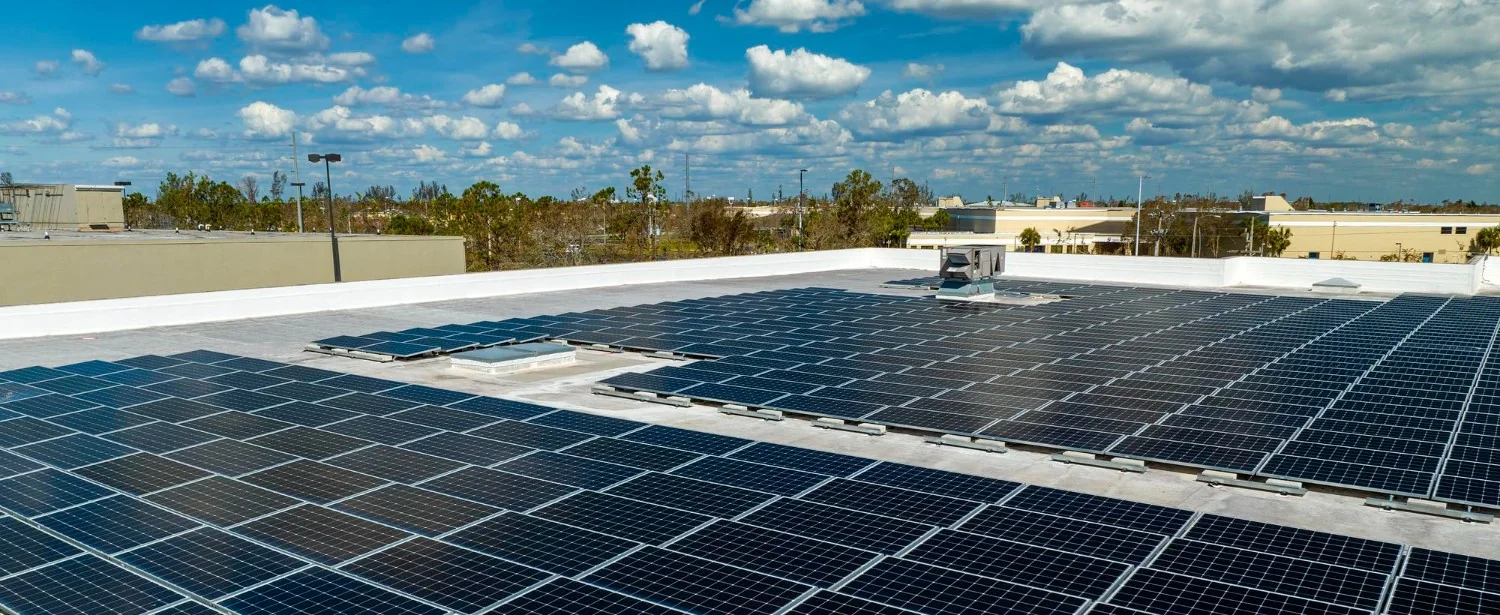
<ul><li><i>India’s rooftop solar capacity reached 30.7 GW in July 2026, increasing the need for better grid management and flexibility.</i></li><li><i>Kerala and Maharashtra are exploring battery ener…
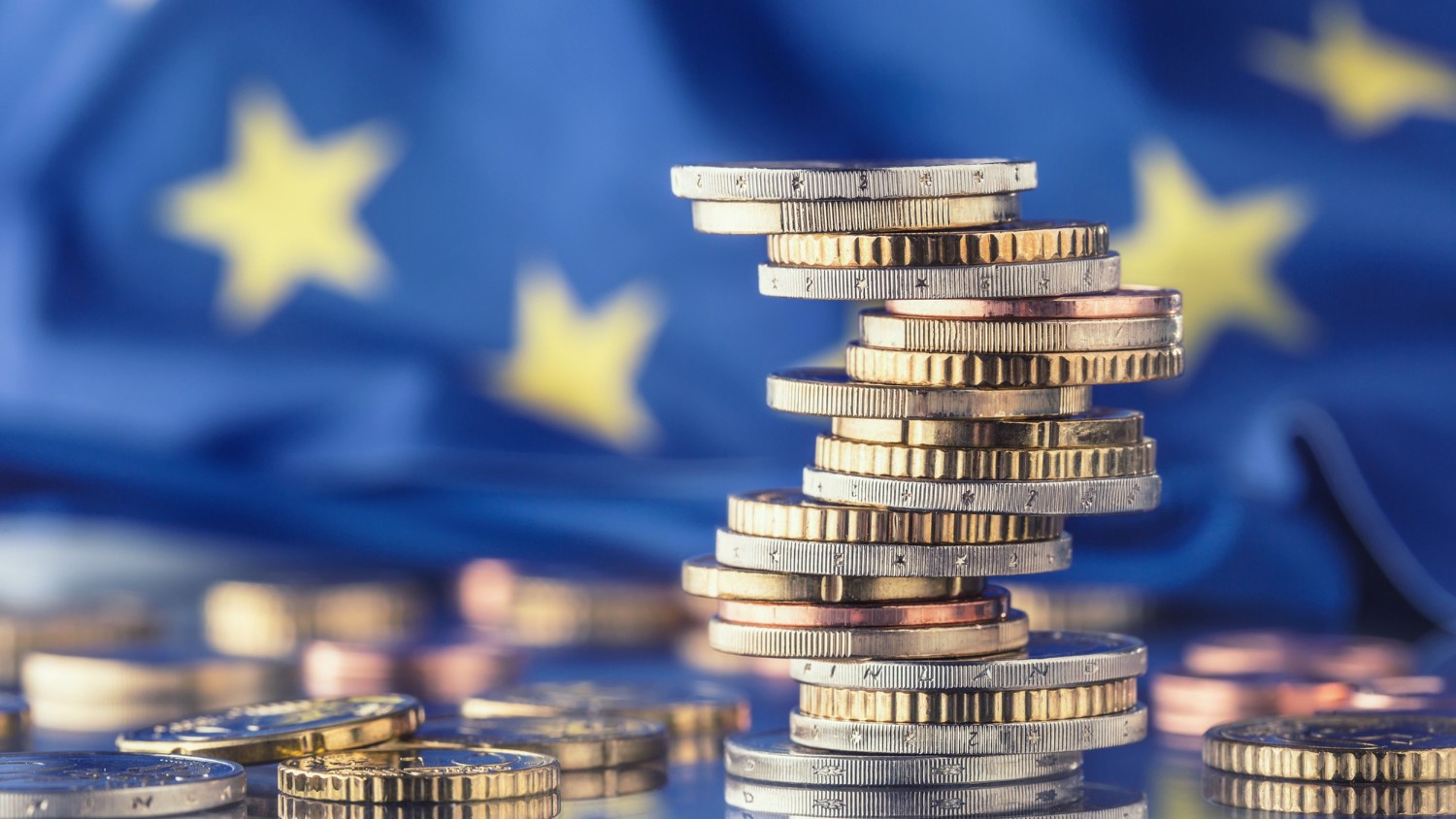
• 𝘛𝘩𝘦 𝘌𝘐𝘉 𝘎𝘳𝘰𝘶𝘱 𝘱𝘭𝘢𝘯𝘴 𝘵𝘰 𝘱𝘳𝘰𝘷𝘪𝘥𝘦 𝘢𝘵 𝘭𝘦𝘢𝘴𝘵 €30 𝘣𝘪𝘭𝘭𝘪𝘰𝘯 𝘧𝘰𝘳 𝘤𝘭𝘪𝘮𝘢𝘵𝘦 𝘢𝘥𝘢𝘱𝘵𝘢𝘵𝘪𝘰𝘯 𝘣𝘦𝘵𝘸𝘦𝘦𝘯 2026 𝘢𝘯𝘥 2030. • 𝘛𝘩𝘦 𝘯𝘦𝘸 𝘵𝘢𝘳𝘨𝘦𝘵 𝘥𝘰𝘶𝘣𝘭𝘦𝘴 𝘢𝘥𝘢𝘱𝘵𝘢𝘵𝘪𝘰𝘯 𝘧𝘪𝘯𝘢𝘯𝘤𝘪𝘯𝘨 𝘤𝘰𝘮𝘱𝘢𝘳𝘦𝘥 𝘸𝘪𝘵𝘩 𝘵𝘩𝘦 𝘱𝘳𝘦𝘷𝘪𝘰𝘶𝘴 𝘧𝘪𝘷𝘦-𝘺𝘦𝘢𝘳 𝘱𝘦𝘳𝘪𝘰𝘥. • 𝘍𝘶𝘯𝘥𝘪𝘯𝘨…