

22 March 2026
Proposed changes to the European Union’s environmental funding framework have drawn criticism from Irish lawmakers, who warn that the plans could weaken support for climate and biodiversity initiatives. The concerns centre on the European Commission’s proposal to integrate the long-standing LIFE programme into a broader European Competitiveness Fund.
The LIFE programme has been the EU’s primary funding instrument for environmental and biodiversity projects since 1992, supporting initiatives ranging from habitat conservation to water quality improvements. Critics argue that merging it into a wider funding mechanism could dilute its focus and reduce dedicated support for nature-based projects.
Under the proposed changes, environmental funding would be combined with broader areas such as research, industry, digital technologies and defence. Lawmakers and stakeholders have expressed concern that this could push climate and biodiversity priorities to the margins, particularly as such projects often do not generate direct economic returns.
The Irish parliamentary climate committee has called for an urgent reconsideration of the proposal, warning that removing a ring-fenced funding structure could reduce investment levels, limit access for smaller organisations and weaken the overall impact of EU environmental programmes.
Merging LIFE into a broader European Competitiveness Fund creates real risk of dilution. LIFE has provided ring-fenced, biodiversity- and climate-focused funding since 1992 - its concentrated focus and predictable programming have been particular strengths for smaller organisations and specialist environmental projects that broader competitiveness-focused funding streams historically overlook.
The Irish parliamentary intervention reflects broader stakeholder concerns about EU sustainability-policy simplification. Individual reforms - including CSDDD threshold changes, ESRS reduction, and LIFE integration - collectively represent substantial recalibration of the EU's environmental-policy architecture. Whether the net effect delivers more efficient delivery or less environmental impact depends critically on implementation detail.
For NGOs, environmental consultancies, project developers and financial institutions supporting European nature-and-climate investment, Cognitud's climate action, nature-based solutions and impact assessment teams help clients evaluate exposure to changing EU environmental-funding architecture, structure programme partnerships that maintain focus and access despite structural reforms, and prepare disclosures aligned with EU taxonomy, CSRD and jurisdictional environmental frameworks.

• 𝘛𝘩𝘦 𝘜𝘈𝘌 𝘍𝘰𝘰𝘥 𝘉𝘢𝘯𝘬 𝘢𝘯𝘥 𝘋𝘶𝘣𝘢𝘪’𝘴 𝘊𝘰𝘮𝘮𝘶𝘯𝘪𝘵𝘺 𝘋𝘦𝘷𝘦𝘭𝘰𝘱𝘮𝘦𝘯𝘵 𝘈𝘶𝘵𝘩𝘰𝘳𝘪𝘵𝘺 (𝘊𝘋𝘈) 𝘩𝘢𝘷𝘦 𝘴𝘪𝘨𝘯𝘦𝘥 𝘢𝘯 𝘢𝘨𝘳𝘦𝘦𝘮𝘦𝘯𝘵 𝘵𝘰 𝘤𝘰𝘭𝘭𝘦𝘤𝘵 𝘢𝘯𝘥 𝘳𝘦𝘥𝘪𝘴𝘵𝘳𝘪𝘣𝘶𝘵𝘦 𝘴𝘶𝘳𝘱𝘭𝘶𝘴 𝘧𝘰𝘰𝘥 𝘧𝘳𝘰𝘮 𝘸𝘦𝘥𝘥𝘪𝘯𝘨𝘴 𝘢𝘯𝘥 𝘦𝘷𝘦𝘯𝘵𝘴. • 𝘛𝘩𝘦 𝘪𝘯𝘪𝘵𝘪𝘢𝘵𝘪𝘷𝘦 𝘸𝘪𝘭𝘭 𝘧𝘰𝘭𝘭𝘰𝘸 𝘢𝘱𝘱𝘳𝘰𝘷𝘦𝘥…
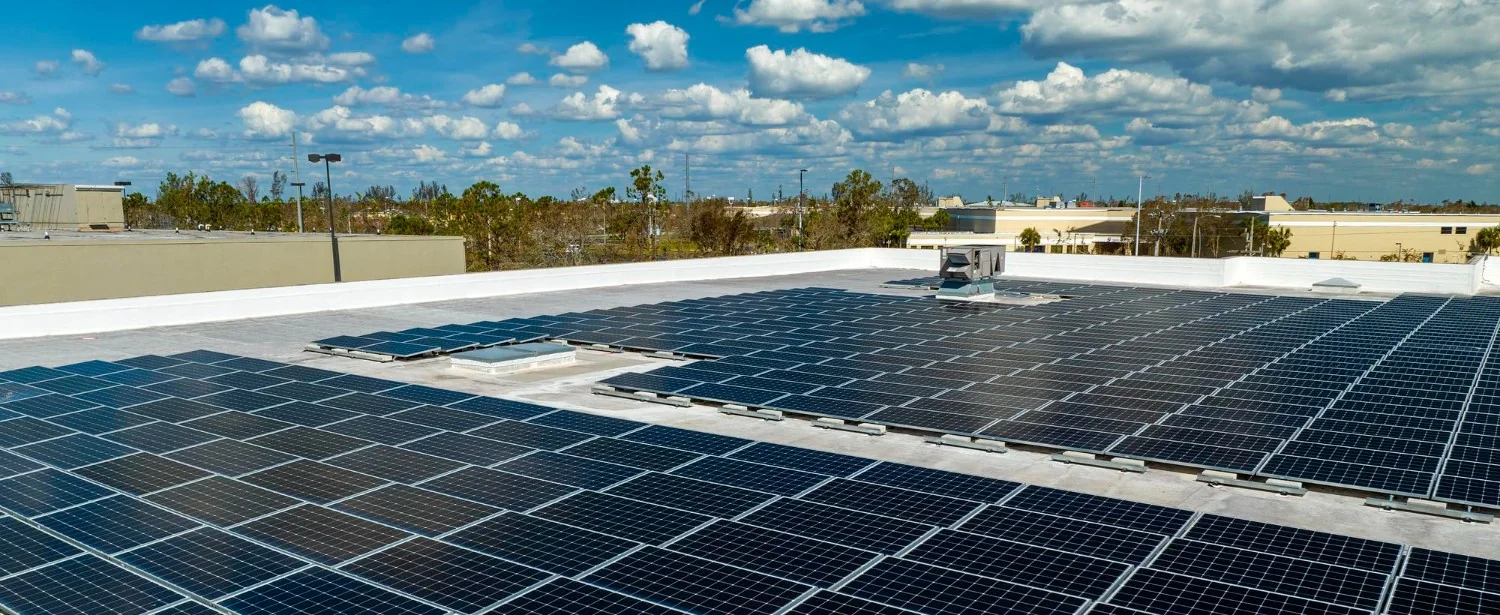
<ul><li><i>India’s rooftop solar capacity reached 30.7 GW in July 2026, increasing the need for better grid management and flexibility.</i></li><li><i>Kerala and Maharashtra are exploring battery ener…
• 𝘛𝘩𝘦 𝘌𝘐𝘉 𝘎𝘳𝘰𝘶𝘱 𝘱𝘭𝘢𝘯𝘴 𝘵𝘰 𝘱𝘳𝘰𝘷𝘪𝘥𝘦 𝘢𝘵 𝘭𝘦𝘢𝘴𝘵 €30 𝘣𝘪𝘭𝘭𝘪𝘰𝘯 𝘧𝘰𝘳 𝘤𝘭𝘪𝘮𝘢𝘵𝘦 𝘢𝘥𝘢𝘱𝘵𝘢𝘵𝘪𝘰𝘯 𝘣𝘦𝘵𝘸𝘦𝘦𝘯 2026 𝘢𝘯𝘥 2030. • 𝘛𝘩𝘦 𝘯𝘦𝘸 𝘵𝘢𝘳𝘨𝘦𝘵 𝘥𝘰𝘶𝘣𝘭𝘦𝘴 𝘢𝘥𝘢𝘱𝘵𝘢𝘵𝘪𝘰𝘯 𝘧𝘪𝘯𝘢𝘯𝘤𝘪𝘯𝘨 𝘤𝘰𝘮𝘱𝘢𝘳𝘦𝘥 𝘸𝘪𝘵𝘩 𝘵𝘩𝘦 𝘱𝘳𝘦𝘷𝘪𝘰𝘶𝘴 𝘧𝘪𝘷𝘦-𝘺𝘦𝘢𝘳 𝘱𝘦𝘳𝘪𝘰𝘥. • 𝘍𝘶𝘯𝘥𝘪𝘯𝘨…