


27 October 2025
The European Union is reviewing a draft proposal that introduces flexibility into its planned legally binding target to cut net greenhouse-gas emissions by 90 % by 2040. In the draft, the bloc considers a mechanism to review the target every two years, potentially allowing adjustments if progress is slower than expected.
One of the key changes is that if one sector under-performs - for instance forests absorbing fewer emissions or carbon-removal technologies developing slower - then other sectors would not be forced to make up the difference, insulating them from disproportionate burdens. The document also maintains that up to 3 % of the target can be met by purchasing foreign carbon credits, though some members are pushing for a higher share.
The move comes amid divisions within the EU, with some member states concerned about balancing climate ambition with industrial competitiveness, energy costs and geopolitical pressures. The draft will be further negotiated by ambassadors and climate ministers ahead of the COP30 climate summit in early November.
The proposed flexibility mechanisms - biennial review, sectoral insulation and expanded use of international credits - reflect the political reality of legislating a 90 percent emissions reduction target while maintaining unanimity across a widely varied EU industrial base. Rigid targets are politically easier to announce but harder to sustain when downstream sectors underperform or when geopolitical conditions shift.
The debate over the international-credit share is particularly significant. A higher share reduces the domestic effort required but raises questions about credit quality, additionality and the concept of "own effort" central to the Paris Agreement architecture. The 3 percent floor is a conservative anchor; higher shares would materially reshape both the target's ambition and the EU's negotiating stance internationally.
For industrial, financial-services and energy-sector clients navigating EU climate policy, Cognitud's climate action, ESG strategy and market intelligence teams help clients model different target-trajectory scenarios, evaluate exposure to sectoral pathways under the review mechanism, and structure disclosures that give investors and regulators visibility into a policy landscape that will continue to evolve through the 2040 target's implementation.

• 𝘛𝘩𝘦 𝘜𝘈𝘌 𝘍𝘰𝘰𝘥 𝘉𝘢𝘯𝘬 𝘢𝘯𝘥 𝘋𝘶𝘣𝘢𝘪’𝘴 𝘊𝘰𝘮𝘮𝘶𝘯𝘪𝘵𝘺 𝘋𝘦𝘷𝘦𝘭𝘰𝘱𝘮𝘦𝘯𝘵 𝘈𝘶𝘵𝘩𝘰𝘳𝘪𝘵𝘺 (𝘊𝘋𝘈) 𝘩𝘢𝘷𝘦 𝘴𝘪𝘨𝘯𝘦𝘥 𝘢𝘯 𝘢𝘨𝘳𝘦𝘦𝘮𝘦𝘯𝘵 𝘵𝘰 𝘤𝘰𝘭𝘭𝘦𝘤𝘵 𝘢𝘯𝘥 𝘳𝘦𝘥𝘪𝘴𝘵𝘳𝘪𝘣𝘶𝘵𝘦 𝘴𝘶𝘳𝘱𝘭𝘶𝘴 𝘧𝘰𝘰𝘥 𝘧𝘳𝘰𝘮 𝘸𝘦𝘥𝘥𝘪𝘯𝘨𝘴 𝘢𝘯𝘥 𝘦𝘷𝘦𝘯𝘵𝘴. • 𝘛𝘩𝘦 𝘪𝘯𝘪𝘵𝘪𝘢𝘵𝘪𝘷𝘦 𝘸𝘪𝘭𝘭 𝘧𝘰𝘭𝘭𝘰𝘸 𝘢𝘱𝘱𝘳𝘰𝘷𝘦𝘥…
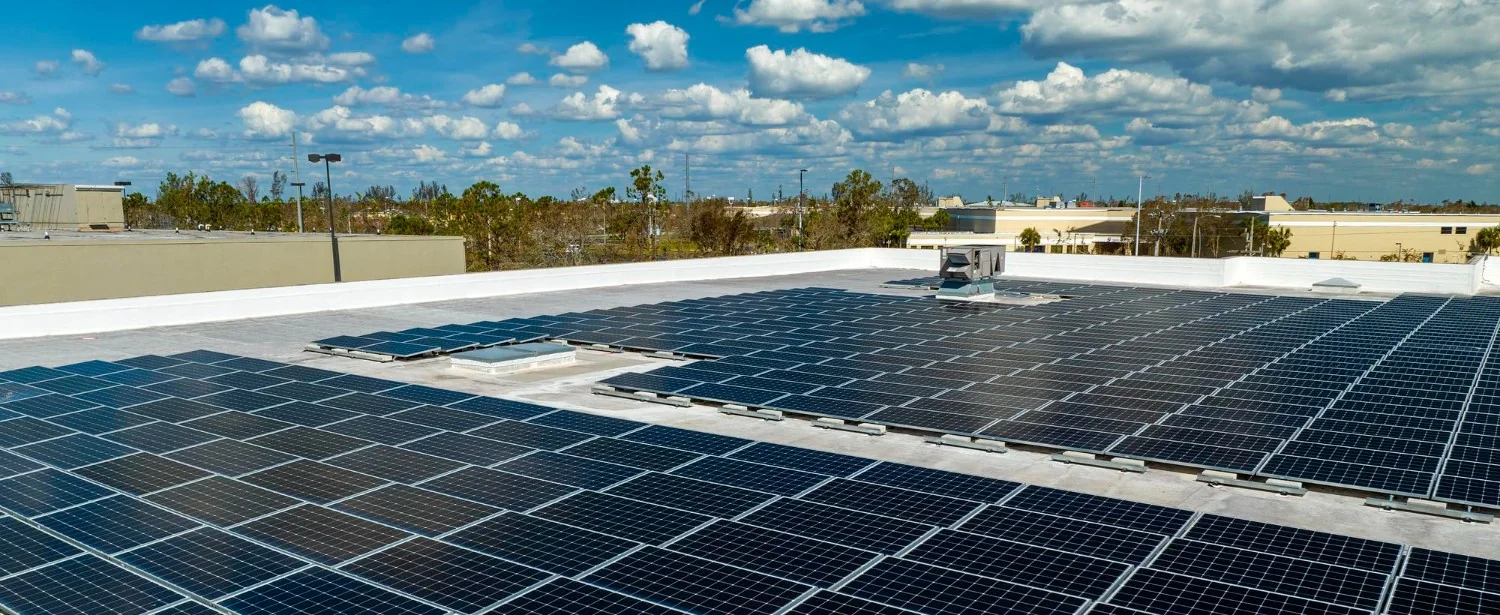
<ul><li><i>India’s rooftop solar capacity reached 30.7 GW in July 2026, increasing the need for better grid management and flexibility.</i></li><li><i>Kerala and Maharashtra are exploring battery ener…

• 𝘛𝘩𝘦 𝘌𝘐𝘉 𝘎𝘳𝘰𝘶𝘱 𝘱𝘭𝘢𝘯𝘴 𝘵𝘰 𝘱𝘳𝘰𝘷𝘪𝘥𝘦 𝘢𝘵 𝘭𝘦𝘢𝘴𝘵 €30 𝘣𝘪𝘭𝘭𝘪𝘰𝘯 𝘧𝘰𝘳 𝘤𝘭𝘪𝘮𝘢𝘵𝘦 𝘢𝘥𝘢𝘱𝘵𝘢𝘵𝘪𝘰𝘯 𝘣𝘦𝘵𝘸𝘦𝘦𝘯 2026 𝘢𝘯𝘥 2030. • 𝘛𝘩𝘦 𝘯𝘦𝘸 𝘵𝘢𝘳𝘨𝘦𝘵 𝘥𝘰𝘶𝘣𝘭𝘦𝘴 𝘢𝘥𝘢𝘱𝘵𝘢𝘵𝘪𝘰𝘯 𝘧𝘪𝘯𝘢𝘯𝘤𝘪𝘯𝘨 𝘤𝘰𝘮𝘱𝘢𝘳𝘦𝘥 𝘸𝘪𝘵𝘩 𝘵𝘩𝘦 𝘱𝘳𝘦𝘷𝘪𝘰𝘶𝘴 𝘧𝘪𝘷𝘦-𝘺𝘦𝘢𝘳 𝘱𝘦𝘳𝘪𝘰𝘥. • 𝘍𝘶𝘯𝘥𝘪𝘯𝘨…