


03 November 2025
The European Union is considering introducing a “brake clause” into its planned 2040 climate target that would allow the goal to be revised downward if forest and land-use sectors fail to absorb sufficient CO₂ emissions. This comes amid concerns that forest absorption has dropped nearly a third over the past decade, due to wildfires, pests and worsening forest health.
Under the proposed draft compromise, the EU would retain its aim to cut net emissions by 90% by 2040 compared to 1990 levels-but if land-based carbon sinks under-perform, an “adjustment of the 2040 intermediate target corresponding to and within the limits of the possible shortfalls” could be triggered. In addition, the draft would enable periodic reviews of the target every two years, giving the possibility of weakening it if progress is slower than expected.
This shift raises questions about the integrity of the EU’s climate leadership and whether such flexibility will undermine investor confidence in long-term decarbonisation pathways. With just days to go before the COP30 climate summit, EU ministers must still iron out details-such as the share of emission reductions that can be met via foreign carbon credits-before the target can formally be adopted.
The proposed "brake clause" on the 2040 target - allowing downward revision if land-based carbon sinks underperform - reflects a real biological challenge: European forest CO2 absorption has fallen roughly one-third over the past decade due to wildfires, pests and climate-stress-related tree mortality. Land-sector performance risk is genuine, not speculative.
However, the mechanism introduces significant political risk to EU climate credibility. Investors and industrial operators have built long-horizon capital-allocation decisions around EU target trajectories; retrospective flexibility reduces the reliability of those anchor points and undermines the "policy certainty" the EU regulatory architecture has traditionally provided. The share of international carbon credits allowable in the target remains a contentious variable.
For industrial, financial-services and energy-sector clients navigating EU climate policy, Cognitud's climate action, ESG strategy and market intelligence teams help clients model different 2040-trajectory scenarios, evaluate exposure to land-sector-dependent target adjustments, and prepare disclosures aligned with CSRD, ISSB and EU taxonomy that give investors visibility into evolving EU climate-policy risk.

• 𝘛𝘩𝘦 𝘜𝘈𝘌 𝘍𝘰𝘰𝘥 𝘉𝘢𝘯𝘬 𝘢𝘯𝘥 𝘋𝘶𝘣𝘢𝘪’𝘴 𝘊𝘰𝘮𝘮𝘶𝘯𝘪𝘵𝘺 𝘋𝘦𝘷𝘦𝘭𝘰𝘱𝘮𝘦𝘯𝘵 𝘈𝘶𝘵𝘩𝘰𝘳𝘪𝘵𝘺 (𝘊𝘋𝘈) 𝘩𝘢𝘷𝘦 𝘴𝘪𝘨𝘯𝘦𝘥 𝘢𝘯 𝘢𝘨𝘳𝘦𝘦𝘮𝘦𝘯𝘵 𝘵𝘰 𝘤𝘰𝘭𝘭𝘦𝘤𝘵 𝘢𝘯𝘥 𝘳𝘦𝘥𝘪𝘴𝘵𝘳𝘪𝘣𝘶𝘵𝘦 𝘴𝘶𝘳𝘱𝘭𝘶𝘴 𝘧𝘰𝘰𝘥 𝘧𝘳𝘰𝘮 𝘸𝘦𝘥𝘥𝘪𝘯𝘨𝘴 𝘢𝘯𝘥 𝘦𝘷𝘦𝘯𝘵𝘴. • 𝘛𝘩𝘦 𝘪𝘯𝘪𝘵𝘪𝘢𝘵𝘪𝘷𝘦 𝘸𝘪𝘭𝘭 𝘧𝘰𝘭𝘭𝘰𝘸 𝘢𝘱𝘱𝘳𝘰𝘷𝘦𝘥…
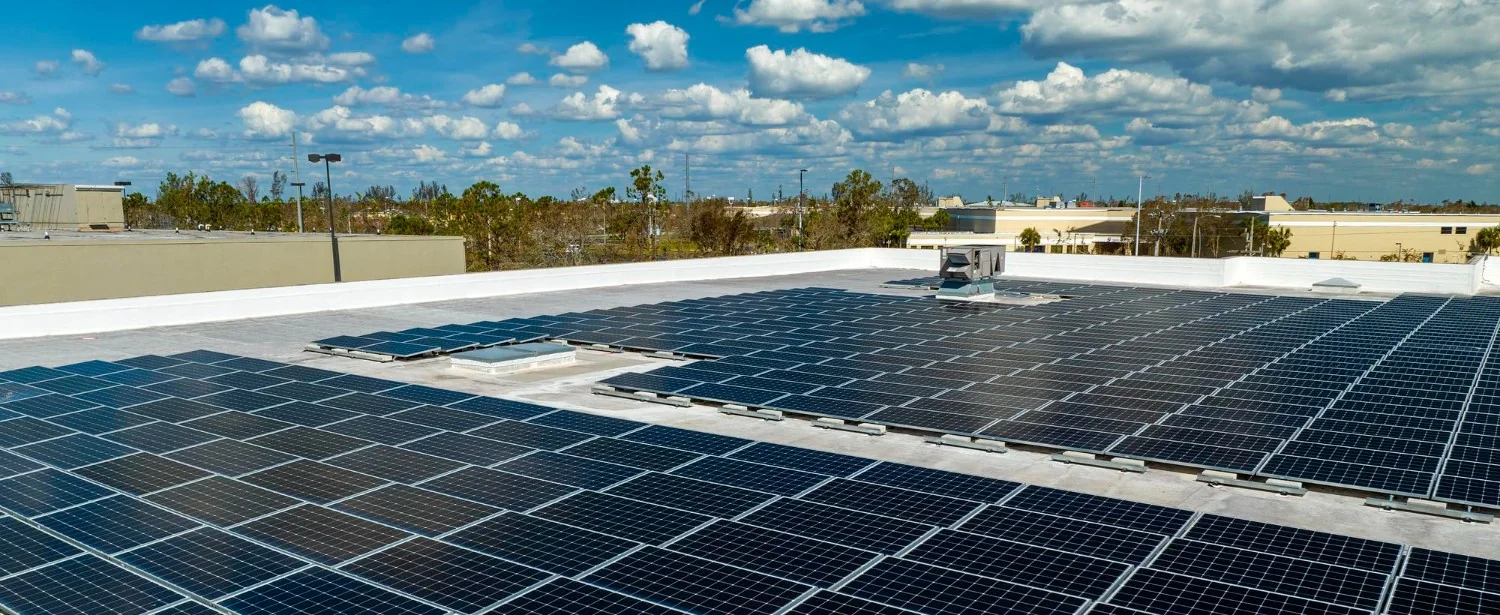
<ul><li><i>India’s rooftop solar capacity reached 30.7 GW in July 2026, increasing the need for better grid management and flexibility.</i></li><li><i>Kerala and Maharashtra are exploring battery ener…
• 𝘛𝘩𝘦 𝘌𝘐𝘉 𝘎𝘳𝘰𝘶𝘱 𝘱𝘭𝘢𝘯𝘴 𝘵𝘰 𝘱𝘳𝘰𝘷𝘪𝘥𝘦 𝘢𝘵 𝘭𝘦𝘢𝘴𝘵 €30 𝘣𝘪𝘭𝘭𝘪𝘰𝘯 𝘧𝘰𝘳 𝘤𝘭𝘪𝘮𝘢𝘵𝘦 𝘢𝘥𝘢𝘱𝘵𝘢𝘵𝘪𝘰𝘯 𝘣𝘦𝘵𝘸𝘦𝘦𝘯 2026 𝘢𝘯𝘥 2030. • 𝘛𝘩𝘦 𝘯𝘦𝘸 𝘵𝘢𝘳𝘨𝘦𝘵 𝘥𝘰𝘶𝘣𝘭𝘦𝘴 𝘢𝘥𝘢𝘱𝘵𝘢𝘵𝘪𝘰𝘯 𝘧𝘪𝘯𝘢𝘯𝘤𝘪𝘯𝘨 𝘤𝘰𝘮𝘱𝘢𝘳𝘦𝘥 𝘸𝘪𝘵𝘩 𝘵𝘩𝘦 𝘱𝘳𝘦𝘷𝘪𝘰𝘶𝘴 𝘧𝘪𝘷𝘦-𝘺𝘦𝘢𝘳 𝘱𝘦𝘳𝘪𝘰𝘥. • 𝘍𝘶𝘯𝘥𝘪𝘯𝘨…