


02 September 2025
The European Union weighed a proposal to delay taxes on aviation and shipping fuels for a decade, sparking debate over its impact on Europe’s climate ambitions. The reform was originally part of the EU’s push to align energy taxation with sustainability goals, targeting high-emission sectors that currently enjoy exemptions.
Under the draft, aviation and shipping fuels would have remained exempt from EU-wide minimum taxes until 2035. The European Commission would then review whether taxation should apply, effectively postponing stronger climate action in two of the bloc’s most polluting industries. Only small aircraft with fewer than 19 seats and private pleasure craft were set to face earlier taxation.
Supporters argued the delay was needed to protect the competitive position of EU companies, particularly in shipping and tourism-heavy economies. However, climate campaigners warned that postponing taxation risked slowing the transition to cleaner, more sustainable fuels, undermining the EU’s Green Deal and 2050 net-zero targets.
The draft, prepared under Denmark’s EU presidency, was expected to be discussed in Brussels as part of efforts to finalize energy tax reforms by November. The outcome was seen as a test of the EU’s ability to balance industry competitiveness with its climate commitments.
A 10-year tax holiday for aviation and shipping fuels under the Energy Taxation Directive would have preserved existing exemptions for two of Europe's most emissions-intensive sectors well past the 2030 milestone that most EU climate policy targets. The tension between industry-competitiveness protection and climate-ambition delivery is genuine - both sectors compete globally where non-EU operators face lower fuel-cost bases.
The exemption of only very small aircraft (under 19 seats) and private pleasure craft from earlier taxation reflects politically-manageable coverage. Any broader early implementation faces significant lobbying pressure, particularly from Mediterranean tourism-dependent economies. The Green Deal delivery credibility depends on how the EU eventually resolves this tension.
For airlines, shipping operators, fuel producers and financial institutions supporting sustainable-fuel investment, Cognitud's climate action, market intelligence and energy transition teams help clients evaluate exposure to different tax-reform scenarios, structure fuel-supply and operational strategies robust across outcomes, and prepare disclosures aligned with CDP Transport, ISSB and jurisdictional aviation/maritime-sustainability frameworks that increasingly shape competitive positioning across European transport markets.

• 𝘛𝘩𝘦 𝘜𝘈𝘌 𝘍𝘰𝘰𝘥 𝘉𝘢𝘯𝘬 𝘢𝘯𝘥 𝘋𝘶𝘣𝘢𝘪’𝘴 𝘊𝘰𝘮𝘮𝘶𝘯𝘪𝘵𝘺 𝘋𝘦𝘷𝘦𝘭𝘰𝘱𝘮𝘦𝘯𝘵 𝘈𝘶𝘵𝘩𝘰𝘳𝘪𝘵𝘺 (𝘊𝘋𝘈) 𝘩𝘢𝘷𝘦 𝘴𝘪𝘨𝘯𝘦𝘥 𝘢𝘯 𝘢𝘨𝘳𝘦𝘦𝘮𝘦𝘯𝘵 𝘵𝘰 𝘤𝘰𝘭𝘭𝘦𝘤𝘵 𝘢𝘯𝘥 𝘳𝘦𝘥𝘪𝘴𝘵𝘳𝘪𝘣𝘶𝘵𝘦 𝘴𝘶𝘳𝘱𝘭𝘶𝘴 𝘧𝘰𝘰𝘥 𝘧𝘳𝘰𝘮 𝘸𝘦𝘥𝘥𝘪𝘯𝘨𝘴 𝘢𝘯𝘥 𝘦𝘷𝘦𝘯𝘵𝘴. • 𝘛𝘩𝘦 𝘪𝘯𝘪𝘵𝘪𝘢𝘵𝘪𝘷𝘦 𝘸𝘪𝘭𝘭 𝘧𝘰𝘭𝘭𝘰𝘸 𝘢𝘱𝘱𝘳𝘰𝘷𝘦𝘥…
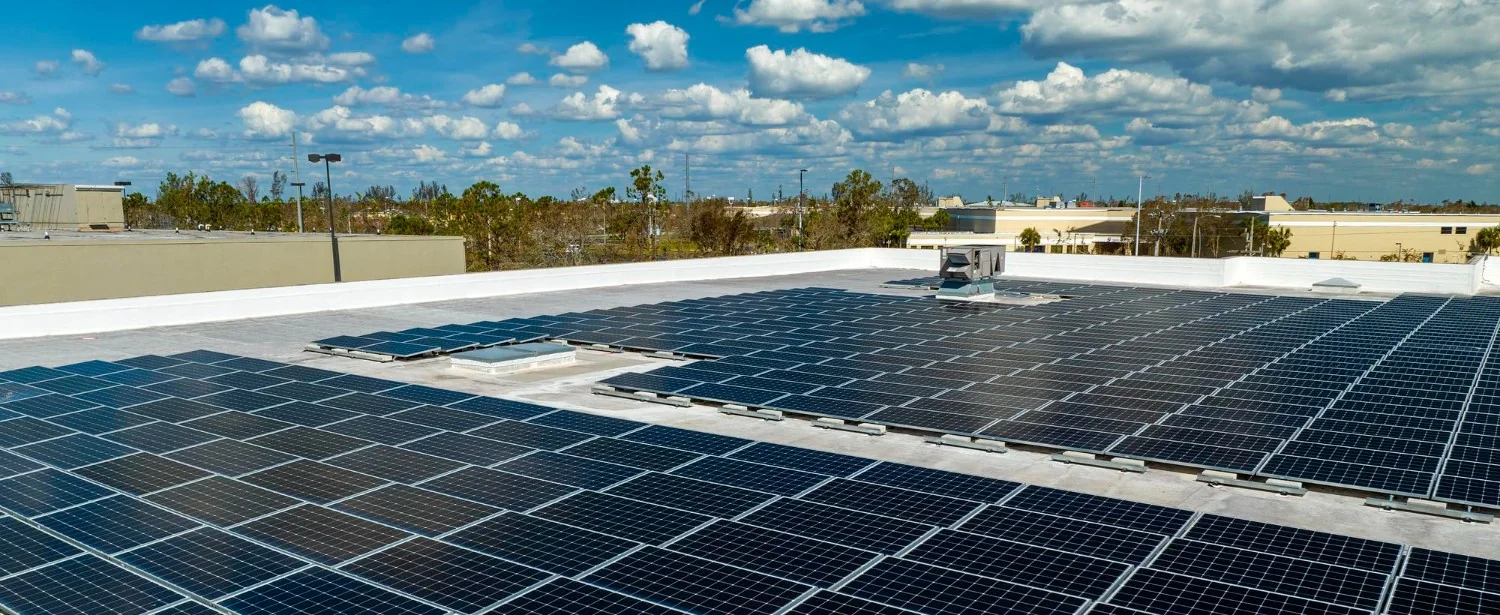
<ul><li><i>India’s rooftop solar capacity reached 30.7 GW in July 2026, increasing the need for better grid management and flexibility.</i></li><li><i>Kerala and Maharashtra are exploring battery ener…
• 𝘛𝘩𝘦 𝘌𝘐𝘉 𝘎𝘳𝘰𝘶𝘱 𝘱𝘭𝘢𝘯𝘴 𝘵𝘰 𝘱𝘳𝘰𝘷𝘪𝘥𝘦 𝘢𝘵 𝘭𝘦𝘢𝘴𝘵 €30 𝘣𝘪𝘭𝘭𝘪𝘰𝘯 𝘧𝘰𝘳 𝘤𝘭𝘪𝘮𝘢𝘵𝘦 𝘢𝘥𝘢𝘱𝘵𝘢𝘵𝘪𝘰𝘯 𝘣𝘦𝘵𝘸𝘦𝘦𝘯 2026 𝘢𝘯𝘥 2030. • 𝘛𝘩𝘦 𝘯𝘦𝘸 𝘵𝘢𝘳𝘨𝘦𝘵 𝘥𝘰𝘶𝘣𝘭𝘦𝘴 𝘢𝘥𝘢𝘱𝘵𝘢𝘵𝘪𝘰𝘯 𝘧𝘪𝘯𝘢𝘯𝘤𝘪𝘯𝘨 𝘤𝘰𝘮𝘱𝘢𝘳𝘦𝘥 𝘸𝘪𝘵𝘩 𝘵𝘩𝘦 𝘱𝘳𝘦𝘷𝘪𝘰𝘶𝘴 𝘧𝘪𝘷𝘦-𝘺𝘦𝘢𝘳 𝘱𝘦𝘳𝘪𝘰𝘥. • 𝘍𝘶𝘯𝘥𝘪𝘯𝘨…