

.jpg)
12 November 2025
EU member states have agreed to begin negotiations with the UK on linking their carbon markets, Denmark’s EU presidency said on Wednesday-marking a significant step in rebuilding post-Brexit relations. A linked system would exempt both sides from imposing carbon border tariffs on each other, a key incentive for British industries facing rising compliance costs.
Ambassadors unanimously backed the move in a closed-door meeting, and formal approval by EU ministers on Monday is expected without changes. However, the linkage is unlikely to materialize soon enough to shield UK firms from the EU’s incoming carbon border levy, which takes effect on January 1 for imports such as steel and cement. The UK government estimates the levy could cost its companies around £800 million annually.
Because aligning the two carbon markets will take several years, British firms will still face the EU levy until the systems are fully linked. The UK is preparing its own carbon border tax, due to start in 2027.
Formal negotiations on EU–UK ETS linkage would reduce friction between two of Europe's largest carbon-priced economies. But the multi-year implementation timeline means UK industries will face the EU CBAM through the intervening period, with the £800 million estimated annual cost falling primarily on steel, cement, aluminium and fertiliser importers. The UK's own carbon border tax, taking effect from 2027, adds further complexity for cross-border trading.
For businesses operating across both regimes, the interim period requires active management: robust emissions accounting to minimise CBAM exposure, hedging strategies that reflect divergent EU/UK allowance prices, and preparation for the eventual linked-market architecture. The Swiss-EU linkage precedent from 2020 provides a working template for how such arrangements can operate at scale.
For energy-intensive industrials, carbon-market participants and their financial and legal advisors, Cognitud's climate action, market intelligence and sustainability due diligence teams help clients evaluate CBAM exposure across supply chains, structure carbon-cost pass-through strategies, and prepare disclosures aligned with EU ETS, UK ETS and CSRD requirements that increasingly demand quantified carbon-price and transition-risk analysis.

• 𝘛𝘩𝘦 𝘜𝘈𝘌 𝘍𝘰𝘰𝘥 𝘉𝘢𝘯𝘬 𝘢𝘯𝘥 𝘋𝘶𝘣𝘢𝘪’𝘴 𝘊𝘰𝘮𝘮𝘶𝘯𝘪𝘵𝘺 𝘋𝘦𝘷𝘦𝘭𝘰𝘱𝘮𝘦𝘯𝘵 𝘈𝘶𝘵𝘩𝘰𝘳𝘪𝘵𝘺 (𝘊𝘋𝘈) 𝘩𝘢𝘷𝘦 𝘴𝘪𝘨𝘯𝘦𝘥 𝘢𝘯 𝘢𝘨𝘳𝘦𝘦𝘮𝘦𝘯𝘵 𝘵𝘰 𝘤𝘰𝘭𝘭𝘦𝘤𝘵 𝘢𝘯𝘥 𝘳𝘦𝘥𝘪𝘴𝘵𝘳𝘪𝘣𝘶𝘵𝘦 𝘴𝘶𝘳𝘱𝘭𝘶𝘴 𝘧𝘰𝘰𝘥 𝘧𝘳𝘰𝘮 𝘸𝘦𝘥𝘥𝘪𝘯𝘨𝘴 𝘢𝘯𝘥 𝘦𝘷𝘦𝘯𝘵𝘴. • 𝘛𝘩𝘦 𝘪𝘯𝘪𝘵𝘪𝘢𝘵𝘪𝘷𝘦 𝘸𝘪𝘭𝘭 𝘧𝘰𝘭𝘭𝘰𝘸 𝘢𝘱𝘱𝘳𝘰𝘷𝘦𝘥…
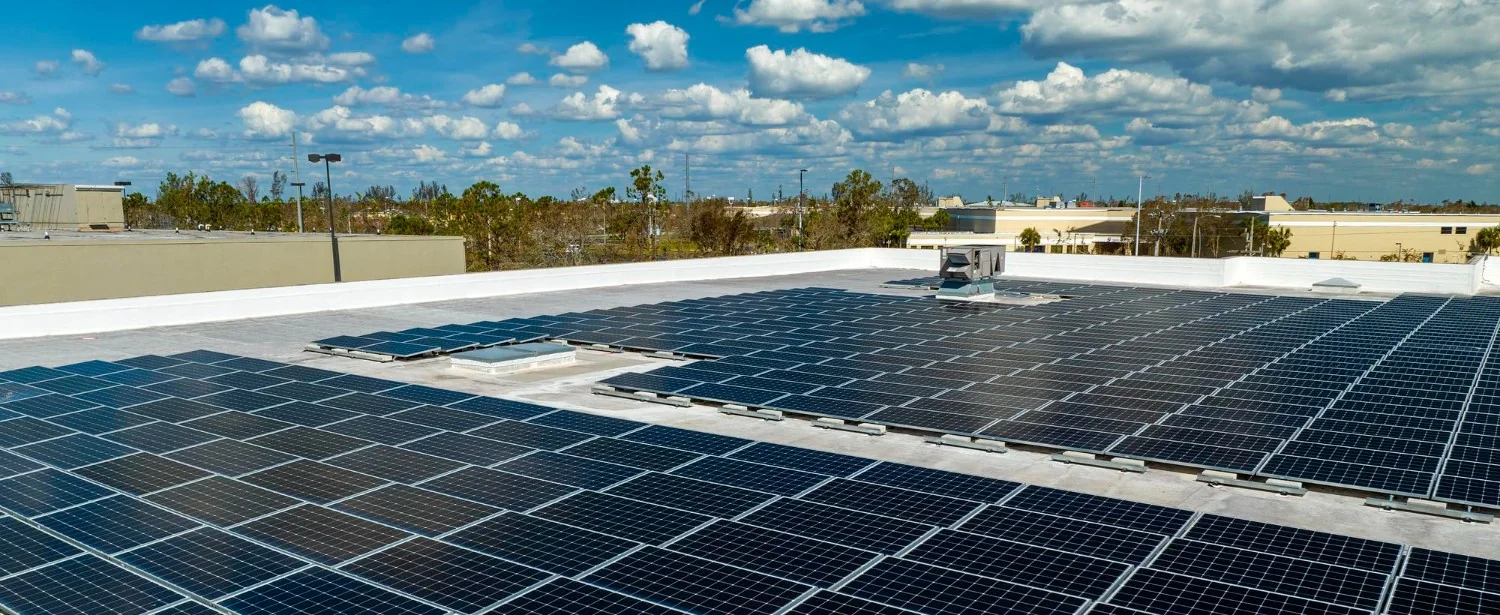
<ul><li><i>India’s rooftop solar capacity reached 30.7 GW in July 2026, increasing the need for better grid management and flexibility.</i></li><li><i>Kerala and Maharashtra are exploring battery ener…
• 𝘛𝘩𝘦 𝘌𝘐𝘉 𝘎𝘳𝘰𝘶𝘱 𝘱𝘭𝘢𝘯𝘴 𝘵𝘰 𝘱𝘳𝘰𝘷𝘪𝘥𝘦 𝘢𝘵 𝘭𝘦𝘢𝘴𝘵 €30 𝘣𝘪𝘭𝘭𝘪𝘰𝘯 𝘧𝘰𝘳 𝘤𝘭𝘪𝘮𝘢𝘵𝘦 𝘢𝘥𝘢𝘱𝘵𝘢𝘵𝘪𝘰𝘯 𝘣𝘦𝘵𝘸𝘦𝘦𝘯 2026 𝘢𝘯𝘥 2030. • 𝘛𝘩𝘦 𝘯𝘦𝘸 𝘵𝘢𝘳𝘨𝘦𝘵 𝘥𝘰𝘶𝘣𝘭𝘦𝘴 𝘢𝘥𝘢𝘱𝘵𝘢𝘵𝘪𝘰𝘯 𝘧𝘪𝘯𝘢𝘯𝘤𝘪𝘯𝘨 𝘤𝘰𝘮𝘱𝘢𝘳𝘦𝘥 𝘸𝘪𝘵𝘩 𝘵𝘩𝘦 𝘱𝘳𝘦𝘷𝘪𝘰𝘶𝘴 𝘧𝘪𝘷𝘦-𝘺𝘦𝘢𝘳 𝘱𝘦𝘳𝘪𝘰𝘥. • 𝘍𝘶𝘯𝘥𝘪𝘯𝘨…