


28 August 2025
European automakers and suppliers had pressed the EU to revise its ambitious vehicle CO2 reduction goals, warning that the 2030 and 2035 targets were no longer feasible. In a letter to European Commission President Ursula von der Leyen, industry leaders reiterated their commitment to net zero by 2050 but highlighted mounting challenges.
The sector had flagged critical issues including heavy reliance on Asian battery supply chains, insufficient charging infrastructure, higher production costs, and U.S. tariffs. They stressed that rigid mandates alone could not drive the transition, particularly as electric vehicles made up only 15% of new EU car sales and 9% of vans.
Instead, automakers had called for a broader technology mix-spanning EVs, hybrids, hydrogen, and decarbonised fuels-while also urging a review of heavy-duty vehicle regulations. They warned that enforcing a 100% switch by 2035 risked undermining Europe’s competitiveness at a time of rising global pressures.
The debate came ahead of von der Leyen’s scheduled meeting with auto executives on September 12, aimed at shaping a realistic and resilient roadmap for the sector’s future.
The industry position - commitment to 2050 net-zero but concerns about 2030/2035 delivery - reflects a real capability gap.
Battery-supply-chain concentration in Asia, insufficient charging infrastructure, cost pressures and US tariff dynamics all constrain the pace at which European automakers can meaningfully shift production to zero-emission vehicles.
At 15 percent EV share of new car sales and 9 percent for vans, current progress falls well short of the trajectory needed to hit 2030 milestones.
The technology-mix argument (EVs, hybrids, hydrogen, decarbonised fuels) has merit for specific segments - heavy-duty and long-range applications remain challenging for pure EV - but risks becoming a delay mechanism if it dilutes overall regulatory pressure. The eventual EU position will need to balance industry-adjustment realism with the trajectory required to meet 2050 net-zero, particularly given the pace of Chinese EV manufacturing scale-up.
For automotive OEMs, suppliers, charging-infrastructure operators and financial institutions supporting the sector's transition, Cognitud's climate action, market intelligence and ESG strategy teams help clients build scenario-based transition strategies robust across different regulatory outcomes, structure capital plans that reflect both timing risk and underlying market trajectory, and prepare disclosures aligned with CSRD, ISSB and CDP Auto expectations that give investors visibility into how climate-policy shifts translate into commercial exposure.

• 𝘛𝘩𝘦 𝘜𝘈𝘌 𝘍𝘰𝘰𝘥 𝘉𝘢𝘯𝘬 𝘢𝘯𝘥 𝘋𝘶𝘣𝘢𝘪’𝘴 𝘊𝘰𝘮𝘮𝘶𝘯𝘪𝘵𝘺 𝘋𝘦𝘷𝘦𝘭𝘰𝘱𝘮𝘦𝘯𝘵 𝘈𝘶𝘵𝘩𝘰𝘳𝘪𝘵𝘺 (𝘊𝘋𝘈) 𝘩𝘢𝘷𝘦 𝘴𝘪𝘨𝘯𝘦𝘥 𝘢𝘯 𝘢𝘨𝘳𝘦𝘦𝘮𝘦𝘯𝘵 𝘵𝘰 𝘤𝘰𝘭𝘭𝘦𝘤𝘵 𝘢𝘯𝘥 𝘳𝘦𝘥𝘪𝘴𝘵𝘳𝘪𝘣𝘶𝘵𝘦 𝘴𝘶𝘳𝘱𝘭𝘶𝘴 𝘧𝘰𝘰𝘥 𝘧𝘳𝘰𝘮 𝘸𝘦𝘥𝘥𝘪𝘯𝘨𝘴 𝘢𝘯𝘥 𝘦𝘷𝘦𝘯𝘵𝘴. • 𝘛𝘩𝘦 𝘪𝘯𝘪𝘵𝘪𝘢𝘵𝘪𝘷𝘦 𝘸𝘪𝘭𝘭 𝘧𝘰𝘭𝘭𝘰𝘸 𝘢𝘱𝘱𝘳𝘰𝘷𝘦𝘥…
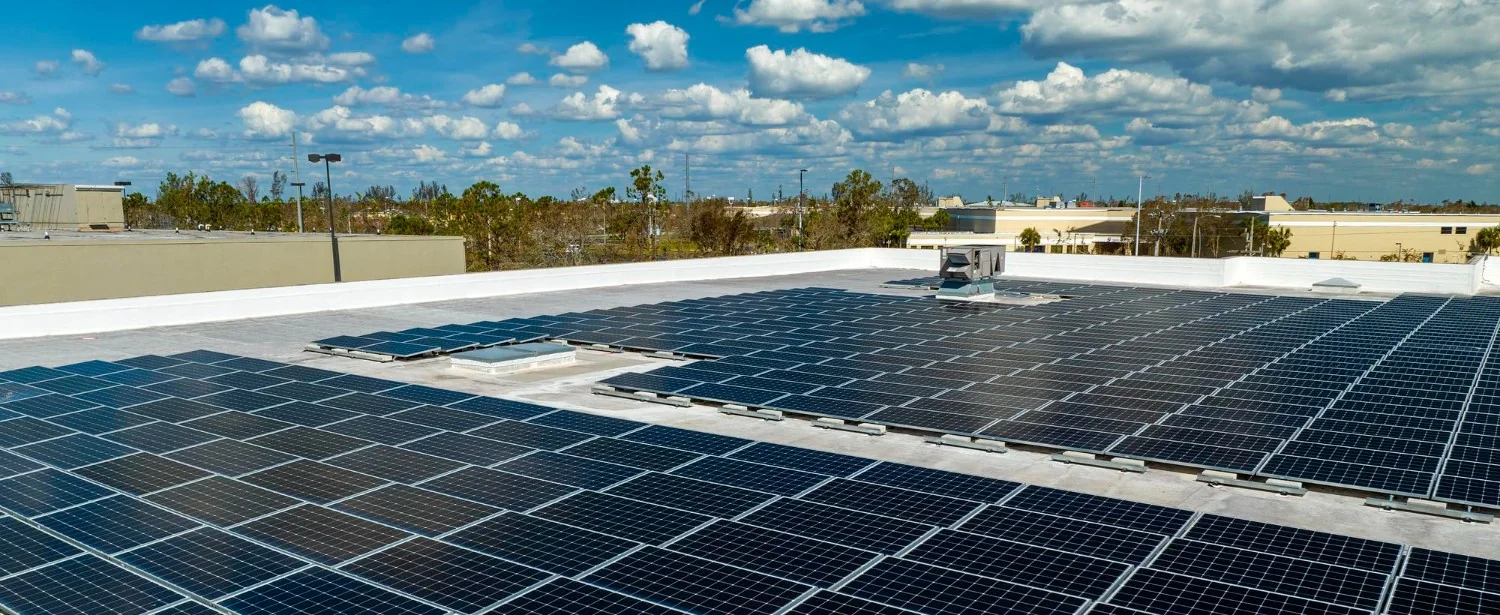
<ul><li><i>India’s rooftop solar capacity reached 30.7 GW in July 2026, increasing the need for better grid management and flexibility.</i></li><li><i>Kerala and Maharashtra are exploring battery ener…

• 𝘛𝘩𝘦 𝘌𝘐𝘉 𝘎𝘳𝘰𝘶𝘱 𝘱𝘭𝘢𝘯𝘴 𝘵𝘰 𝘱𝘳𝘰𝘷𝘪𝘥𝘦 𝘢𝘵 𝘭𝘦𝘢𝘴𝘵 €30 𝘣𝘪𝘭𝘭𝘪𝘰𝘯 𝘧𝘰𝘳 𝘤𝘭𝘪𝘮𝘢𝘵𝘦 𝘢𝘥𝘢𝘱𝘵𝘢𝘵𝘪𝘰𝘯 𝘣𝘦𝘵𝘸𝘦𝘦𝘯 2026 𝘢𝘯𝘥 2030. • 𝘛𝘩𝘦 𝘯𝘦𝘸 𝘵𝘢𝘳𝘨𝘦𝘵 𝘥𝘰𝘶𝘣𝘭𝘦𝘴 𝘢𝘥𝘢𝘱𝘵𝘢𝘵𝘪𝘰𝘯 𝘧𝘪𝘯𝘢𝘯𝘤𝘪𝘯𝘨 𝘤𝘰𝘮𝘱𝘢𝘳𝘦𝘥 𝘸𝘪𝘵𝘩 𝘵𝘩𝘦 𝘱𝘳𝘦𝘷𝘪𝘰𝘶𝘴 𝘧𝘪𝘷𝘦-𝘺𝘦𝘢𝘳 𝘱𝘦𝘳𝘪𝘰𝘥. • 𝘍𝘶𝘯𝘥𝘪𝘯𝘨…