

20 May 2026
The European Union and the European Bank for Reconstruction and Development (EBRD) have supported a $22 million financing package for Lebanon aimed at promoting sustainable investment and economic resilience. The financing, provided to retail group Spinneys Lebanon, will support expansion projects alongside energy efficiency and emissions reduction measures.
According to the EU in Lebanon, the financing package will help expand the company’s store network and increase production capacity while improving operational sustainability. Planned measures include investments to reduce energy consumption and lower carbon emissions across facilities and retail operations.
The initiative also marks the first deployment of a European Fund for Sustainable Development Plus (EFSD+) instrument in Lebanon, highlighting broader EU efforts to support sustainable economic recovery and private-sector resilience in the country. Officials described the agreement as an important milestone in EU-Lebanon cooperation during a period of ongoing economic and regional challenges.
The EBRD has recently expanded its support initiatives across Middle East economies affected by regional instability, with a focus on sustainable infrastructure, food security, energy resilience and economic recovery. The bank said it aims to increase investments that strengthen long-term resilience and support low-carbon development across the region.
EU-EBRD $22 million Spinneys Lebanon financing represents the first EFSD+ deployment in Lebanon, combining commercial expansion support with energy-efficiency and emissions-reduction investment. The dual-use structure demonstrates how sustainable-finance instruments can support commercial resilience and environmental performance simultaneously rather than treating them as trade-offs.
The context of Lebanon's economic-and-regional challenges is important. EBRD's Middle East expansion focused on infrastructure, food security, energy resilience and economic recovery addresses the substantive resilience-building agenda that fragile-context economies require. Sustainable finance in fragile contexts requires careful project selection and monitoring architecture.
For corporates operating in Lebanon and adjacent markets, financial institutions with Middle East fragile-context portfolio exposure, and development-finance institutions, Cognitud's responsible investment, sustainability due diligence and impact assessment teams help clients evaluate EFSD+ and EBRD-linked opportunities, structure long-term commercial arrangements aligned with sustainable-finance criteria, and prepare disclosures aligned with EBRD, ISSB and jurisdictional sustainable-finance frameworks.

• 𝘛𝘩𝘦 𝘜𝘈𝘌 𝘍𝘰𝘰𝘥 𝘉𝘢𝘯𝘬 𝘢𝘯𝘥 𝘋𝘶𝘣𝘢𝘪’𝘴 𝘊𝘰𝘮𝘮𝘶𝘯𝘪𝘵𝘺 𝘋𝘦𝘷𝘦𝘭𝘰𝘱𝘮𝘦𝘯𝘵 𝘈𝘶𝘵𝘩𝘰𝘳𝘪𝘵𝘺 (𝘊𝘋𝘈) 𝘩𝘢𝘷𝘦 𝘴𝘪𝘨𝘯𝘦𝘥 𝘢𝘯 𝘢𝘨𝘳𝘦𝘦𝘮𝘦𝘯𝘵 𝘵𝘰 𝘤𝘰𝘭𝘭𝘦𝘤𝘵 𝘢𝘯𝘥 𝘳𝘦𝘥𝘪𝘴𝘵𝘳𝘪𝘣𝘶𝘵𝘦 𝘴𝘶𝘳𝘱𝘭𝘶𝘴 𝘧𝘰𝘰𝘥 𝘧𝘳𝘰𝘮 𝘸𝘦𝘥𝘥𝘪𝘯𝘨𝘴 𝘢𝘯𝘥 𝘦𝘷𝘦𝘯𝘵𝘴. • 𝘛𝘩𝘦 𝘪𝘯𝘪𝘵𝘪𝘢𝘵𝘪𝘷𝘦 𝘸𝘪𝘭𝘭 𝘧𝘰𝘭𝘭𝘰𝘸 𝘢𝘱𝘱𝘳𝘰𝘷𝘦𝘥…
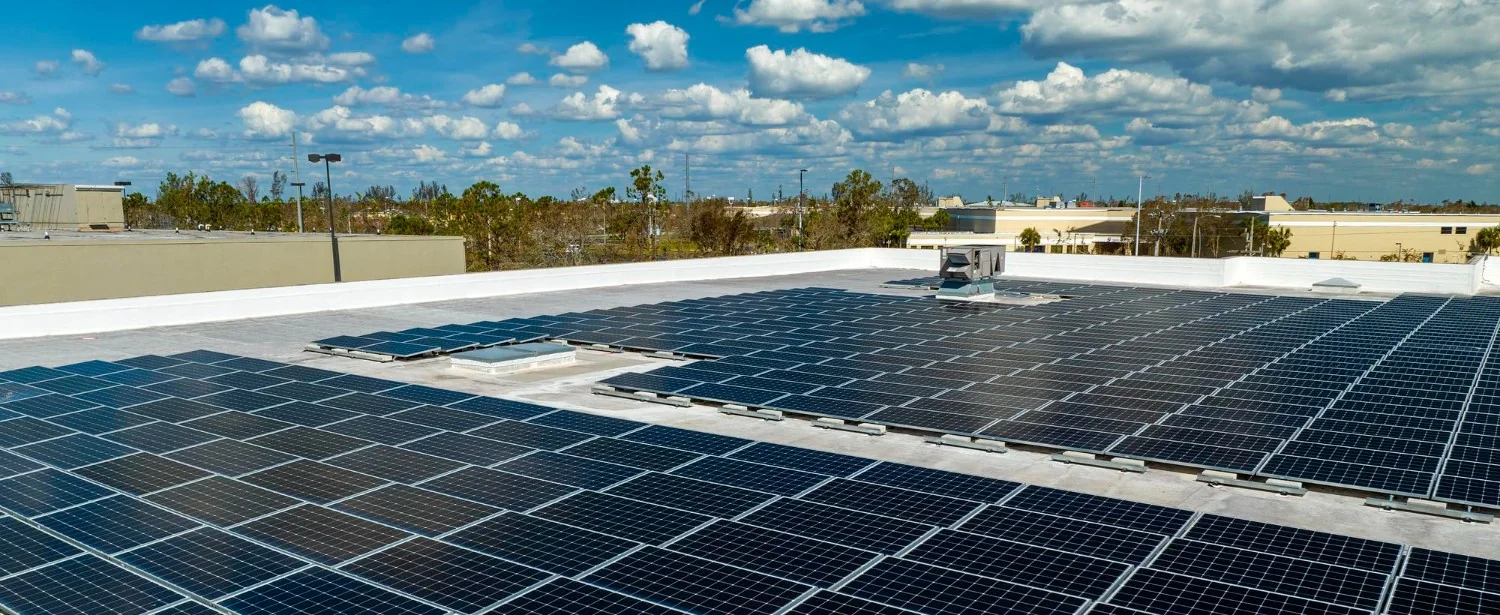
<ul><li><i>India’s rooftop solar capacity reached 30.7 GW in July 2026, increasing the need for better grid management and flexibility.</i></li><li><i>Kerala and Maharashtra are exploring battery ener…
• 𝘛𝘩𝘦 𝘌𝘐𝘉 𝘎𝘳𝘰𝘶𝘱 𝘱𝘭𝘢𝘯𝘴 𝘵𝘰 𝘱𝘳𝘰𝘷𝘪𝘥𝘦 𝘢𝘵 𝘭𝘦𝘢𝘴𝘵 €30 𝘣𝘪𝘭𝘭𝘪𝘰𝘯 𝘧𝘰𝘳 𝘤𝘭𝘪𝘮𝘢𝘵𝘦 𝘢𝘥𝘢𝘱𝘵𝘢𝘵𝘪𝘰𝘯 𝘣𝘦𝘵𝘸𝘦𝘦𝘯 2026 𝘢𝘯𝘥 2030. • 𝘛𝘩𝘦 𝘯𝘦𝘸 𝘵𝘢𝘳𝘨𝘦𝘵 𝘥𝘰𝘶𝘣𝘭𝘦𝘴 𝘢𝘥𝘢𝘱𝘵𝘢𝘵𝘪𝘰𝘯 𝘧𝘪𝘯𝘢𝘯𝘤𝘪𝘯𝘨 𝘤𝘰𝘮𝘱𝘢𝘳𝘦𝘥 𝘸𝘪𝘵𝘩 𝘵𝘩𝘦 𝘱𝘳𝘦𝘷𝘪𝘰𝘶𝘴 𝘧𝘪𝘷𝘦-𝘺𝘦𝘢𝘳 𝘱𝘦𝘳𝘪𝘰𝘥. • 𝘍𝘶𝘯𝘥𝘪𝘯𝘨…