

17 March 2026
The European Commission has adopted a new Strategy for a Competitive and Sustainable EU Bioeconomy, aimed at accelerating the transition toward a circular and low-carbon economy. The framework focuses on using renewable biological resources from land and sea to replace fossil-based materials and reduce environmental pressure.
The strategy promotes the resource-efficient and circular use of biomass, including agricultural residues, organic waste and by-products, to develop bio-based materials such as bioplastics, chemicals, textiles and construction inputs. It also seeks to scale up innovation and commercialisation of bio-based technologies across multiple sectors.
A key objective is to strengthen Europe’s economic resilience by reducing dependence on fossil imports while creating new income streams and jobs in rural areas. The bioeconomy already represents a significant part of the EU economy, and the new framework aims to unlock further growth by mobilising investment and supporting emerging industries.
The strategy also outlines measures to ensure a sustainable supply of biomass and to position the EU as a global leader in bio-based industries. By aligning environmental goals with industrial competitiveness, the initiative is expected to play a central role in advancing Europe’s broader climate and circular economy objectives.
The EU Bioeconomy Strategy positions bio-based materials - bioplastics, chemicals, textiles, construction inputs - as core to Europe's circular-economy transition. Replacing fossil-based inputs with renewable biological materials addresses both climate objectives (lower embodied carbon) and strategic dependency (reduced fossil-import reliance).
The rural-economic-development dimension is strategically important. Bioeconomy value chains typically anchor economic activity in rural areas - feedstock production, primary processing, bio-refining - creating employment and income opportunities that support broader rural revitalisation. EU regional policy alignment with bioeconomy development amplifies the multiplier effects.
For agricultural producers, chemical manufacturers, textile companies, construction-materials producers and financial institutions supporting bioeconomy investment, Cognitud's circular economy, sustainability due diligence and supply chain and operations teams help clients evaluate bio-based investment opportunities, structure supplier-engagement programmes across bioeconomy value chains, and prepare disclosures aligned with CSRD, ISSB and EU taxonomy expectations that increasingly determine access to sustainable-finance for bioeconomy-linked investment.
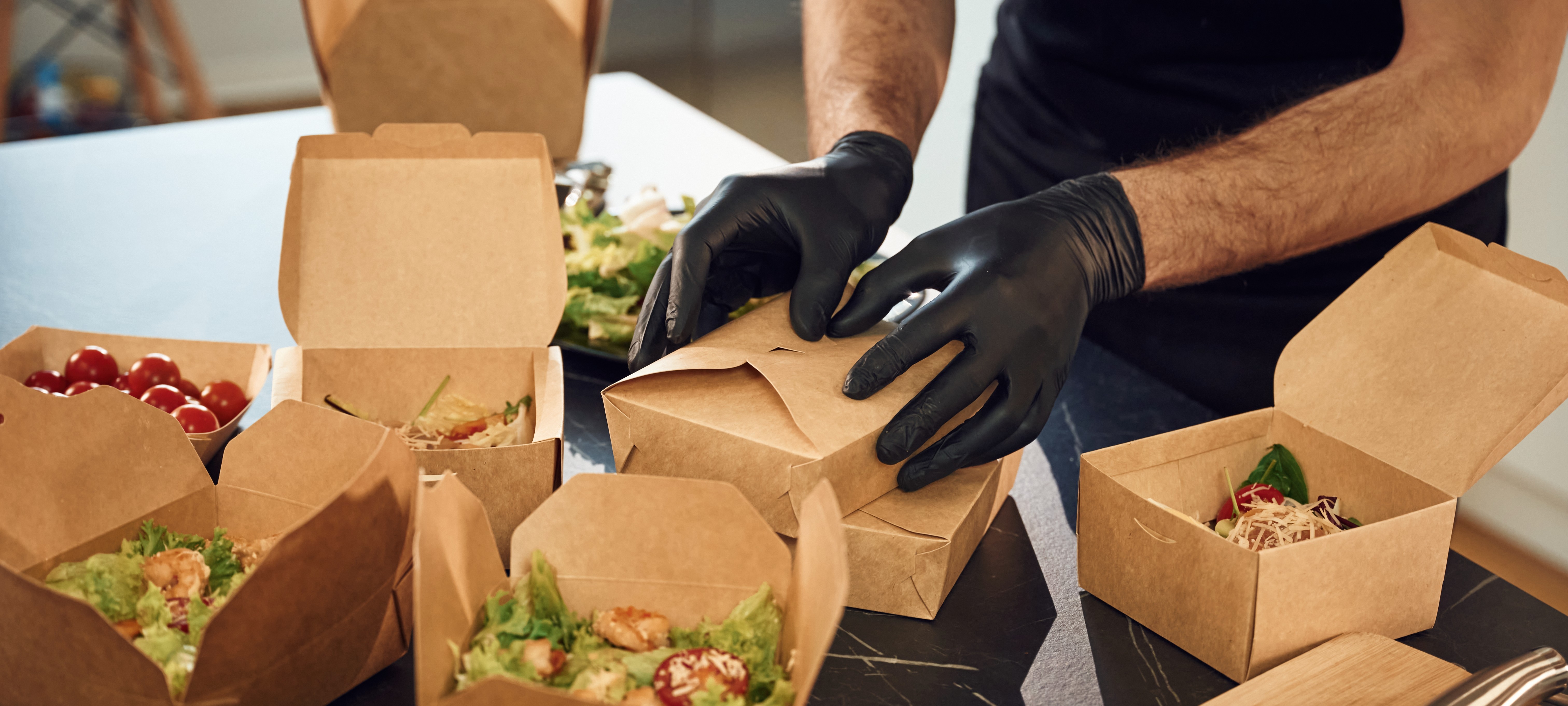
• 𝘛𝘩𝘦 𝘜𝘈𝘌 𝘍𝘰𝘰𝘥 𝘉𝘢𝘯𝘬 𝘢𝘯𝘥 𝘋𝘶𝘣𝘢𝘪’𝘴 𝘊𝘰𝘮𝘮𝘶𝘯𝘪𝘵𝘺 𝘋𝘦𝘷𝘦𝘭𝘰𝘱𝘮𝘦𝘯𝘵 𝘈𝘶𝘵𝘩𝘰𝘳𝘪𝘵𝘺 (𝘊𝘋𝘈) 𝘩𝘢𝘷𝘦 𝘴𝘪𝘨𝘯𝘦𝘥 𝘢𝘯 𝘢𝘨𝘳𝘦𝘦𝘮𝘦𝘯𝘵 𝘵𝘰 𝘤𝘰𝘭𝘭𝘦𝘤𝘵 𝘢𝘯𝘥 𝘳𝘦𝘥𝘪𝘴𝘵𝘳𝘪𝘣𝘶𝘵𝘦 𝘴𝘶𝘳𝘱𝘭𝘶𝘴 𝘧𝘰𝘰𝘥 𝘧𝘳𝘰𝘮 𝘸𝘦𝘥𝘥𝘪𝘯𝘨𝘴 𝘢𝘯𝘥 𝘦𝘷𝘦𝘯𝘵𝘴. • 𝘛𝘩𝘦 𝘪𝘯𝘪𝘵𝘪𝘢𝘵𝘪𝘷𝘦 𝘸𝘪𝘭𝘭 𝘧𝘰𝘭𝘭𝘰𝘸 𝘢𝘱𝘱𝘳𝘰𝘷𝘦𝘥…
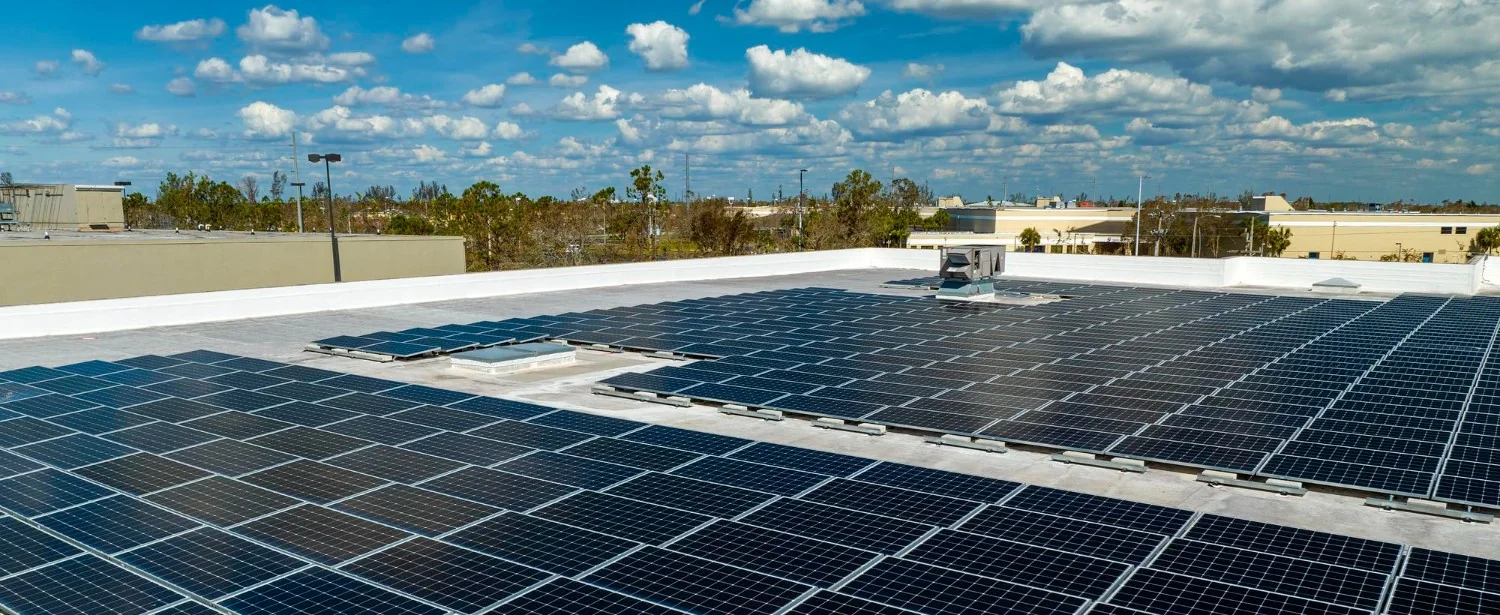
<ul><li><i>India’s rooftop solar capacity reached 30.7 GW in July 2026, increasing the need for better grid management and flexibility.</i></li><li><i>Kerala and Maharashtra are exploring battery ener…
• 𝘛𝘩𝘦 𝘌𝘐𝘉 𝘎𝘳𝘰𝘶𝘱 𝘱𝘭𝘢𝘯𝘴 𝘵𝘰 𝘱𝘳𝘰𝘷𝘪𝘥𝘦 𝘢𝘵 𝘭𝘦𝘢𝘴𝘵 €30 𝘣𝘪𝘭𝘭𝘪𝘰𝘯 𝘧𝘰𝘳 𝘤𝘭𝘪𝘮𝘢𝘵𝘦 𝘢𝘥𝘢𝘱𝘵𝘢𝘵𝘪𝘰𝘯 𝘣𝘦𝘵𝘸𝘦𝘦𝘯 2026 𝘢𝘯𝘥 2030. • 𝘛𝘩𝘦 𝘯𝘦𝘸 𝘵𝘢𝘳𝘨𝘦𝘵 𝘥𝘰𝘶𝘣𝘭𝘦𝘴 𝘢𝘥𝘢𝘱𝘵𝘢𝘵𝘪𝘰𝘯 𝘧𝘪𝘯𝘢𝘯𝘤𝘪𝘯𝘨 𝘤𝘰𝘮𝘱𝘢𝘳𝘦𝘥 𝘸𝘪𝘵𝘩 𝘵𝘩𝘦 𝘱𝘳𝘦𝘷𝘪𝘰𝘶𝘴 𝘧𝘪𝘷𝘦-𝘺𝘦𝘢𝘳 𝘱𝘦𝘳𝘪𝘰𝘥. • 𝘍𝘶𝘯𝘥𝘪𝘯𝘨…