

%20(1).jpg)
16 March 2026
The European Commission has adopted new state aid rules aimed at accelerating the transition to more sustainable transport systems across the bloc. The updated framework is designed to simplify how EU member states can provide financial support for greener transport modes, including rail, inland waterways and multimodal logistics.
The new guidelines replace the previous 2008 rules and introduce greater flexibility for governments to fund both infrastructure and operational improvements in low-carbon transport. By easing approval procedures, the Commission aims to enable faster deployment of sustainable transport projects and reduce administrative barriers.
A key objective of the reform is to shift freight and passenger transport away from more polluting modes, such as road transport, toward cleaner alternatives. The updated rules also clarify how public funding can be used to support investments in transport infrastructure and services that contribute to emissions reduction.
The measures form part of the EU’s broader climate strategy to reduce greenhouse gas emissions and achieve climate neutrality. By facilitating targeted public investment, the new framework is expected to strengthen Europe’s sustainable mobility transition while supporting economic competitiveness.
Updated state-aid frameworks for sustainable transport reflect the growing regulatory recognition that transport-sector decarbonisation requires more active public-sector support than market forces alone will deliver. Modal shift from road to rail and inland waterways delivers substantial emissions reductions per tonne-kilometre but requires infrastructure investment that private capital rarely funds standalone.
The rules replace 2008 guidelines that were developed before the current sustainability policy architecture existed. Simplification of state-aid approvals, combined with clearer criteria for what public support qualifies as EU-compatible, reduces the regulatory friction that has historically slowed sustainable-transport project delivery across member states.
For rail operators, logistics companies, port authorities, infrastructure investors and financial institutions supporting sustainable transport, Cognitud's energy transition, climate action and market intelligence teams help clients evaluate state-aid-eligible investment opportunities, structure public-private partnership arrangements aligned with EU frameworks, and prepare disclosures aligned with CSRD, ISSB and jurisdictional sustainable-transport frameworks that increasingly determine access to sustainable-finance.

• 𝘛𝘩𝘦 𝘜𝘈𝘌 𝘍𝘰𝘰𝘥 𝘉𝘢𝘯𝘬 𝘢𝘯𝘥 𝘋𝘶𝘣𝘢𝘪’𝘴 𝘊𝘰𝘮𝘮𝘶𝘯𝘪𝘵𝘺 𝘋𝘦𝘷𝘦𝘭𝘰𝘱𝘮𝘦𝘯𝘵 𝘈𝘶𝘵𝘩𝘰𝘳𝘪𝘵𝘺 (𝘊𝘋𝘈) 𝘩𝘢𝘷𝘦 𝘴𝘪𝘨𝘯𝘦𝘥 𝘢𝘯 𝘢𝘨𝘳𝘦𝘦𝘮𝘦𝘯𝘵 𝘵𝘰 𝘤𝘰𝘭𝘭𝘦𝘤𝘵 𝘢𝘯𝘥 𝘳𝘦𝘥𝘪𝘴𝘵𝘳𝘪𝘣𝘶𝘵𝘦 𝘴𝘶𝘳𝘱𝘭𝘶𝘴 𝘧𝘰𝘰𝘥 𝘧𝘳𝘰𝘮 𝘸𝘦𝘥𝘥𝘪𝘯𝘨𝘴 𝘢𝘯𝘥 𝘦𝘷𝘦𝘯𝘵𝘴. • 𝘛𝘩𝘦 𝘪𝘯𝘪𝘵𝘪𝘢𝘵𝘪𝘷𝘦 𝘸𝘪𝘭𝘭 𝘧𝘰𝘭𝘭𝘰𝘸 𝘢𝘱𝘱𝘳𝘰𝘷𝘦𝘥…
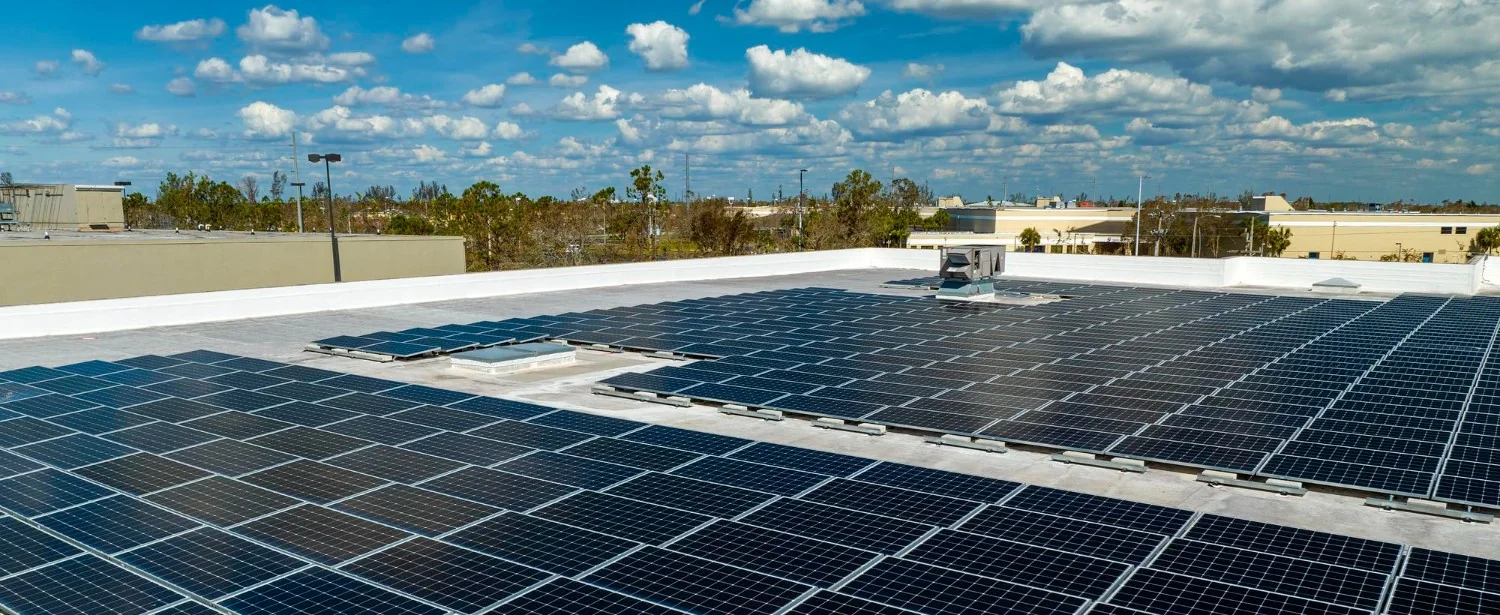
<ul><li><i>India’s rooftop solar capacity reached 30.7 GW in July 2026, increasing the need for better grid management and flexibility.</i></li><li><i>Kerala and Maharashtra are exploring battery ener…
• 𝘛𝘩𝘦 𝘌𝘐𝘉 𝘎𝘳𝘰𝘶𝘱 𝘱𝘭𝘢𝘯𝘴 𝘵𝘰 𝘱𝘳𝘰𝘷𝘪𝘥𝘦 𝘢𝘵 𝘭𝘦𝘢𝘴𝘵 €30 𝘣𝘪𝘭𝘭𝘪𝘰𝘯 𝘧𝘰𝘳 𝘤𝘭𝘪𝘮𝘢𝘵𝘦 𝘢𝘥𝘢𝘱𝘵𝘢𝘵𝘪𝘰𝘯 𝘣𝘦𝘵𝘸𝘦𝘦𝘯 2026 𝘢𝘯𝘥 2030. • 𝘛𝘩𝘦 𝘯𝘦𝘸 𝘵𝘢𝘳𝘨𝘦𝘵 𝘥𝘰𝘶𝘣𝘭𝘦𝘴 𝘢𝘥𝘢𝘱𝘵𝘢𝘵𝘪𝘰𝘯 𝘧𝘪𝘯𝘢𝘯𝘤𝘪𝘯𝘨 𝘤𝘰𝘮𝘱𝘢𝘳𝘦𝘥 𝘸𝘪𝘵𝘩 𝘵𝘩𝘦 𝘱𝘳𝘦𝘷𝘪𝘰𝘶𝘴 𝘧𝘪𝘷𝘦-𝘺𝘦𝘢𝘳 𝘱𝘦𝘳𝘪𝘰𝘥. • 𝘍𝘶𝘯𝘥𝘪𝘯𝘨…