


03 July 2025
In a major step toward self-sustainability and tribal empowerment, the Andaman and Nicobar Islands administration set up a Van Dhan Vikas Kendra (VDVK) for the Onge tribe at Dugong Creek, Little Andaman. This initiative, launched under the Pradhan Mantri Janjati Adivasi Nyay Maha Abhiyan, focused on turning traditional knowledge into sustainable livelihoods through coconut-based products like virgin coconut oil and premium copra.
Home to just 140 people, the Onge community-classified as a Particularly Vulnerable Tribal Group, received extensive training in coconut processing, oil extraction, and handling of specialised machinery. The VDVK provided essential toolkits and installed state-of-the-art cold-press equipment to ensure high-quality output while preserving the tribe’s traditional integrity and environment.
Registered under the Societies Registration Act, 1860, the VDVK was supported by a collaborative effort involving the Directorate of Tribal Welfare (nodal agency), Andaman Adim Janjati Vikas Samiti (State Implementation Agency), and the Directorate of Rural Development (training partner).
Adding to the momentum, nine Onge students passed the CBSE Class 10 exams for the first time, marking a historic educational milestone for the community. This initiative not only elevated economic opportunities but also reflected the administration’s commitment to the long-term welfare and dignity of tribal communities.
The Onge Van Dhan Vikas Kendra addresses the challenge of translating traditional knowledge into sustainable livelihoods for particularly vulnerable tribal groups. The virgin coconut oil and premium copra product architecture captures value-addition opportunity that raw-copra sales miss; cold-press equipment supports quality differentiation for premium-market positioning.
The multi-agency collaboration structure (Directorate of Tribal Welfare, Andaman Adim Janjati Vikas Samiti, Directorate of Rural Development) plus complementary education outcomes (9 CBSE Class 10 passes as historic first) reflects the integrated development approach that PVTG welfare requires. Livelihood and education programmes reinforce each other over generational timeframes.
For corporates with tribal-community engagement, financial institutions with rural-inclusive-finance mandates, non-profit organisations and consultancies supporting tribal-development programmes, Cognitud's impact assessment, CSR and community-impact and ESG strategy and transformation teams help clients evaluate tribal-community-partnership opportunities, structure long-term livelihood-and-welfare programmes, and prepare disclosures aligned with BRSR, ISSB and jurisdictional tribal-and-community-development frameworks.

• 𝘛𝘩𝘦 𝘜𝘈𝘌 𝘍𝘰𝘰𝘥 𝘉𝘢𝘯𝘬 𝘢𝘯𝘥 𝘋𝘶𝘣𝘢𝘪’𝘴 𝘊𝘰𝘮𝘮𝘶𝘯𝘪𝘵𝘺 𝘋𝘦𝘷𝘦𝘭𝘰𝘱𝘮𝘦𝘯𝘵 𝘈𝘶𝘵𝘩𝘰𝘳𝘪𝘵𝘺 (𝘊𝘋𝘈) 𝘩𝘢𝘷𝘦 𝘴𝘪𝘨𝘯𝘦𝘥 𝘢𝘯 𝘢𝘨𝘳𝘦𝘦𝘮𝘦𝘯𝘵 𝘵𝘰 𝘤𝘰𝘭𝘭𝘦𝘤𝘵 𝘢𝘯𝘥 𝘳𝘦𝘥𝘪𝘴𝘵𝘳𝘪𝘣𝘶𝘵𝘦 𝘴𝘶𝘳𝘱𝘭𝘶𝘴 𝘧𝘰𝘰𝘥 𝘧𝘳𝘰𝘮 𝘸𝘦𝘥𝘥𝘪𝘯𝘨𝘴 𝘢𝘯𝘥 𝘦𝘷𝘦𝘯𝘵𝘴. • 𝘛𝘩𝘦 𝘪𝘯𝘪𝘵𝘪𝘢𝘵𝘪𝘷𝘦 𝘸𝘪𝘭𝘭 𝘧𝘰𝘭𝘭𝘰𝘸 𝘢𝘱𝘱𝘳𝘰𝘷𝘦𝘥…
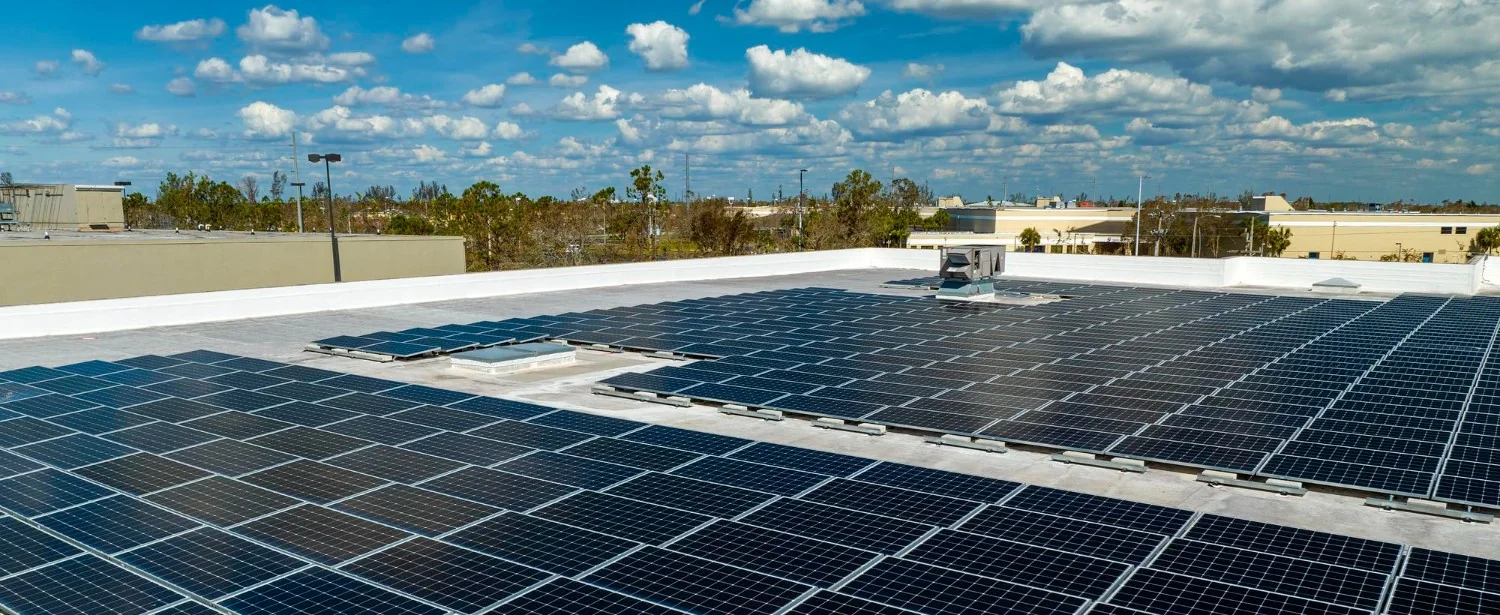
<ul><li><i>India’s rooftop solar capacity reached 30.7 GW in July 2026, increasing the need for better grid management and flexibility.</i></li><li><i>Kerala and Maharashtra are exploring battery ener…

• 𝘛𝘩𝘦 𝘌𝘐𝘉 𝘎𝘳𝘰𝘶𝘱 𝘱𝘭𝘢𝘯𝘴 𝘵𝘰 𝘱𝘳𝘰𝘷𝘪𝘥𝘦 𝘢𝘵 𝘭𝘦𝘢𝘴𝘵 €30 𝘣𝘪𝘭𝘭𝘪𝘰𝘯 𝘧𝘰𝘳 𝘤𝘭𝘪𝘮𝘢𝘵𝘦 𝘢𝘥𝘢𝘱𝘵𝘢𝘵𝘪𝘰𝘯 𝘣𝘦𝘵𝘸𝘦𝘦𝘯 2026 𝘢𝘯𝘥 2030. • 𝘛𝘩𝘦 𝘯𝘦𝘸 𝘵𝘢𝘳𝘨𝘦𝘵 𝘥𝘰𝘶𝘣𝘭𝘦𝘴 𝘢𝘥𝘢𝘱𝘵𝘢𝘵𝘪𝘰𝘯 𝘧𝘪𝘯𝘢𝘯𝘤𝘪𝘯𝘨 𝘤𝘰𝘮𝘱𝘢𝘳𝘦𝘥 𝘸𝘪𝘵𝘩 𝘵𝘩𝘦 𝘱𝘳𝘦𝘷𝘪𝘰𝘶𝘴 𝘧𝘪𝘷𝘦-𝘺𝘦𝘢𝘳 𝘱𝘦𝘳𝘪𝘰𝘥. • 𝘍𝘶𝘯𝘥𝘪𝘯𝘨…