

12 May 2026
Emirates Nature-WWF unveiled a new 2030 strategy on May 11, 2026, aimed at strengthening environmental resilience, climate action, and sustainable resource management across the UAE. The roadmap was approved during the organisation’s Annual General Assembly chaired by Mohammed Ahmed Al Bowardi as Emirates Nature-WWF marked its 25th anniversary.
The new strategy focuses on four core pillars: nature and wildlife conservation, food and water security, climate action, and resilience and preparedness. Officials said the initiative aligns with the UAE’s long-term sustainability priorities and builds on the environmental legacy of the late Sheikh Zayed bin Sultan Al Nahyan.
Mohammed Ahmed Al Bowardi stated that the organisation’s next phase will prioritise ecosystem restoration, sustainable livelihoods, and stronger community participation through volunteer programmes and citizen science initiatives. Laila Mostafa Abdullatif, Director General of Emirates Nature-WWF, said protecting mangroves, farms, fishing grounds, and natural habitats is essential for strengthening the UAE’s long-term resilience.
The strategy also places significant emphasis on restoring traditional Emirati environmental practices, including heritage mountain farms and falaj irrigation systems, while expanding conservation efforts for marine ecosystems and biodiversity. Officials noted that the roadmap supports broader UAE sustainability goals related to climate adaptation, food security, and community wellbeing.
During the assembly, Emirates Nature-WWF also reviewed several environmental achievements from 2025, including the rediscovery of the Arabian Caracal at Wadi Wurayah National Park and the organisation of more than 270 community events that generated around 40,000 biodiversity data points across the UAE.
Emirates Nature-WWF strategies shape UAE conservation-and-biodiversity project pipelines, and they matter for corporates thinking about TNFD-aligned nature disclosure and biodiversity credit participation. Our nature-based-solutions and impact-assessment teams help clients evaluate biodiversity-partnership opportunities and disclosure alignment.

• 𝘛𝘩𝘦 𝘜𝘈𝘌 𝘍𝘰𝘰𝘥 𝘉𝘢𝘯𝘬 𝘢𝘯𝘥 𝘋𝘶𝘣𝘢𝘪’𝘴 𝘊𝘰𝘮𝘮𝘶𝘯𝘪𝘵𝘺 𝘋𝘦𝘷𝘦𝘭𝘰𝘱𝘮𝘦𝘯𝘵 𝘈𝘶𝘵𝘩𝘰𝘳𝘪𝘵𝘺 (𝘊𝘋𝘈) 𝘩𝘢𝘷𝘦 𝘴𝘪𝘨𝘯𝘦𝘥 𝘢𝘯 𝘢𝘨𝘳𝘦𝘦𝘮𝘦𝘯𝘵 𝘵𝘰 𝘤𝘰𝘭𝘭𝘦𝘤𝘵 𝘢𝘯𝘥 𝘳𝘦𝘥𝘪𝘴𝘵𝘳𝘪𝘣𝘶𝘵𝘦 𝘴𝘶𝘳𝘱𝘭𝘶𝘴 𝘧𝘰𝘰𝘥 𝘧𝘳𝘰𝘮 𝘸𝘦𝘥𝘥𝘪𝘯𝘨𝘴 𝘢𝘯𝘥 𝘦𝘷𝘦𝘯𝘵𝘴. • 𝘛𝘩𝘦 𝘪𝘯𝘪𝘵𝘪𝘢𝘵𝘪𝘷𝘦 𝘸𝘪𝘭𝘭 𝘧𝘰𝘭𝘭𝘰𝘸 𝘢𝘱𝘱𝘳𝘰𝘷𝘦𝘥…
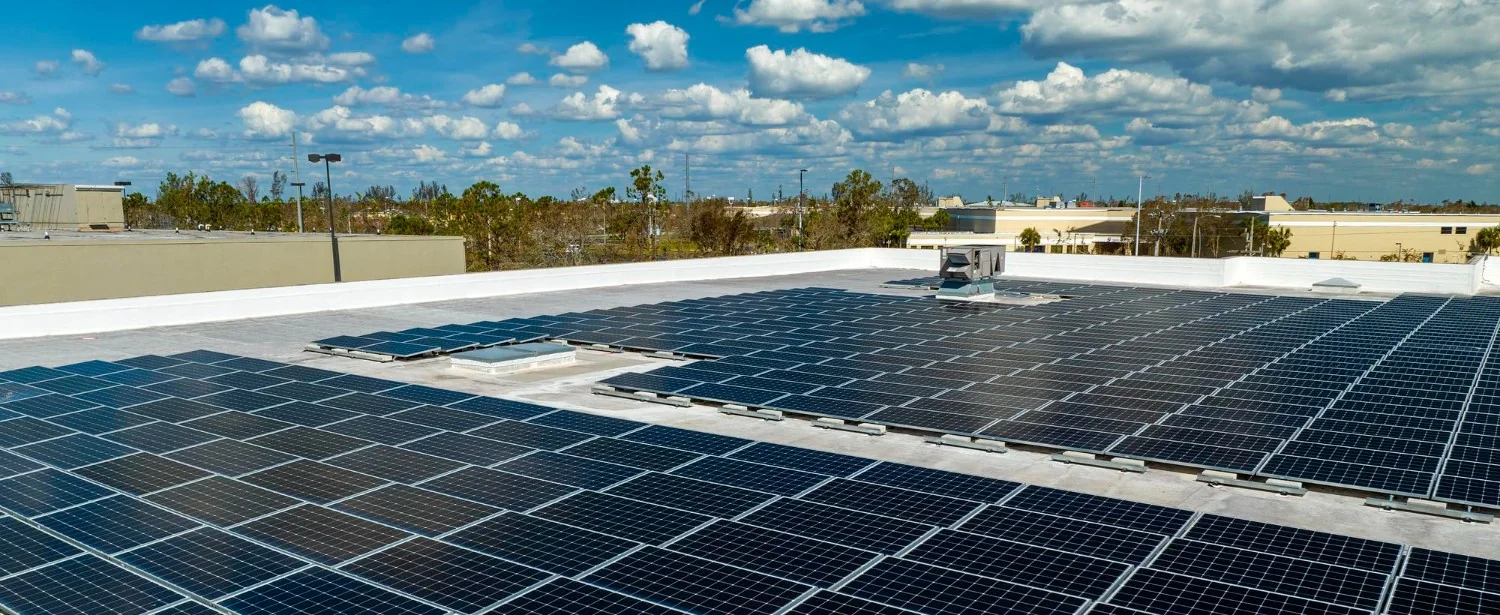
<ul><li><i>India’s rooftop solar capacity reached 30.7 GW in July 2026, increasing the need for better grid management and flexibility.</i></li><li><i>Kerala and Maharashtra are exploring battery ener…

• 𝘛𝘩𝘦 𝘌𝘐𝘉 𝘎𝘳𝘰𝘶𝘱 𝘱𝘭𝘢𝘯𝘴 𝘵𝘰 𝘱𝘳𝘰𝘷𝘪𝘥𝘦 𝘢𝘵 𝘭𝘦𝘢𝘴𝘵 €30 𝘣𝘪𝘭𝘭𝘪𝘰𝘯 𝘧𝘰𝘳 𝘤𝘭𝘪𝘮𝘢𝘵𝘦 𝘢𝘥𝘢𝘱𝘵𝘢𝘵𝘪𝘰𝘯 𝘣𝘦𝘵𝘸𝘦𝘦𝘯 2026 𝘢𝘯𝘥 2030. • 𝘛𝘩𝘦 𝘯𝘦𝘸 𝘵𝘢𝘳𝘨𝘦𝘵 𝘥𝘰𝘶𝘣𝘭𝘦𝘴 𝘢𝘥𝘢𝘱𝘵𝘢𝘵𝘪𝘰𝘯 𝘧𝘪𝘯𝘢𝘯𝘤𝘪𝘯𝘨 𝘤𝘰𝘮𝘱𝘢𝘳𝘦𝘥 𝘸𝘪𝘵𝘩 𝘵𝘩𝘦 𝘱𝘳𝘦𝘷𝘪𝘰𝘶𝘴 𝘧𝘪𝘷𝘦-𝘺𝘦𝘢𝘳 𝘱𝘦𝘳𝘪𝘰𝘥. • 𝘍𝘶𝘯𝘥𝘪𝘯𝘨…