

09 April 2026
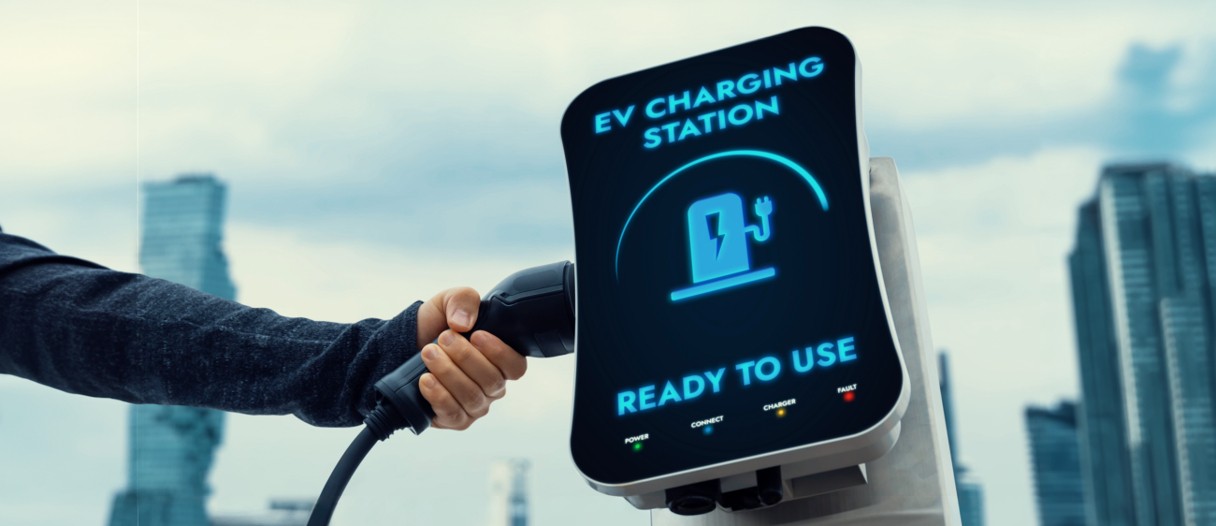
Dubai has announced plans to install electric vehicle (EV) charging stations in mosque parking areas across the emirate, as part of its broader push toward sustainable mobility and smart infrastructure. The initiative is being led by the Islamic Affairs and Charitable Activities Department (IACAD) in partnership with the UAE’s EV infrastructure provider, under a formal agreement signed in April 2026.
The agreement grants permissions to develop and operate EV charging infrastructure at selected mosque sites, with the project spanning eight years and including an option for renewal. The rollout will involve installation, maintenance, performance monitoring, and integration of smart payment systems, ensuring a seamless user experience for EV drivers.
This initiative reflects Dubai’s strategy to embed sustainability into everyday public spaces by transforming mosques into multi-functional community hubs. Authorities highlighted that integrating EV charging into such locations will improve accessibility to clean mobility solutions while supporting the city’s transition to low-emission transport systems.
The move aligns with Dubai’s wider environmental and smart city goals, including expanding EV infrastructure and reducing carbon emissions. By leveraging high-footfall community spaces, the government aims to accelerate EV adoption and reinforce its long-term commitment to sustainable urban development and energy-efficient infrastructure.
Mosque-based EV charging combined with eight-year IACAD-partner agreement reflects innovative use of high-footfall community spaces for EV-infrastructure expansion. Charging network density is a critical determinant of EV adoption; leveraging existing community-infrastructure sites accelerates network build-out at substantially lower cost than dedicated site development.
The multi-functional-community-hub framing is analytically important. Modern community spaces increasingly integrate multiple services - retail, financial, connectivity, mobility - into single accessible locations. Well-designed integration reduces per-service infrastructure cost while improving user convenience across all integrated services.
For EV-infrastructure developers, charging-network operators, real-estate and community-space managers, financial institutions and technology providers active in Gulf EV-infrastructure investment, Cognitud's climate action, energy transition and impact assessment teams help clients evaluate community-space EV-infrastructure opportunities, structure long-term commercial arrangements aligned with Dubai's smart-city priorities, and prepare disclosures aligned with UAE net-zero 2050, ISSB and jurisdictional sustainable-mobility frameworks.

• 𝘛𝘩𝘦 𝘜𝘈𝘌 𝘍𝘰𝘰𝘥 𝘉𝘢𝘯𝘬 𝘢𝘯𝘥 𝘋𝘶𝘣𝘢𝘪’𝘴 𝘊𝘰𝘮𝘮𝘶𝘯𝘪𝘵𝘺 𝘋𝘦𝘷𝘦𝘭𝘰𝘱𝘮𝘦𝘯𝘵 𝘈𝘶𝘵𝘩𝘰𝘳𝘪𝘵𝘺 (𝘊𝘋𝘈) 𝘩𝘢𝘷𝘦 𝘴𝘪𝘨𝘯𝘦𝘥 𝘢𝘯 𝘢𝘨𝘳𝘦𝘦𝘮𝘦𝘯𝘵 𝘵𝘰 𝘤𝘰𝘭𝘭𝘦𝘤𝘵 𝘢𝘯𝘥 𝘳𝘦𝘥𝘪𝘴𝘵𝘳𝘪𝘣𝘶𝘵𝘦 𝘴𝘶𝘳𝘱𝘭𝘶𝘴 𝘧𝘰𝘰𝘥 𝘧𝘳𝘰𝘮 𝘸𝘦𝘥𝘥𝘪𝘯𝘨𝘴 𝘢𝘯𝘥 𝘦𝘷𝘦𝘯𝘵𝘴. • 𝘛𝘩𝘦 𝘪𝘯𝘪𝘵𝘪𝘢𝘵𝘪𝘷𝘦 𝘸𝘪𝘭𝘭 𝘧𝘰𝘭𝘭𝘰𝘸 𝘢𝘱𝘱𝘳𝘰𝘷𝘦𝘥…

<ul><li><i>India’s rooftop solar capacity reached 30.7 GW in July 2026, increasing the need for better grid management and flexibility.</i></li><li><i>Kerala and Maharashtra are exploring battery ener…

• 𝘛𝘩𝘦 𝘌𝘐𝘉 𝘎𝘳𝘰𝘶𝘱 𝘱𝘭𝘢𝘯𝘴 𝘵𝘰 𝘱𝘳𝘰𝘷𝘪𝘥𝘦 𝘢𝘵 𝘭𝘦𝘢𝘴𝘵 €30 𝘣𝘪𝘭𝘭𝘪𝘰𝘯 𝘧𝘰𝘳 𝘤𝘭𝘪𝘮𝘢𝘵𝘦 𝘢𝘥𝘢𝘱𝘵𝘢𝘵𝘪𝘰𝘯 𝘣𝘦𝘵𝘸𝘦𝘦𝘯 2026 𝘢𝘯𝘥 2030. • 𝘛𝘩𝘦 𝘯𝘦𝘸 𝘵𝘢𝘳𝘨𝘦𝘵 𝘥𝘰𝘶𝘣𝘭𝘦𝘴 𝘢𝘥𝘢𝘱𝘵𝘢𝘵𝘪𝘰𝘯 𝘧𝘪𝘯𝘢𝘯𝘤𝘪𝘯𝘨 𝘤𝘰𝘮𝘱𝘢𝘳𝘦𝘥 𝘸𝘪𝘵𝘩 𝘵𝘩𝘦 𝘱𝘳𝘦𝘷𝘪𝘰𝘶𝘴 𝘧𝘪𝘷𝘦-𝘺𝘦𝘢𝘳 𝘱𝘦𝘳𝘪𝘰𝘥. • 𝘍𝘶𝘯𝘥𝘪𝘯𝘨…