

19 January 2026
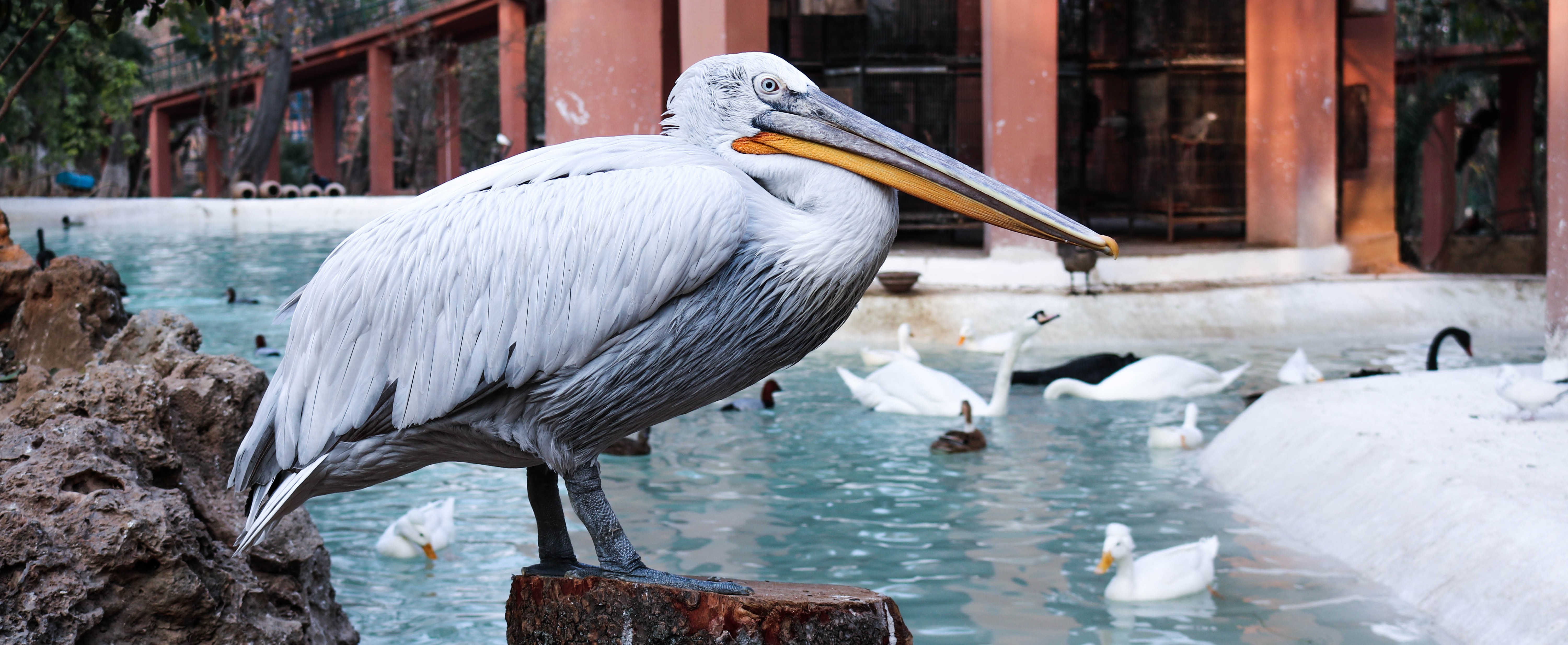
Dubai Municipality has launched the “Fountains of Mercy” project, a sustainability-oriented initiative that will install 50 dedicated water fountains across the emirate to provide drinking water for birds and other wildlife throughout the year. The project reflects Dubai’s growing focus on integrating environmental stewardship into urban planning and biodiversity protection.
Half of the fountains will be placed in urban areas - parks, squares and green corridors - where resident and migratory birds can access safe drinking water amid dense development. The remaining fountains will be located in desert and rural zones to support wild animals that struggle to find reliable water sources in the arid climate. This dual placement acknowledges the diverse habitats within the emirate and the need to support ecosystems both inside and outside the city.
Each fountain is powered by solar energy, reinforcing the initiative’s sustainability credentials and reducing dependency on conventional electricity. The durable, weather-resilient installations are designed for low maintenance and continuous operation, ensuring that water is available even during the hottest summer months or cooler winter times, when natural sources may dry up.
The Fountains of Mercy project aligns with broader biodiversity goals of the emirate and national climate objectives, demonstrating an innovative intersection of environmental care, civic values and sustainable design. By improving access to water for wildlife, Dubai is enhancing ecosystem resilience, supporting animal welfare and reminding residents and visitors alike of the importance of living in harmony with nature.
Urban biodiversity initiatives are quietly reshaping how city sustainability rankings and TNFD-aligned corporate disclosure get built, especially for real-estate and hospitality operators using the location narrative in their reporting. Our nature-based-solutions and impact-assessment teams help clients evaluate urban-nature engagement opportunities and disclosure alignment.

• 𝘛𝘩𝘦 𝘜𝘈𝘌 𝘍𝘰𝘰𝘥 𝘉𝘢𝘯𝘬 𝘢𝘯𝘥 𝘋𝘶𝘣𝘢𝘪’𝘴 𝘊𝘰𝘮𝘮𝘶𝘯𝘪𝘵𝘺 𝘋𝘦𝘷𝘦𝘭𝘰𝘱𝘮𝘦𝘯𝘵 𝘈𝘶𝘵𝘩𝘰𝘳𝘪𝘵𝘺 (𝘊𝘋𝘈) 𝘩𝘢𝘷𝘦 𝘴𝘪𝘨𝘯𝘦𝘥 𝘢𝘯 𝘢𝘨𝘳𝘦𝘦𝘮𝘦𝘯𝘵 𝘵𝘰 𝘤𝘰𝘭𝘭𝘦𝘤𝘵 𝘢𝘯𝘥 𝘳𝘦𝘥𝘪𝘴𝘵𝘳𝘪𝘣𝘶𝘵𝘦 𝘴𝘶𝘳𝘱𝘭𝘶𝘴 𝘧𝘰𝘰𝘥 𝘧𝘳𝘰𝘮 𝘸𝘦𝘥𝘥𝘪𝘯𝘨𝘴 𝘢𝘯𝘥 𝘦𝘷𝘦𝘯𝘵𝘴. • 𝘛𝘩𝘦 𝘪𝘯𝘪𝘵𝘪𝘢𝘵𝘪𝘷𝘦 𝘸𝘪𝘭𝘭 𝘧𝘰𝘭𝘭𝘰𝘸 𝘢𝘱𝘱𝘳𝘰𝘷𝘦𝘥…
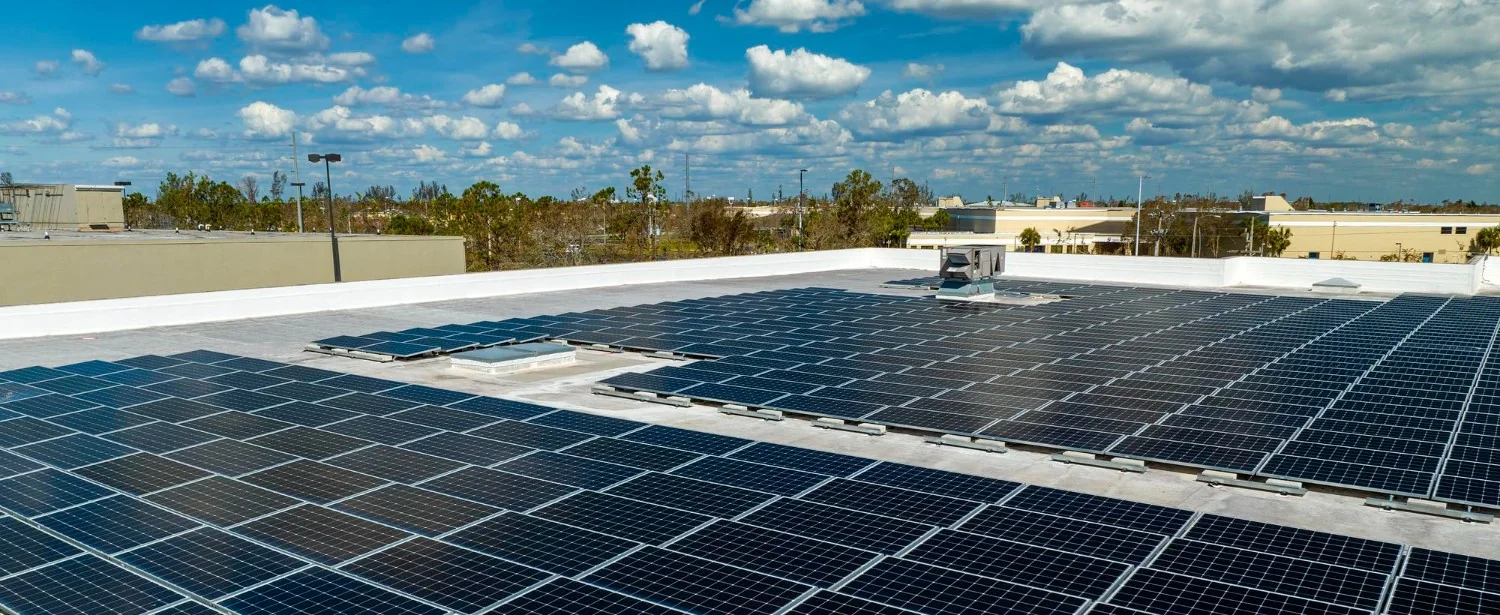
<ul><li><i>India’s rooftop solar capacity reached 30.7 GW in July 2026, increasing the need for better grid management and flexibility.</i></li><li><i>Kerala and Maharashtra are exploring battery ener…

• 𝘛𝘩𝘦 𝘌𝘐𝘉 𝘎𝘳𝘰𝘶𝘱 𝘱𝘭𝘢𝘯𝘴 𝘵𝘰 𝘱𝘳𝘰𝘷𝘪𝘥𝘦 𝘢𝘵 𝘭𝘦𝘢𝘴𝘵 €30 𝘣𝘪𝘭𝘭𝘪𝘰𝘯 𝘧𝘰𝘳 𝘤𝘭𝘪𝘮𝘢𝘵𝘦 𝘢𝘥𝘢𝘱𝘵𝘢𝘵𝘪𝘰𝘯 𝘣𝘦𝘵𝘸𝘦𝘦𝘯 2026 𝘢𝘯𝘥 2030. • 𝘛𝘩𝘦 𝘯𝘦𝘸 𝘵𝘢𝘳𝘨𝘦𝘵 𝘥𝘰𝘶𝘣𝘭𝘦𝘴 𝘢𝘥𝘢𝘱𝘵𝘢𝘵𝘪𝘰𝘯 𝘧𝘪𝘯𝘢𝘯𝘤𝘪𝘯𝘨 𝘤𝘰𝘮𝘱𝘢𝘳𝘦𝘥 𝘸𝘪𝘵𝘩 𝘵𝘩𝘦 𝘱𝘳𝘦𝘷𝘪𝘰𝘶𝘴 𝘧𝘪𝘷𝘦-𝘺𝘦𝘢𝘳 𝘱𝘦𝘳𝘪𝘰𝘥. • 𝘍𝘶𝘯𝘥𝘪𝘯𝘨…