

04 May 2026
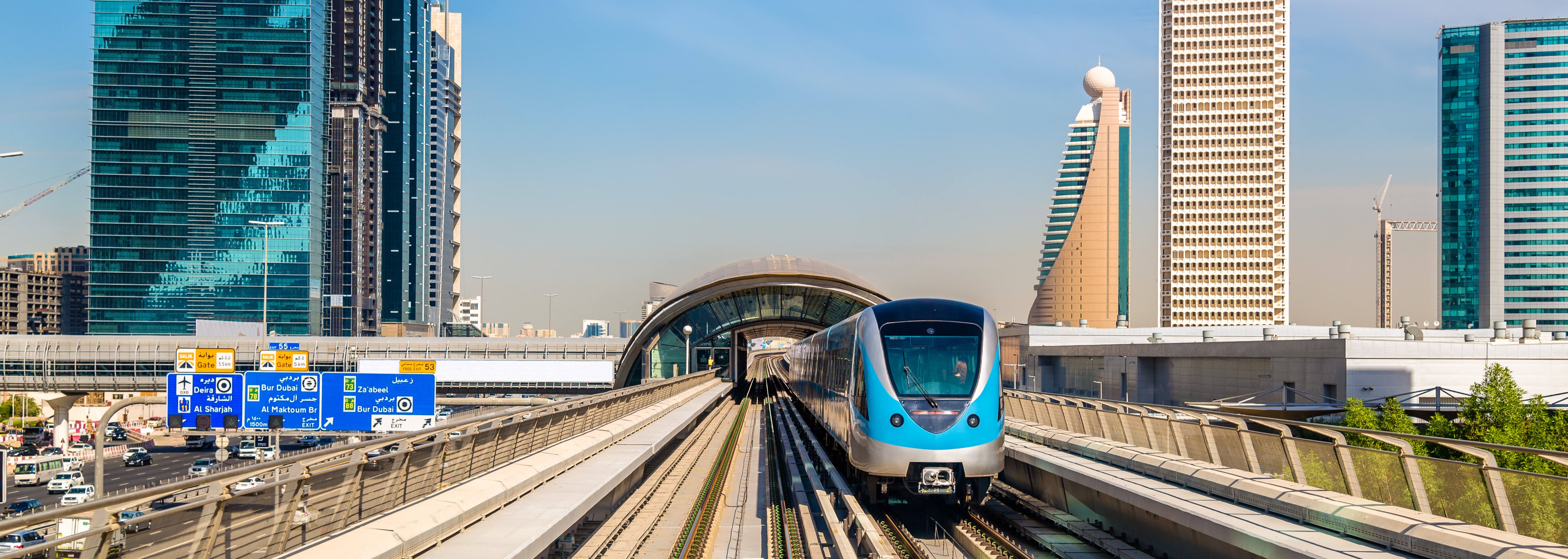
Dubai has officially launched tunnelling works for its ambitious Metro Blue Line project, marking a major step in expanding sustainable urban transport infrastructure across the city. The project was inaugurated by Sheikh Mohammed bin Rashid Al Maktoum and is valued at approximately $5.6 billion (Dh20.5 billion), forming a key part of Dubai’s long-term strategy to build a more connected and environmentally efficient city.
The Blue Line will span around 30 kilometres and include 14 stations, connecting major residential, commercial, and emerging urban districts. It is designed to serve nearly one million residents and integrate seamlessly with existing metro lines, reinforcing Dubai’s broader public transport network and supporting population growth under the Dubai 2040 Urban Master Plan.
A major objective of the project is to reduce road congestion and shift commuters toward public transport, with authorities estimating a potential 20% reduction in traffic in key corridors. The metro line is also being developed in line with green building standards, making it one of Dubai’s most sustainability-focused infrastructure projects to date.
Scheduled for completion by September 2029, the Blue Line is expected to deliver long-term environmental and economic benefits, including lower emissions, improved mobility, and increased property value near transit corridors. As part of a broader transport expansion strategy, the project reflects Dubai’s continued investment in sustainable urban development and future-ready infrastructure systems.
A $5.6 billion metro expansion is one of the highest-leverage decarbonisation investments a city like Dubai can make - private-vehicle displacement typically generates larger cumulative emission cuts than most industrial decarbonisation programmes. Our climate-action and impact-assessment teams help clients evaluate how urban mobility investments reshape Scope 3 emissions and long-term real-estate valuation exposure.

• 𝘛𝘩𝘦 𝘜𝘈𝘌 𝘍𝘰𝘰𝘥 𝘉𝘢𝘯𝘬 𝘢𝘯𝘥 𝘋𝘶𝘣𝘢𝘪’𝘴 𝘊𝘰𝘮𝘮𝘶𝘯𝘪𝘵𝘺 𝘋𝘦𝘷𝘦𝘭𝘰𝘱𝘮𝘦𝘯𝘵 𝘈𝘶𝘵𝘩𝘰𝘳𝘪𝘵𝘺 (𝘊𝘋𝘈) 𝘩𝘢𝘷𝘦 𝘴𝘪𝘨𝘯𝘦𝘥 𝘢𝘯 𝘢𝘨𝘳𝘦𝘦𝘮𝘦𝘯𝘵 𝘵𝘰 𝘤𝘰𝘭𝘭𝘦𝘤𝘵 𝘢𝘯𝘥 𝘳𝘦𝘥𝘪𝘴𝘵𝘳𝘪𝘣𝘶𝘵𝘦 𝘴𝘶𝘳𝘱𝘭𝘶𝘴 𝘧𝘰𝘰𝘥 𝘧𝘳𝘰𝘮 𝘸𝘦𝘥𝘥𝘪𝘯𝘨𝘴 𝘢𝘯𝘥 𝘦𝘷𝘦𝘯𝘵𝘴. • 𝘛𝘩𝘦 𝘪𝘯𝘪𝘵𝘪𝘢𝘵𝘪𝘷𝘦 𝘸𝘪𝘭𝘭 𝘧𝘰𝘭𝘭𝘰𝘸 𝘢𝘱𝘱𝘳𝘰𝘷𝘦𝘥…

<ul><li><i>India’s rooftop solar capacity reached 30.7 GW in July 2026, increasing the need for better grid management and flexibility.</i></li><li><i>Kerala and Maharashtra are exploring battery ener…

• 𝘛𝘩𝘦 𝘌𝘐𝘉 𝘎𝘳𝘰𝘶𝘱 𝘱𝘭𝘢𝘯𝘴 𝘵𝘰 𝘱𝘳𝘰𝘷𝘪𝘥𝘦 𝘢𝘵 𝘭𝘦𝘢𝘴𝘵 €30 𝘣𝘪𝘭𝘭𝘪𝘰𝘯 𝘧𝘰𝘳 𝘤𝘭𝘪𝘮𝘢𝘵𝘦 𝘢𝘥𝘢𝘱𝘵𝘢𝘵𝘪𝘰𝘯 𝘣𝘦𝘵𝘸𝘦𝘦𝘯 2026 𝘢𝘯𝘥 2030. • 𝘛𝘩𝘦 𝘯𝘦𝘸 𝘵𝘢𝘳𝘨𝘦𝘵 𝘥𝘰𝘶𝘣𝘭𝘦𝘴 𝘢𝘥𝘢𝘱𝘵𝘢𝘵𝘪𝘰𝘯 𝘧𝘪𝘯𝘢𝘯𝘤𝘪𝘯𝘨 𝘤𝘰𝘮𝘱𝘢𝘳𝘦𝘥 𝘸𝘪𝘵𝘩 𝘵𝘩𝘦 𝘱𝘳𝘦𝘷𝘪𝘰𝘶𝘴 𝘧𝘪𝘷𝘦-𝘺𝘦𝘢𝘳 𝘱𝘦𝘳𝘪𝘰𝘥. • 𝘍𝘶𝘯𝘥𝘪𝘯𝘨…