

.jpg)
11 May 2026
Dubai Municipality announced on May 10, 2026, that the emirate added nearly 300,000 square metres of landscaped and green areas during the first quarter of the year, as part of Dubai’s long-term sustainability and urban development strategy. According to figures published on the Dubai Data platform, Dubai’s total green coverage reached 55.52 million square metres by the end of March 2026.
The expansion forms part of the Dubai Parks and Greenery Strategy and the wider Blue and Green Spaces Roadmap 2030, which aim to improve environmental sustainability, enhance biodiversity, and strengthen quality of life across the emirate. Dubai Municipality said green spaces remain a key priority as the city works to balance rapid urban growth with climate-conscious planning.
Municipal teams are continuing large-scale greening projects through tree-planting campaigns, landscaped roads, public gardens, and upgraded community parks. Authorities stated that modern irrigation systems and sustainable water management technologies are being used to support long-term environmental efficiency in the emirate’s arid climate.
The latest expansion comes as Dubai Municipality prepares to open 35 new parks across 23 residential communities in 2026, backed by an investment of AED348 million. The initiative, announced in April 2026, is aligned with the Dubai 2040 Urban Master Plan, which aims to create more walkable, people-centric neighbourhoods with accessible green and recreational spaces.
Nearly 300,000 square metres added in Q1 2026 bringing total green coverage to 55.52 million square metres reflects sustained execution of Dubai Parks and Greenery Strategy and Blue and Green Spaces Roadmap 2030. Sustained per-quarter deployment at this scale is difficult to maintain without institutional-and-funding continuity.
The arid-climate irrigation-and-water-management dimension is analytically important. Green-space expansion in Gulf environments creates substantial water demand; sustainable delivery requires modern irrigation systems, treated-wastewater use for irrigation and species selection appropriate to climate. Poorly-designed programmes generate water-supply stress that undermines broader sustainability goals.
For landscape-and-irrigation technology providers, real-estate developers, tourism operators, financial institutions and consultancies with Gulf sustainable-urban investment exposure, Cognitud's nature-based solutions, climate action and impact assessment teams help clients evaluate green-space-programme-linked opportunities, structure long-term commercial arrangements aligned with Dubai 2040 Urban Master Plan priorities, and prepare disclosures aligned with TNFD, ISSB and jurisdictional sustainable-city frameworks.

• 𝘛𝘩𝘦 𝘜𝘈𝘌 𝘍𝘰𝘰𝘥 𝘉𝘢𝘯𝘬 𝘢𝘯𝘥 𝘋𝘶𝘣𝘢𝘪’𝘴 𝘊𝘰𝘮𝘮𝘶𝘯𝘪𝘵𝘺 𝘋𝘦𝘷𝘦𝘭𝘰𝘱𝘮𝘦𝘯𝘵 𝘈𝘶𝘵𝘩𝘰𝘳𝘪𝘵𝘺 (𝘊𝘋𝘈) 𝘩𝘢𝘷𝘦 𝘴𝘪𝘨𝘯𝘦𝘥 𝘢𝘯 𝘢𝘨𝘳𝘦𝘦𝘮𝘦𝘯𝘵 𝘵𝘰 𝘤𝘰𝘭𝘭𝘦𝘤𝘵 𝘢𝘯𝘥 𝘳𝘦𝘥𝘪𝘴𝘵𝘳𝘪𝘣𝘶𝘵𝘦 𝘴𝘶𝘳𝘱𝘭𝘶𝘴 𝘧𝘰𝘰𝘥 𝘧𝘳𝘰𝘮 𝘸𝘦𝘥𝘥𝘪𝘯𝘨𝘴 𝘢𝘯𝘥 𝘦𝘷𝘦𝘯𝘵𝘴. • 𝘛𝘩𝘦 𝘪𝘯𝘪𝘵𝘪𝘢𝘵𝘪𝘷𝘦 𝘸𝘪𝘭𝘭 𝘧𝘰𝘭𝘭𝘰𝘸 𝘢𝘱𝘱𝘳𝘰𝘷𝘦𝘥…
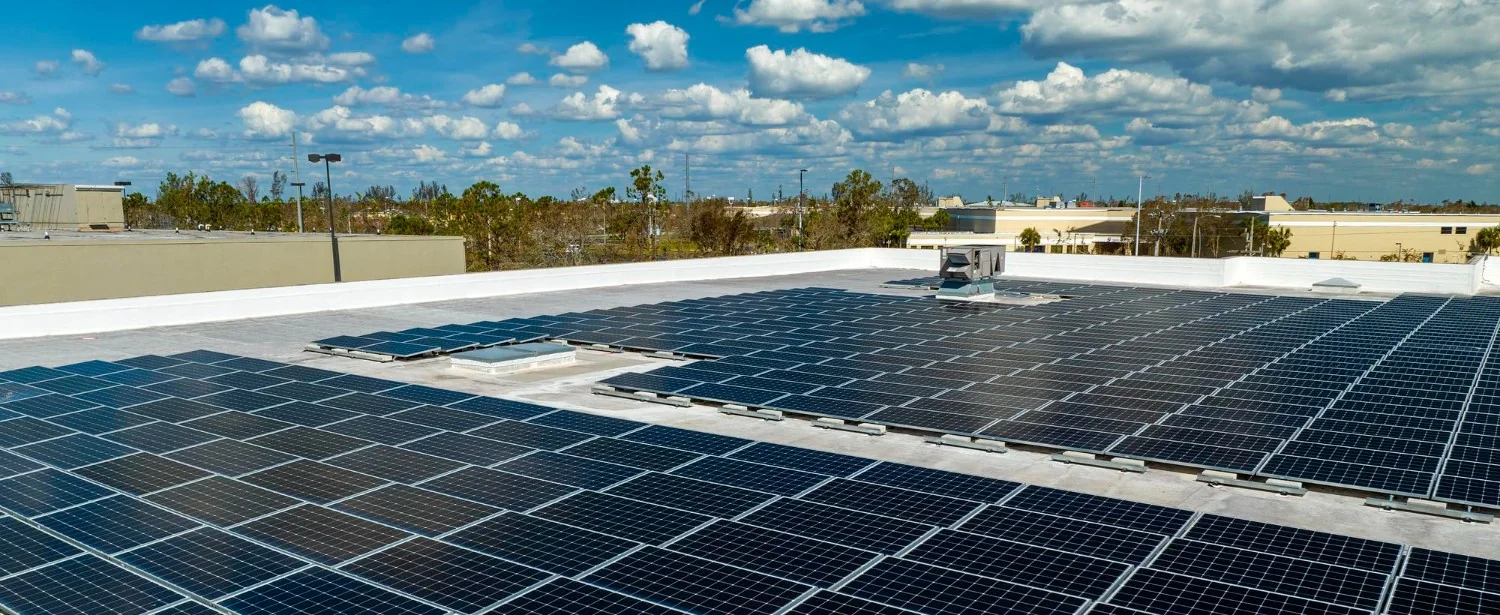
<ul><li><i>India’s rooftop solar capacity reached 30.7 GW in July 2026, increasing the need for better grid management and flexibility.</i></li><li><i>Kerala and Maharashtra are exploring battery ener…
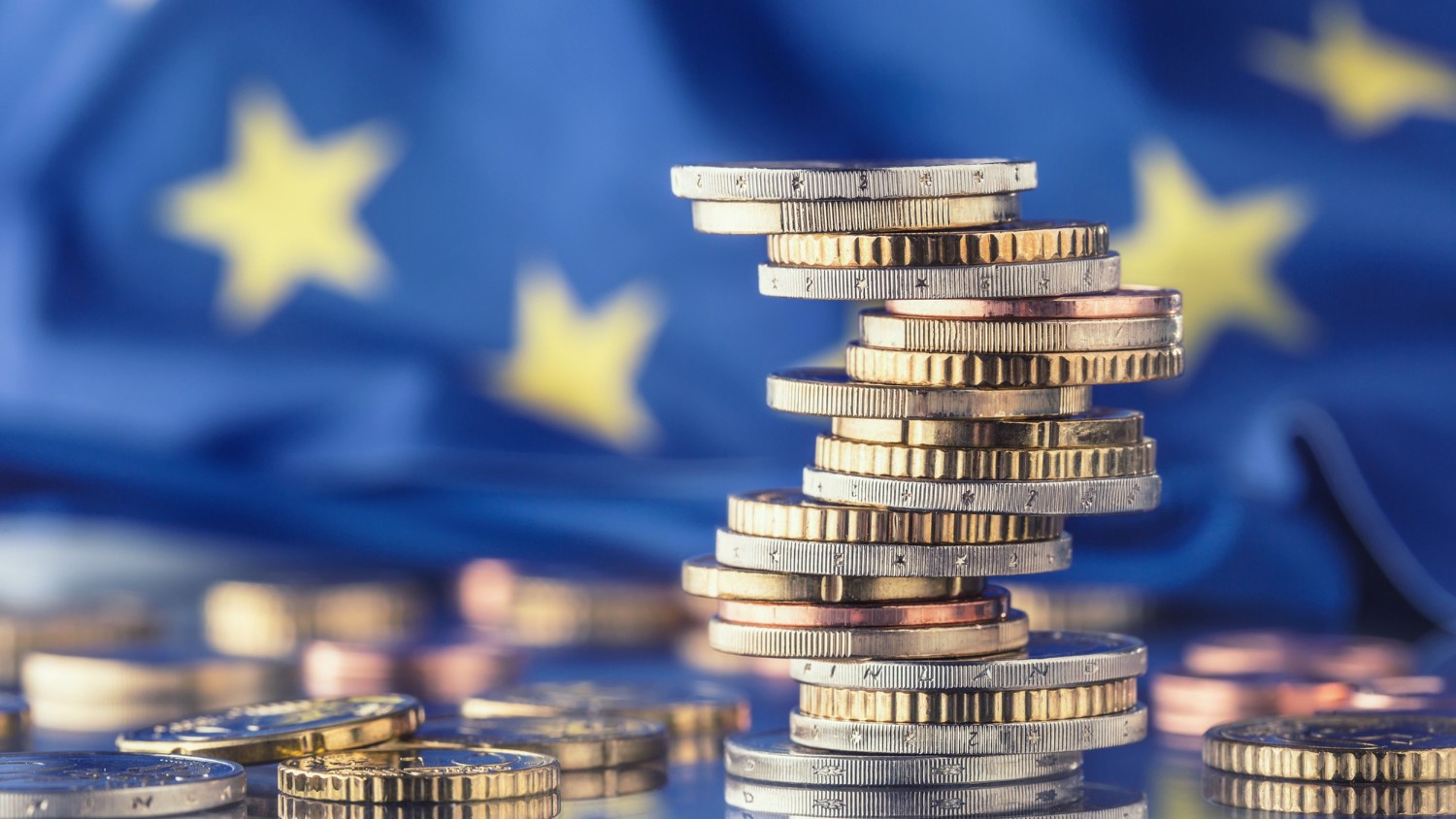
• 𝘛𝘩𝘦 𝘌𝘐𝘉 𝘎𝘳𝘰𝘶𝘱 𝘱𝘭𝘢𝘯𝘴 𝘵𝘰 𝘱𝘳𝘰𝘷𝘪𝘥𝘦 𝘢𝘵 𝘭𝘦𝘢𝘴𝘵 €30 𝘣𝘪𝘭𝘭𝘪𝘰𝘯 𝘧𝘰𝘳 𝘤𝘭𝘪𝘮𝘢𝘵𝘦 𝘢𝘥𝘢𝘱𝘵𝘢𝘵𝘪𝘰𝘯 𝘣𝘦𝘵𝘸𝘦𝘦𝘯 2026 𝘢𝘯𝘥 2030. • 𝘛𝘩𝘦 𝘯𝘦𝘸 𝘵𝘢𝘳𝘨𝘦𝘵 𝘥𝘰𝘶𝘣𝘭𝘦𝘴 𝘢𝘥𝘢𝘱𝘵𝘢𝘵𝘪𝘰𝘯 𝘧𝘪𝘯𝘢𝘯𝘤𝘪𝘯𝘨 𝘤𝘰𝘮𝘱𝘢𝘳𝘦𝘥 𝘸𝘪𝘵𝘩 𝘵𝘩𝘦 𝘱𝘳𝘦𝘷𝘪𝘰𝘶𝘴 𝘧𝘪𝘷𝘦-𝘺𝘦𝘢𝘳 𝘱𝘦𝘳𝘪𝘰𝘥. • 𝘍𝘶𝘯𝘥𝘪𝘯𝘨…