


12 November 2025
Day 2 of COP30 brought a powerful message: global climate goals succeed only when ambition meets local action. From mayors to grassroots innovators, local leaders turned plans into real progress for people and the planet.
𝗞𝗲𝘆 𝗛𝗶𝗴𝗵𝗹𝗶𝗴𝗵𝘁𝘀 𝗳𝗿𝗼𝗺 𝗗𝗮𝘆 𝟮
➣ The day began with a focus on turning plans into action. The 𝗣𝗹𝗮𝗻 𝘁𝗼 𝗔𝗰𝗰𝗲𝗹𝗲𝗿𝗮𝘁𝗲 𝗦𝗼𝗹𝘂𝘁𝗶𝗼𝗻𝘀 (𝗣𝗔𝗦) was launched to embed local governance into 100 national climate plans by 2028 and train 6,000 public officials.
This drive to localize decision-making was strengthened as Brazil and Germany announced their co-chairship of the 𝗖𝗼𝗮𝗹𝗶𝘁𝗶𝗼𝗻 𝗳𝗼𝗿 𝗛𝗶𝗴𝗵 𝗔𝗺𝗯𝗶𝘁𝗶𝗼𝗻 𝗠𝘂𝗹𝘁𝗶𝗹𝗲𝘃𝗲𝗹 𝗣𝗮𝗿𝘁𝗻𝗲𝗿𝘀𝗵𝗶𝗽𝘀 (𝗖𝗛𝗔𝗠𝗣), ensuring that national and local governments move forward together.
➣ With collaboration as the foundation, attention turned to cities, where the impacts of climate change are most visible. The 𝗕𝗲𝗮𝘁 𝘁𝗵𝗲 𝗛𝗲𝗮𝘁 𝗜𝗺𝗽𝗹𝗲𝗺𝗲𝗻𝘁𝗮𝘁𝗶𝗼𝗻 𝗗𝗿𝗶𝘃𝗲, co-led by COP30 and UNEP, aims to protect 3.5 billion people across 185 cities from extreme heat through green corridors, reflective materials, and energy-efficient cooling.
➣ This urban focus expanded into the built environment. The 𝗕𝘂𝗶𝗹𝗱𝗶𝗻𝗴𝘀 𝗕𝗿𝗲𝗮𝗸𝘁𝗵𝗿𝗼𝘂𝗴𝗵 𝗜𝗻𝗶𝘁𝗶𝗮𝘁𝗶𝘃𝗲 introduced global standards for Near-Zero and Resilient Buildings, supported by countries such as Colombia, France, Finland, Ghana, Japan, and Kenya. Together, they’re proving that sustainable infrastructure can form the backbone of local resilience.
➣ Recognizing that water connects all parts of adaptation, leaders launched a $20 billion 𝗟𝗮𝘁𝗶𝗻 𝗔𝗺𝗲𝗿𝗶𝗰𝗮 𝗮𝗻𝗱 𝗖𝗮𝗿𝗶𝗯𝗯𝗲𝗮𝗻 𝗪𝗮𝘁𝗲𝗿 𝗜𝗻𝘃𝗲𝘀𝘁𝗺𝗲𝗻𝘁 𝗣𝗿𝗼𝗴𝗿𝗮𝗺 to strengthen water systems, alongside a Joint Statement on Water and Climate Action, reaffirming that water security underpins sustainable development.
➣ The theme of circularity united the day’s efforts. Through the 𝗡𝗼 𝗢𝗿𝗴𝗮𝗻𝗶𝗰 𝗪𝗮𝘀𝘁𝗲 (𝗡𝗢𝗪) 𝗣𝗹𝗮𝗻 Plan, partners pledged $30 million to cut methane emissions from organic waste by 30% by 2030, recover 20 million tonnes of food, and bring one million waste workers into the green economy.
Extending this vision, Brazil’s Mutirão for Sustainable E-Waste Management collected 1,000 tonnes of e-waste, refurbished computers for communities, and trained 2,700 youth, linking digital inclusion with environmental action.
➣ The Maloca virtual platform, launched by UNDP and the COP30 Presidency on September 26, 2025, connected audiences worldwide to multiple stories, amplifying Indigenous voices and local innovation driving resilience.
As ministers and mayors from over 80 countries gathered in Belém, one truth echoed through every conversation: the Paris Agreement will be delivered from the ground up, through communities transforming ambition into action.
The local-leadership framing signals where subnational and city-level climate delivery will get prioritised over the next cycle, which directly affects corporate real-estate, mobility and infrastructure positioning. Our climate-action and impact-assessment teams help clients evaluate what these subnational frameworks mean for their local operations and disclosure.
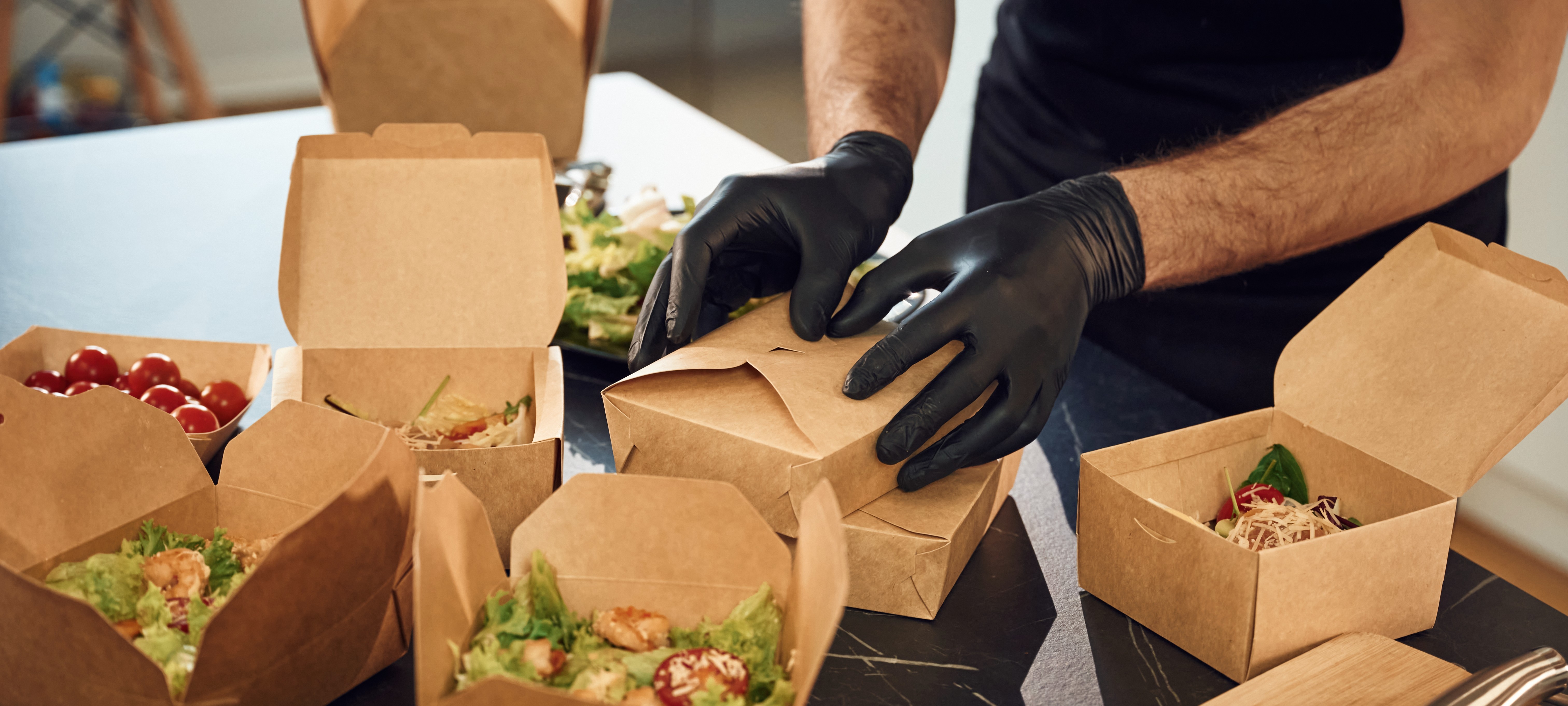
• 𝘛𝘩𝘦 𝘜𝘈𝘌 𝘍𝘰𝘰𝘥 𝘉𝘢𝘯𝘬 𝘢𝘯𝘥 𝘋𝘶𝘣𝘢𝘪’𝘴 𝘊𝘰𝘮𝘮𝘶𝘯𝘪𝘵𝘺 𝘋𝘦𝘷𝘦𝘭𝘰𝘱𝘮𝘦𝘯𝘵 𝘈𝘶𝘵𝘩𝘰𝘳𝘪𝘵𝘺 (𝘊𝘋𝘈) 𝘩𝘢𝘷𝘦 𝘴𝘪𝘨𝘯𝘦𝘥 𝘢𝘯 𝘢𝘨𝘳𝘦𝘦𝘮𝘦𝘯𝘵 𝘵𝘰 𝘤𝘰𝘭𝘭𝘦𝘤𝘵 𝘢𝘯𝘥 𝘳𝘦𝘥𝘪𝘴𝘵𝘳𝘪𝘣𝘶𝘵𝘦 𝘴𝘶𝘳𝘱𝘭𝘶𝘴 𝘧𝘰𝘰𝘥 𝘧𝘳𝘰𝘮 𝘸𝘦𝘥𝘥𝘪𝘯𝘨𝘴 𝘢𝘯𝘥 𝘦𝘷𝘦𝘯𝘵𝘴. • 𝘛𝘩𝘦 𝘪𝘯𝘪𝘵𝘪𝘢𝘵𝘪𝘷𝘦 𝘸𝘪𝘭𝘭 𝘧𝘰𝘭𝘭𝘰𝘸 𝘢𝘱𝘱𝘳𝘰𝘷𝘦𝘥…
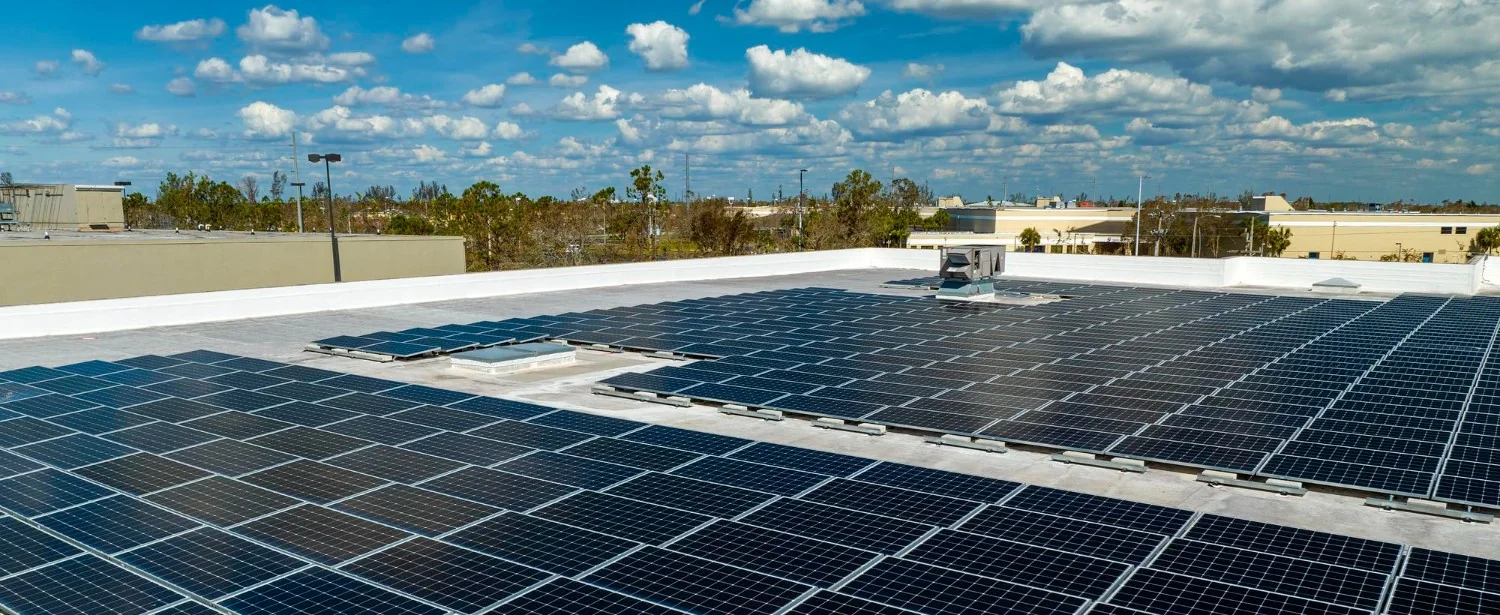
<ul><li><i>India’s rooftop solar capacity reached 30.7 GW in July 2026, increasing the need for better grid management and flexibility.</i></li><li><i>Kerala and Maharashtra are exploring battery ener…

• 𝘛𝘩𝘦 𝘌𝘐𝘉 𝘎𝘳𝘰𝘶𝘱 𝘱𝘭𝘢𝘯𝘴 𝘵𝘰 𝘱𝘳𝘰𝘷𝘪𝘥𝘦 𝘢𝘵 𝘭𝘦𝘢𝘴𝘵 €30 𝘣𝘪𝘭𝘭𝘪𝘰𝘯 𝘧𝘰𝘳 𝘤𝘭𝘪𝘮𝘢𝘵𝘦 𝘢𝘥𝘢𝘱𝘵𝘢𝘵𝘪𝘰𝘯 𝘣𝘦𝘵𝘸𝘦𝘦𝘯 2026 𝘢𝘯𝘥 2030. • 𝘛𝘩𝘦 𝘯𝘦𝘸 𝘵𝘢𝘳𝘨𝘦𝘵 𝘥𝘰𝘶𝘣𝘭𝘦𝘴 𝘢𝘥𝘢𝘱𝘵𝘢𝘵𝘪𝘰𝘯 𝘧𝘪𝘯𝘢𝘯𝘤𝘪𝘯𝘨 𝘤𝘰𝘮𝘱𝘢𝘳𝘦𝘥 𝘸𝘪𝘵𝘩 𝘵𝘩𝘦 𝘱𝘳𝘦𝘷𝘪𝘰𝘶𝘴 𝘧𝘪𝘷𝘦-𝘺𝘦𝘢𝘳 𝘱𝘦𝘳𝘪𝘰𝘥. • 𝘍𝘶𝘯𝘥𝘪𝘯𝘨…