

.png)
22 November 2025
On the final day of COP30 in Belém, the summit reached a moment of reckoning. After two weeks of intense negotiations, every decision mattered, and delegates faced the challenge of turning countless debates into a coherent plan.
𝗞𝗲𝘆 𝗵𝗶𝗴𝗵𝗹𝗶𝗴𝗵𝘁𝘀 𝗳𝗿𝗼𝗺 𝗗𝗮𝘆 𝟭𝟭
➣ The morning started with the adoption of 59 voluntary adaptation indicators. These covered areas like water, farming, health, and infrastructure. The indicators were part of the 𝗕𝗲𝗹é𝗺–𝗔𝗱𝗱𝗶𝘀 𝗩𝗶𝘀𝗶𝗼𝗻, a two-year plan launched during COP30 to improve and expand adaptation efforts. The plan showed how planning, finance, and accountability are connected. These shared indicators allowed delegates to understand how progress in one area could positively impact other areas.
➣ After the discussion on adaptation, delegates focused on finance. Countries promised to 𝘁𝗿𝗶𝗽𝗹𝗲 𝗮𝗱𝗮𝗽𝘁𝗮𝘁𝗶𝗼𝗻 𝗳𝗶𝗻𝗮𝗻𝗰𝗲 𝗯𝘆 𝟮𝟬𝟯𝟬 to help vulnerable communities cope with climate change. They also agreed to a two-year program to coordinate climate finance globally. This program will organize how money is shared, tracked, and used across countries, making sure adaptation projects actually get the support they need.
➣ Social fairness was also a key part of the discussion. Delegates agreed to create a 𝗷𝘂𝘀𝘁 𝘁𝗿𝗮𝗻𝘀𝗶𝘁𝗶𝗼𝗻 𝗺𝗲𝗰𝗵𝗮𝗻𝗶𝘀𝗺 to support workers and communities affected by the shift away from fossil fuels. This ensured that climate action is fair and protects people while moving toward clean energy.
➣ The discussion on fossil fuels was more difficult. Over 80 countries called for a clear plan to phase out fossil fuels, but no agreement was reached. To keep progress moving, COP30 President, Ambassador André Aranha Corrêa do Lago, promised two voluntary roadmaps - one for fossil fuels and one for deforestation. This ensured that these debates remained connected to the broader climate agenda, even if they were not finalized in the main text.
➣ By evening, all threads came together in the 𝗕𝗲𝗹é𝗺 𝗣𝗮𝗰𝗸𝗮𝗴𝗲, linking adaptation, finance, social protection, and energy into one framework. UN Climate Chief Simon Stiell said: “We were not yet winning the climate fight, but we were still in it - and fighting back.”
COP30 ended on a note of determination: the path to a resilient, fair, and low-carbon future depends on linking decisions, sharing responsibility, and turning commitments into real-world action.
The Belém Package signals that adaptation, finance and just-transition agendas are moving from parallel to integrated tracks, which changes both climate-finance flow structure and corporate disclosure narratives. Our climate-action and impact-assessment teams help clients evaluate what these integrated agendas mean for their positioning.

• 𝘛𝘩𝘦 𝘜𝘈𝘌 𝘍𝘰𝘰𝘥 𝘉𝘢𝘯𝘬 𝘢𝘯𝘥 𝘋𝘶𝘣𝘢𝘪’𝘴 𝘊𝘰𝘮𝘮𝘶𝘯𝘪𝘵𝘺 𝘋𝘦𝘷𝘦𝘭𝘰𝘱𝘮𝘦𝘯𝘵 𝘈𝘶𝘵𝘩𝘰𝘳𝘪𝘵𝘺 (𝘊𝘋𝘈) 𝘩𝘢𝘷𝘦 𝘴𝘪𝘨𝘯𝘦𝘥 𝘢𝘯 𝘢𝘨𝘳𝘦𝘦𝘮𝘦𝘯𝘵 𝘵𝘰 𝘤𝘰𝘭𝘭𝘦𝘤𝘵 𝘢𝘯𝘥 𝘳𝘦𝘥𝘪𝘴𝘵𝘳𝘪𝘣𝘶𝘵𝘦 𝘴𝘶𝘳𝘱𝘭𝘶𝘴 𝘧𝘰𝘰𝘥 𝘧𝘳𝘰𝘮 𝘸𝘦𝘥𝘥𝘪𝘯𝘨𝘴 𝘢𝘯𝘥 𝘦𝘷𝘦𝘯𝘵𝘴. • 𝘛𝘩𝘦 𝘪𝘯𝘪𝘵𝘪𝘢𝘵𝘪𝘷𝘦 𝘸𝘪𝘭𝘭 𝘧𝘰𝘭𝘭𝘰𝘸 𝘢𝘱𝘱𝘳𝘰𝘷𝘦𝘥…
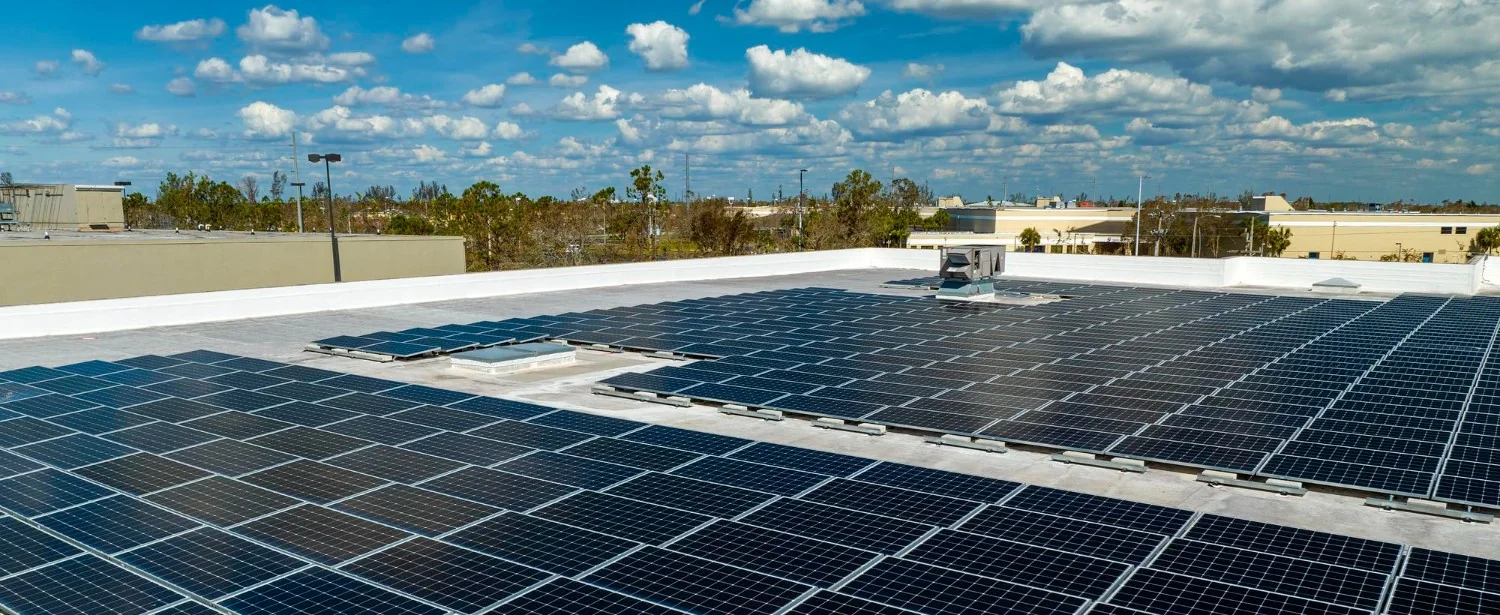
<ul><li><i>India’s rooftop solar capacity reached 30.7 GW in July 2026, increasing the need for better grid management and flexibility.</i></li><li><i>Kerala and Maharashtra are exploring battery ener…

• 𝘛𝘩𝘦 𝘌𝘐𝘉 𝘎𝘳𝘰𝘶𝘱 𝘱𝘭𝘢𝘯𝘴 𝘵𝘰 𝘱𝘳𝘰𝘷𝘪𝘥𝘦 𝘢𝘵 𝘭𝘦𝘢𝘴𝘵 €30 𝘣𝘪𝘭𝘭𝘪𝘰𝘯 𝘧𝘰𝘳 𝘤𝘭𝘪𝘮𝘢𝘵𝘦 𝘢𝘥𝘢𝘱𝘵𝘢𝘵𝘪𝘰𝘯 𝘣𝘦𝘵𝘸𝘦𝘦𝘯 2026 𝘢𝘯𝘥 2030. • 𝘛𝘩𝘦 𝘯𝘦𝘸 𝘵𝘢𝘳𝘨𝘦𝘵 𝘥𝘰𝘶𝘣𝘭𝘦𝘴 𝘢𝘥𝘢𝘱𝘵𝘢𝘵𝘪𝘰𝘯 𝘧𝘪𝘯𝘢𝘯𝘤𝘪𝘯𝘨 𝘤𝘰𝘮𝘱𝘢𝘳𝘦𝘥 𝘸𝘪𝘵𝘩 𝘵𝘩𝘦 𝘱𝘳𝘦𝘷𝘪𝘰𝘶𝘴 𝘧𝘪𝘷𝘦-𝘺𝘦𝘢𝘳 𝘱𝘦𝘳𝘪𝘰𝘥. • 𝘍𝘶𝘯𝘥𝘪𝘯𝘨…