

07 August 2025
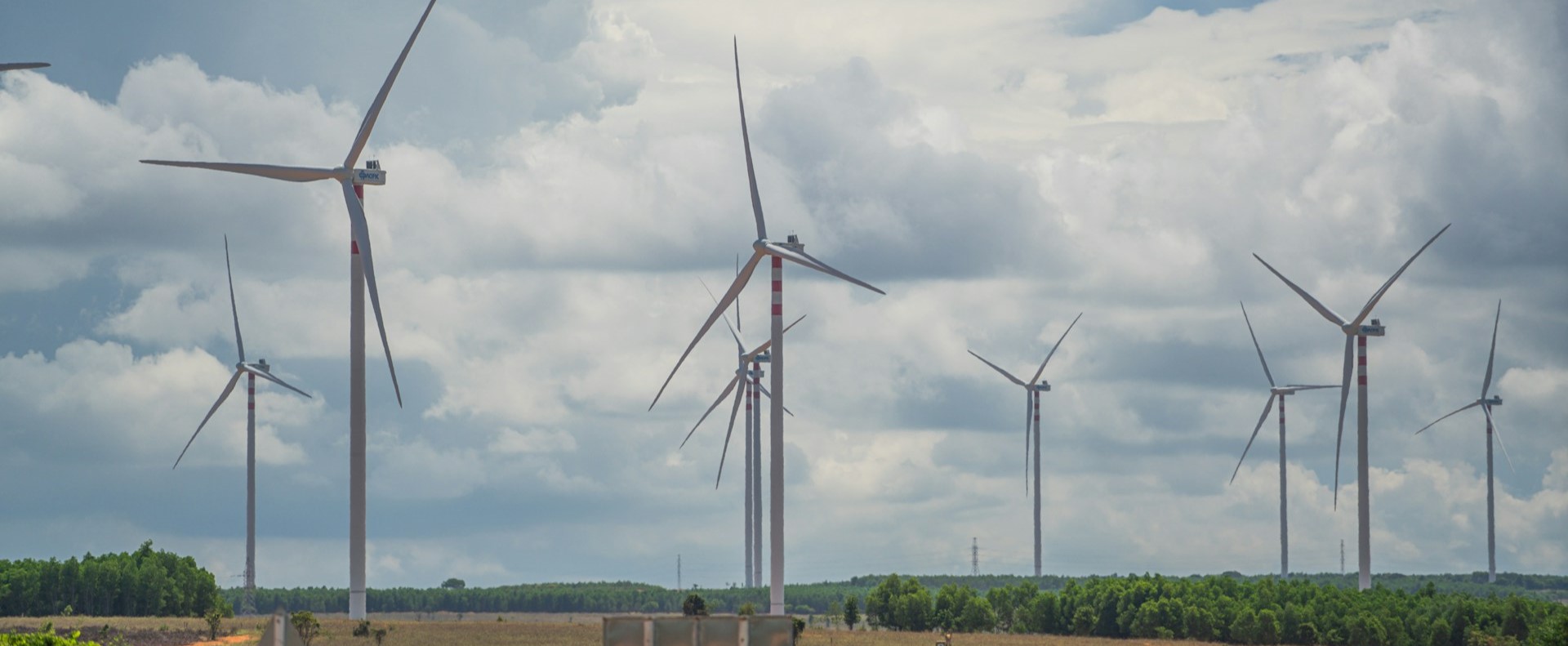
India’s coal-fired power plants are reducing their reliance on fresh coal purchases from state-owned Coal India Ltd., instead drawing from record-high stockpiles. This shift comes as coal-based electricity generation declined for the fourth consecutive month in July, despite a rise in overall electricity demand. Increased output from hydro and renewable sources such as wind and solar has helped meet energy needs without expanding coal usage.
Coal inventories at power plants dropped 13% in July from an all-time high of 58.1 million metric tons at the end of June-far steeper than the average 2% July decline seen over the past decade. Experts note that the ample reserves and no imminent coal shortages have given utilities greater flexibility in managing procurement and costs. However, this reduced dependency on Coal India may be short-term, with expectations that coal demand could rebound as power demand rises.
Coal India’s production and supply in July recorded the sharpest declines since 2019 and 2018, respectively. Production fell by 15.6% and supply dropped by 9.9% year-on-year. Meanwhile, private miners are gaining a larger share of the coal market, following the government's move to liberalize coal mining in 2020.
While overall power generation rose 1.8% year-on-year to 164.66 billion kilowatt-hours in July, coal’s contribution shrank to 64.3%-its lowest in five years. This was offset by a 22.4% rise in hydropower and a 14.4% increase in renewable energy output.
With India commissioning a record 22 GW of solar and wind energy capacity in the first half of 2025, and aiming for 500 GW of non-fossil fuel capacity by 2030, the share of coal in the country’s energy mix is expected to decline further in the coming years.
Coal demand declines during high renewable-and-hydro periods are a leading indicator that Indian dispatch economics are genuinely shifting - and that shift changes stranded-asset calculations for thermal-plant financiers well before headline capacity numbers move. Our energy-transition and sustainability-due-diligence teams help clients evaluate what these dispatch dynamics mean for portfolio exposure and transition-plan disclosure.

• 𝘛𝘩𝘦 𝘜𝘈𝘌 𝘍𝘰𝘰𝘥 𝘉𝘢𝘯𝘬 𝘢𝘯𝘥 𝘋𝘶𝘣𝘢𝘪’𝘴 𝘊𝘰𝘮𝘮𝘶𝘯𝘪𝘵𝘺 𝘋𝘦𝘷𝘦𝘭𝘰𝘱𝘮𝘦𝘯𝘵 𝘈𝘶𝘵𝘩𝘰𝘳𝘪𝘵𝘺 (𝘊𝘋𝘈) 𝘩𝘢𝘷𝘦 𝘴𝘪𝘨𝘯𝘦𝘥 𝘢𝘯 𝘢𝘨𝘳𝘦𝘦𝘮𝘦𝘯𝘵 𝘵𝘰 𝘤𝘰𝘭𝘭𝘦𝘤𝘵 𝘢𝘯𝘥 𝘳𝘦𝘥𝘪𝘴𝘵𝘳𝘪𝘣𝘶𝘵𝘦 𝘴𝘶𝘳𝘱𝘭𝘶𝘴 𝘧𝘰𝘰𝘥 𝘧𝘳𝘰𝘮 𝘸𝘦𝘥𝘥𝘪𝘯𝘨𝘴 𝘢𝘯𝘥 𝘦𝘷𝘦𝘯𝘵𝘴. • 𝘛𝘩𝘦 𝘪𝘯𝘪𝘵𝘪𝘢𝘵𝘪𝘷𝘦 𝘸𝘪𝘭𝘭 𝘧𝘰𝘭𝘭𝘰𝘸 𝘢𝘱𝘱𝘳𝘰𝘷𝘦𝘥…

<ul><li><i>India’s rooftop solar capacity reached 30.7 GW in July 2026, increasing the need for better grid management and flexibility.</i></li><li><i>Kerala and Maharashtra are exploring battery ener…

• 𝘛𝘩𝘦 𝘌𝘐𝘉 𝘎𝘳𝘰𝘶𝘱 𝘱𝘭𝘢𝘯𝘴 𝘵𝘰 𝘱𝘳𝘰𝘷𝘪𝘥𝘦 𝘢𝘵 𝘭𝘦𝘢𝘴𝘵 €30 𝘣𝘪𝘭𝘭𝘪𝘰𝘯 𝘧𝘰𝘳 𝘤𝘭𝘪𝘮𝘢𝘵𝘦 𝘢𝘥𝘢𝘱𝘵𝘢𝘵𝘪𝘰𝘯 𝘣𝘦𝘵𝘸𝘦𝘦𝘯 2026 𝘢𝘯𝘥 2030. • 𝘛𝘩𝘦 𝘯𝘦𝘸 𝘵𝘢𝘳𝘨𝘦𝘵 𝘥𝘰𝘶𝘣𝘭𝘦𝘴 𝘢𝘥𝘢𝘱𝘵𝘢𝘵𝘪𝘰𝘯 𝘧𝘪𝘯𝘢𝘯𝘤𝘪𝘯𝘨 𝘤𝘰𝘮𝘱𝘢𝘳𝘦𝘥 𝘸𝘪𝘵𝘩 𝘵𝘩𝘦 𝘱𝘳𝘦𝘷𝘪𝘰𝘶𝘴 𝘧𝘪𝘷𝘦-𝘺𝘦𝘢𝘳 𝘱𝘦𝘳𝘪𝘰𝘥. • 𝘍𝘶𝘯𝘥𝘪𝘯𝘨…