


15 January 2026
The Confederation of Indian Industry (CII) has called on the government to use the Union Budget 2026 as a platform to accelerate India’s green hydrogen ecosystem by introducing clear mandates and targeted incentives. According to CII, strong policy direction is essential to unlock demand and move green hydrogen from pilot stages to large-scale commercial adoption.
CII highlighted that while India has announced ambitious goals under the National Green Hydrogen Mission, demand creation remains a key challenge due to high production costs and limited offtake certainty. The industry body suggested that mandatory green hydrogen usage in select sectors such as refining, fertilisers, steel, and heavy transport could help create a stable market and encourage private investment.
In addition to mandates, CII recommended fiscal and non-fiscal incentives, including production-linked support, viability gap funding, and long-term policy clarity. These measures, it said, would help reduce cost gaps between green hydrogen and conventional fuels, making clean hydrogen more competitive for industrial users.
The industry body also emphasised the need for a predictable regulatory framework covering transmission, storage, and certification of green hydrogen. Clear standards and streamlined approvals would reduce risks for developers and help integrate green hydrogen into India’s broader energy transition strategy.
Overall, CII’s pre-budget recommendations position green hydrogen as a strategic pillar for India’s decarbonisation efforts, industrial competitiveness, and energy security, urging the government to send strong policy signals through Budget 2026 to catalyse growth in this emerging sector.
Industry-body advocacy for hydrogen mandates typically shapes the specific incentive design that ends up in the budget, and offtake mandates change the demand-side certainty developers need to underwrite production capacity. Our energy-transition and market-intelligence teams help clients evaluate hydrogen investment cases across mandate and incentive scenarios.

• 𝘛𝘩𝘦 𝘜𝘈𝘌 𝘍𝘰𝘰𝘥 𝘉𝘢𝘯𝘬 𝘢𝘯𝘥 𝘋𝘶𝘣𝘢𝘪’𝘴 𝘊𝘰𝘮𝘮𝘶𝘯𝘪𝘵𝘺 𝘋𝘦𝘷𝘦𝘭𝘰𝘱𝘮𝘦𝘯𝘵 𝘈𝘶𝘵𝘩𝘰𝘳𝘪𝘵𝘺 (𝘊𝘋𝘈) 𝘩𝘢𝘷𝘦 𝘴𝘪𝘨𝘯𝘦𝘥 𝘢𝘯 𝘢𝘨𝘳𝘦𝘦𝘮𝘦𝘯𝘵 𝘵𝘰 𝘤𝘰𝘭𝘭𝘦𝘤𝘵 𝘢𝘯𝘥 𝘳𝘦𝘥𝘪𝘴𝘵𝘳𝘪𝘣𝘶𝘵𝘦 𝘴𝘶𝘳𝘱𝘭𝘶𝘴 𝘧𝘰𝘰𝘥 𝘧𝘳𝘰𝘮 𝘸𝘦𝘥𝘥𝘪𝘯𝘨𝘴 𝘢𝘯𝘥 𝘦𝘷𝘦𝘯𝘵𝘴. • 𝘛𝘩𝘦 𝘪𝘯𝘪𝘵𝘪𝘢𝘵𝘪𝘷𝘦 𝘸𝘪𝘭𝘭 𝘧𝘰𝘭𝘭𝘰𝘸 𝘢𝘱𝘱𝘳𝘰𝘷𝘦𝘥…
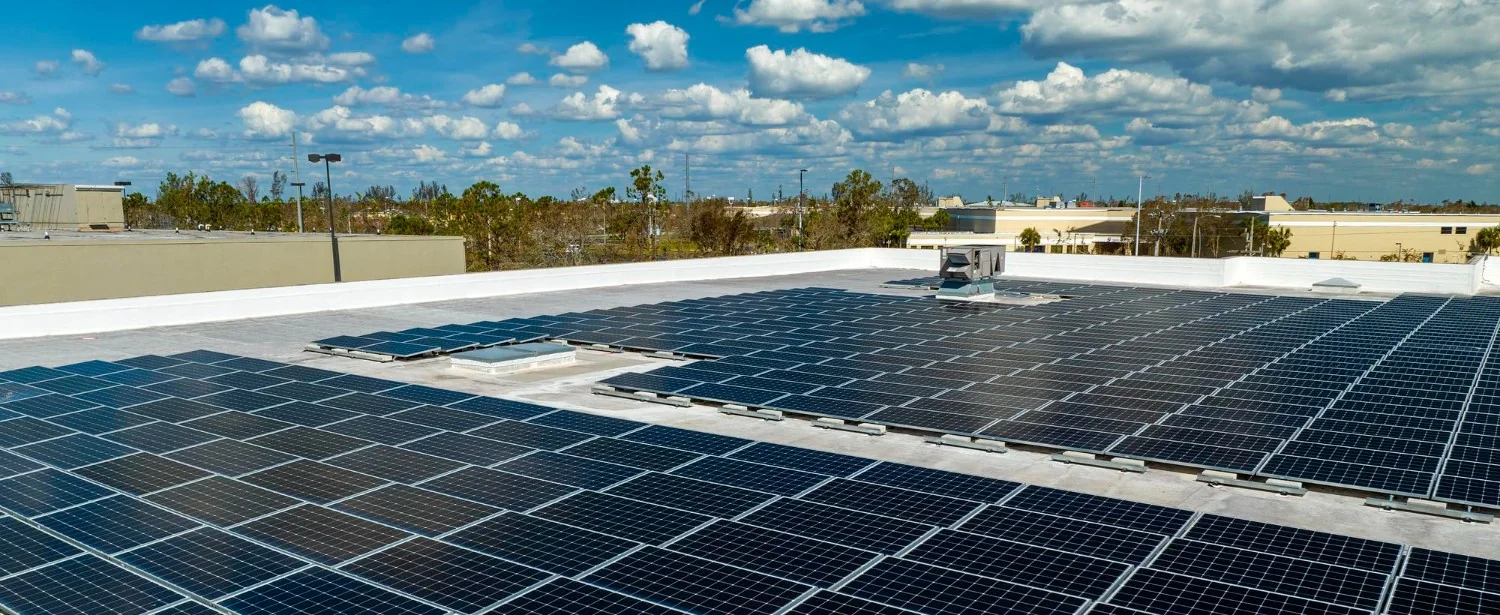
<ul><li><i>India’s rooftop solar capacity reached 30.7 GW in July 2026, increasing the need for better grid management and flexibility.</i></li><li><i>Kerala and Maharashtra are exploring battery ener…

• 𝘛𝘩𝘦 𝘌𝘐𝘉 𝘎𝘳𝘰𝘶𝘱 𝘱𝘭𝘢𝘯𝘴 𝘵𝘰 𝘱𝘳𝘰𝘷𝘪𝘥𝘦 𝘢𝘵 𝘭𝘦𝘢𝘴𝘵 €30 𝘣𝘪𝘭𝘭𝘪𝘰𝘯 𝘧𝘰𝘳 𝘤𝘭𝘪𝘮𝘢𝘵𝘦 𝘢𝘥𝘢𝘱𝘵𝘢𝘵𝘪𝘰𝘯 𝘣𝘦𝘵𝘸𝘦𝘦𝘯 2026 𝘢𝘯𝘥 2030. • 𝘛𝘩𝘦 𝘯𝘦𝘸 𝘵𝘢𝘳𝘨𝘦𝘵 𝘥𝘰𝘶𝘣𝘭𝘦𝘴 𝘢𝘥𝘢𝘱𝘵𝘢𝘵𝘪𝘰𝘯 𝘧𝘪𝘯𝘢𝘯𝘤𝘪𝘯𝘨 𝘤𝘰𝘮𝘱𝘢𝘳𝘦𝘥 𝘸𝘪𝘵𝘩 𝘵𝘩𝘦 𝘱𝘳𝘦𝘷𝘪𝘰𝘶𝘴 𝘧𝘪𝘷𝘦-𝘺𝘦𝘢𝘳 𝘱𝘦𝘳𝘪𝘰𝘥. • 𝘍𝘶𝘯𝘥𝘪𝘯𝘨…