

.jpg)
22 May 2026
Canada’s oil and gas sector is showing renewed investor confidence following a new federal-provincial energy agreement, with industry executives saying the country has become more attractive for energy investment under Prime Minister Mark Carney’s government.
The agreement between Ottawa and Alberta eases several environmental restrictions, outlines a revised industrial carbon pricing framework for the oil sands sector, and promises faster regulatory approvals for major energy projects. Officials say the deal could help advance plans for a new 1-million-barrel-per-day crude oil pipeline connecting Alberta to British Columbia’s coast.
Industry leaders welcomed the move as a signal of greater policy stability after years of complaints that Canada’s regulatory environment and climate policies discouraged investment. Executives noted that clearer rules and streamlined approvals could improve the long-term risk profile for large-scale energy developments.
However, concerns remain about Canada’s global competitiveness. Industry representatives emphasized that energy companies continue to compare investment opportunities against lower-cost jurisdictions, particularly the United States, where federal policies strongly support expanded oil and gas production.
The proposed pipeline remains a central part of Canada’s energy growth strategy, but significant hurdles remain. No private developer has yet committed to building the project, and analysts estimate expanding oil sands production enough to fill the pipeline could require up to C$100 billion in new investment over the coming decade.
The deal also links pipeline development to emissions reduction commitments. Alberta’s industrial carbon price will gradually increase over time, creating stronger incentives for heavy emitters to invest in cleaner technologies and carbon capture systems. Federal approval for the pipeline is expected to depend partly on progress toward large-scale carbon capture infrastructure.
While the agreement is being viewed as a major step toward balancing economic growth with climate policy, industry groups and environmental advocates remain divided over whether the measures go far enough - or move too far - in either direction.
Improving O&G investment outlook in Canada reshapes TCFD-aligned transition-risk assumptions, and it changes how lenders and offtakers should be pricing sector exposure. Our sustainability-due-diligence teams help clients evaluate what these dynamics mean for TCFD scenario planning.

• 𝘛𝘩𝘦 𝘜𝘈𝘌 𝘍𝘰𝘰𝘥 𝘉𝘢𝘯𝘬 𝘢𝘯𝘥 𝘋𝘶𝘣𝘢𝘪’𝘴 𝘊𝘰𝘮𝘮𝘶𝘯𝘪𝘵𝘺 𝘋𝘦𝘷𝘦𝘭𝘰𝘱𝘮𝘦𝘯𝘵 𝘈𝘶𝘵𝘩𝘰𝘳𝘪𝘵𝘺 (𝘊𝘋𝘈) 𝘩𝘢𝘷𝘦 𝘴𝘪𝘨𝘯𝘦𝘥 𝘢𝘯 𝘢𝘨𝘳𝘦𝘦𝘮𝘦𝘯𝘵 𝘵𝘰 𝘤𝘰𝘭𝘭𝘦𝘤𝘵 𝘢𝘯𝘥 𝘳𝘦𝘥𝘪𝘴𝘵𝘳𝘪𝘣𝘶𝘵𝘦 𝘴𝘶𝘳𝘱𝘭𝘶𝘴 𝘧𝘰𝘰𝘥 𝘧𝘳𝘰𝘮 𝘸𝘦𝘥𝘥𝘪𝘯𝘨𝘴 𝘢𝘯𝘥 𝘦𝘷𝘦𝘯𝘵𝘴. • 𝘛𝘩𝘦 𝘪𝘯𝘪𝘵𝘪𝘢𝘵𝘪𝘷𝘦 𝘸𝘪𝘭𝘭 𝘧𝘰𝘭𝘭𝘰𝘸 𝘢𝘱𝘱𝘳𝘰𝘷𝘦𝘥…
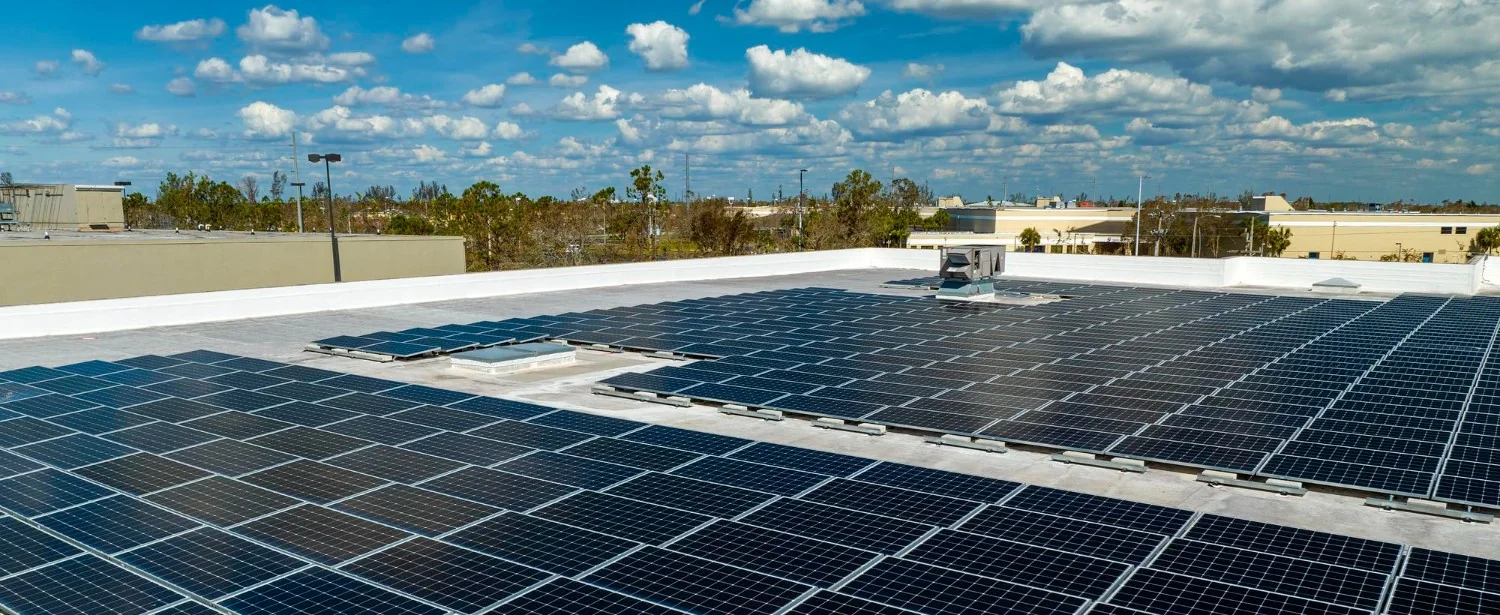
<ul><li><i>India’s rooftop solar capacity reached 30.7 GW in July 2026, increasing the need for better grid management and flexibility.</i></li><li><i>Kerala and Maharashtra are exploring battery ener…

• 𝘛𝘩𝘦 𝘌𝘐𝘉 𝘎𝘳𝘰𝘶𝘱 𝘱𝘭𝘢𝘯𝘴 𝘵𝘰 𝘱𝘳𝘰𝘷𝘪𝘥𝘦 𝘢𝘵 𝘭𝘦𝘢𝘴𝘵 €30 𝘣𝘪𝘭𝘭𝘪𝘰𝘯 𝘧𝘰𝘳 𝘤𝘭𝘪𝘮𝘢𝘵𝘦 𝘢𝘥𝘢𝘱𝘵𝘢𝘵𝘪𝘰𝘯 𝘣𝘦𝘵𝘸𝘦𝘦𝘯 2026 𝘢𝘯𝘥 2030. • 𝘛𝘩𝘦 𝘯𝘦𝘸 𝘵𝘢𝘳𝘨𝘦𝘵 𝘥𝘰𝘶𝘣𝘭𝘦𝘴 𝘢𝘥𝘢𝘱𝘵𝘢𝘵𝘪𝘰𝘯 𝘧𝘪𝘯𝘢𝘯𝘤𝘪𝘯𝘨 𝘤𝘰𝘮𝘱𝘢𝘳𝘦𝘥 𝘸𝘪𝘵𝘩 𝘵𝘩𝘦 𝘱𝘳𝘦𝘷𝘪𝘰𝘶𝘴 𝘧𝘪𝘷𝘦-𝘺𝘦𝘢𝘳 𝘱𝘦𝘳𝘪𝘰𝘥. • 𝘍𝘶𝘯𝘥𝘪𝘯𝘨…