

.jpg)
02 April 2026
British Columbia is set to scale back its ambitious zero-emission vehicle (ZEV) sales mandate, lowering the 2035 target from 100% to 75% in a move aimed at aligning with federal policy and addressing market realities.
The proposed legislative changes, announced by the province’s Ministry of Energy and Climate Solutions, are expected to be finalized by fall. While long-term targets are being revised, near-term requirements remain unchanged, including a 26% ZEV sales mandate for 2026 and 2027.
Energy Minister Adrian Dix said the adjustment would offer greater flexibility for both consumers and automakers, while reducing regulatory pressure. The province also announced funding for 75 new public EV charging projects to support infrastructure growth.
The decision reflects a broader recognition of slower-than-expected EV adoption and ongoing industry concerns. The New Car Dealers Association of BC welcomed the move, calling it a more balanced and adaptable approach that better aligns policy with consumer demand.
At the same time, the Pembina Institute expressed cautious optimism, emphasizing the importance of strong interim targets to maintain investor confidence and ensure continued progress in vehicle supply and charging infrastructure.
Introduced in 2019, British Columbia’s original 100% target made it the first jurisdiction globally to legislate a full transition to zero-emission vehicle sales. The revised policy signals a shift toward a more pragmatic pathway-balancing climate ambition with economic and market constraints.
The BC 100% to 75% downgrade is a useful reality check on how EV mandates are colliding with adoption, charging-infrastructure and supply constraints, and it will influence how other jurisdictions calibrate their own targets. Our energy-transition and market-intelligence teams help auto manufacturers, fleet operators and financiers rethink capex sequencing across EV, hybrid and low-carbon fuel pathways.

• 𝘛𝘩𝘦 𝘜𝘈𝘌 𝘍𝘰𝘰𝘥 𝘉𝘢𝘯𝘬 𝘢𝘯𝘥 𝘋𝘶𝘣𝘢𝘪’𝘴 𝘊𝘰𝘮𝘮𝘶𝘯𝘪𝘵𝘺 𝘋𝘦𝘷𝘦𝘭𝘰𝘱𝘮𝘦𝘯𝘵 𝘈𝘶𝘵𝘩𝘰𝘳𝘪𝘵𝘺 (𝘊𝘋𝘈) 𝘩𝘢𝘷𝘦 𝘴𝘪𝘨𝘯𝘦𝘥 𝘢𝘯 𝘢𝘨𝘳𝘦𝘦𝘮𝘦𝘯𝘵 𝘵𝘰 𝘤𝘰𝘭𝘭𝘦𝘤𝘵 𝘢𝘯𝘥 𝘳𝘦𝘥𝘪𝘴𝘵𝘳𝘪𝘣𝘶𝘵𝘦 𝘴𝘶𝘳𝘱𝘭𝘶𝘴 𝘧𝘰𝘰𝘥 𝘧𝘳𝘰𝘮 𝘸𝘦𝘥𝘥𝘪𝘯𝘨𝘴 𝘢𝘯𝘥 𝘦𝘷𝘦𝘯𝘵𝘴. • 𝘛𝘩𝘦 𝘪𝘯𝘪𝘵𝘪𝘢𝘵𝘪𝘷𝘦 𝘸𝘪𝘭𝘭 𝘧𝘰𝘭𝘭𝘰𝘸 𝘢𝘱𝘱𝘳𝘰𝘷𝘦𝘥…
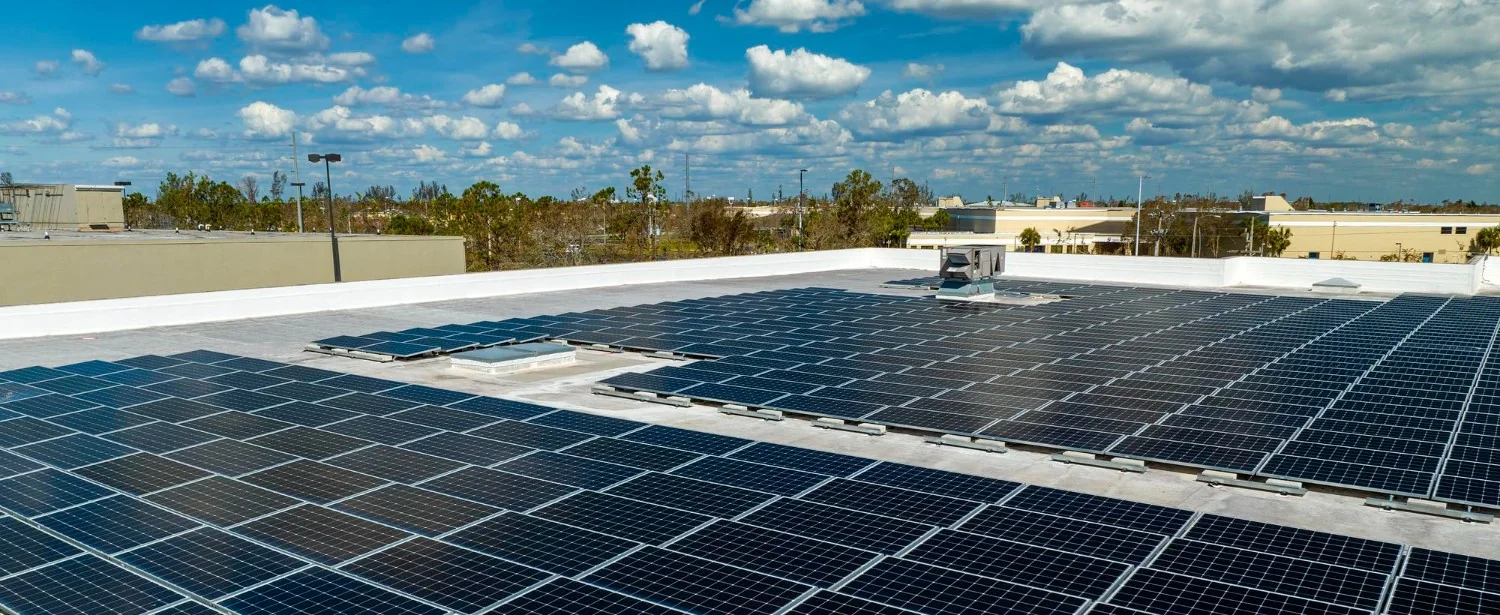
<ul><li><i>India’s rooftop solar capacity reached 30.7 GW in July 2026, increasing the need for better grid management and flexibility.</i></li><li><i>Kerala and Maharashtra are exploring battery ener…
• 𝘛𝘩𝘦 𝘌𝘐𝘉 𝘎𝘳𝘰𝘶𝘱 𝘱𝘭𝘢𝘯𝘴 𝘵𝘰 𝘱𝘳𝘰𝘷𝘪𝘥𝘦 𝘢𝘵 𝘭𝘦𝘢𝘴𝘵 €30 𝘣𝘪𝘭𝘭𝘪𝘰𝘯 𝘧𝘰𝘳 𝘤𝘭𝘪𝘮𝘢𝘵𝘦 𝘢𝘥𝘢𝘱𝘵𝘢𝘵𝘪𝘰𝘯 𝘣𝘦𝘵𝘸𝘦𝘦𝘯 2026 𝘢𝘯𝘥 2030. • 𝘛𝘩𝘦 𝘯𝘦𝘸 𝘵𝘢𝘳𝘨𝘦𝘵 𝘥𝘰𝘶𝘣𝘭𝘦𝘴 𝘢𝘥𝘢𝘱𝘵𝘢𝘵𝘪𝘰𝘯 𝘧𝘪𝘯𝘢𝘯𝘤𝘪𝘯𝘨 𝘤𝘰𝘮𝘱𝘢𝘳𝘦𝘥 𝘸𝘪𝘵𝘩 𝘵𝘩𝘦 𝘱𝘳𝘦𝘷𝘪𝘰𝘶𝘴 𝘧𝘪𝘷𝘦-𝘺𝘦𝘢𝘳 𝘱𝘦𝘳𝘪𝘰𝘥. • 𝘍𝘶𝘯𝘥𝘪𝘯𝘨…