

.jpg)
15 May 2026
Canada has announced a sweeping C$1 trillion strategy to double the capacity of its electricity grid by 2050, aiming to meet rising energy demand while strengthening national energy security and reducing dependence on the United States.
Prime Minister Mark Carney unveiled the plan amid growing pressure on Canada’s power systems from industrial expansion, artificial intelligence data centers, and accelerating electric vehicle adoption. At the same time, electricity generation has faced setbacks due to drought-driven reductions in hydroelectric output and the gradual retirement of coal-fired plants.
A key focus of the strategy is improving connectivity between regional electricity grids through new east-west transmission interties. The federal government plans to support these projects with investment tax credits, encouraging greater domestic energy integration as Canada reassesses its economic reliance on the U.S. following ongoing tariff tensions.
The government also announced changes to its clean electricity regulations, introducing greater flexibility for existing natural gas power plants and allowing the use of credible carbon offsets to maintain grid reliability. The move softens earlier regulations introduced under the previous administration, which had drawn criticism from provinces heavily reliant on natural gas generation.
While acknowledging that natural gas will continue to play a supporting role, Carney emphasized that Canada’s long-term energy future will be driven by large-scale investments in hydropower, nuclear energy, and renewable electricity. The strategy reflects Canada’s broader effort to balance economic growth, energy resilience, and climate transition objectives over the coming decades.
C$1 trillion for doubling grid capacity is one of the largest energy-infrastructure commitments in the developed world, and it defines what "electrify everything" actually costs at national scale. Our energy-transition and responsible-investment teams help clients evaluate what this grid buildout means for capex sequencing across generation, storage, transmission and industrial-electrification investment.

• 𝘛𝘩𝘦 𝘜𝘈𝘌 𝘍𝘰𝘰𝘥 𝘉𝘢𝘯𝘬 𝘢𝘯𝘥 𝘋𝘶𝘣𝘢𝘪’𝘴 𝘊𝘰𝘮𝘮𝘶𝘯𝘪𝘵𝘺 𝘋𝘦𝘷𝘦𝘭𝘰𝘱𝘮𝘦𝘯𝘵 𝘈𝘶𝘵𝘩𝘰𝘳𝘪𝘵𝘺 (𝘊𝘋𝘈) 𝘩𝘢𝘷𝘦 𝘴𝘪𝘨𝘯𝘦𝘥 𝘢𝘯 𝘢𝘨𝘳𝘦𝘦𝘮𝘦𝘯𝘵 𝘵𝘰 𝘤𝘰𝘭𝘭𝘦𝘤𝘵 𝘢𝘯𝘥 𝘳𝘦𝘥𝘪𝘴𝘵𝘳𝘪𝘣𝘶𝘵𝘦 𝘴𝘶𝘳𝘱𝘭𝘶𝘴 𝘧𝘰𝘰𝘥 𝘧𝘳𝘰𝘮 𝘸𝘦𝘥𝘥𝘪𝘯𝘨𝘴 𝘢𝘯𝘥 𝘦𝘷𝘦𝘯𝘵𝘴. • 𝘛𝘩𝘦 𝘪𝘯𝘪𝘵𝘪𝘢𝘵𝘪𝘷𝘦 𝘸𝘪𝘭𝘭 𝘧𝘰𝘭𝘭𝘰𝘸 𝘢𝘱𝘱𝘳𝘰𝘷𝘦𝘥…
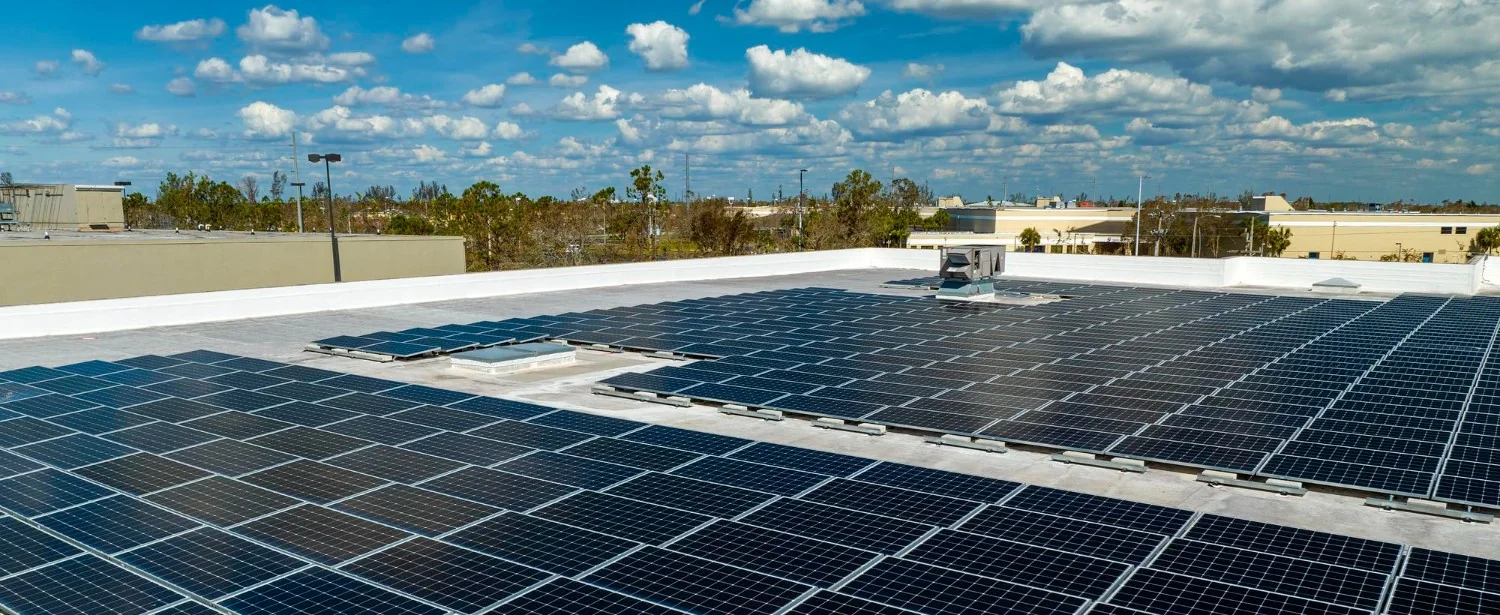
<ul><li><i>India’s rooftop solar capacity reached 30.7 GW in July 2026, increasing the need for better grid management and flexibility.</i></li><li><i>Kerala and Maharashtra are exploring battery ener…
• 𝘛𝘩𝘦 𝘌𝘐𝘉 𝘎𝘳𝘰𝘶𝘱 𝘱𝘭𝘢𝘯𝘴 𝘵𝘰 𝘱𝘳𝘰𝘷𝘪𝘥𝘦 𝘢𝘵 𝘭𝘦𝘢𝘴𝘵 €30 𝘣𝘪𝘭𝘭𝘪𝘰𝘯 𝘧𝘰𝘳 𝘤𝘭𝘪𝘮𝘢𝘵𝘦 𝘢𝘥𝘢𝘱𝘵𝘢𝘵𝘪𝘰𝘯 𝘣𝘦𝘵𝘸𝘦𝘦𝘯 2026 𝘢𝘯𝘥 2030. • 𝘛𝘩𝘦 𝘯𝘦𝘸 𝘵𝘢𝘳𝘨𝘦𝘵 𝘥𝘰𝘶𝘣𝘭𝘦𝘴 𝘢𝘥𝘢𝘱𝘵𝘢𝘵𝘪𝘰𝘯 𝘧𝘪𝘯𝘢𝘯𝘤𝘪𝘯𝘨 𝘤𝘰𝘮𝘱𝘢𝘳𝘦𝘥 𝘸𝘪𝘵𝘩 𝘵𝘩𝘦 𝘱𝘳𝘦𝘷𝘪𝘰𝘶𝘴 𝘧𝘪𝘷𝘦-𝘺𝘦𝘢𝘳 𝘱𝘦𝘳𝘪𝘰𝘥. • 𝘍𝘶𝘯𝘥𝘪𝘯𝘨…