

.jpg)
27 May 2026
Canada’s federal government is expressing strong confidence that oil sands producers can shoulder the cost of major carbon capture investments, even as industry leaders continue raising concerns about the competitiveness impacts of the country’s climate policies.
Canadian Energy Minister Tim Hodgson said the government remains “highly confident” that Alberta’s oil sands sector can absorb the costs associated with the proposed C$16.5 billion Pathways carbon capture and storage project. The project is considered a central pillar of Canada’s strategy to balance oil production growth with emissions reduction commitments.
The comments follow a recent agreement between Prime Minister Mark Carney’s government and the province of Alberta on the future trajectory of industrial carbon pricing. The deal establishes a long-term carbon pricing framework for large industrial emitters and is viewed as a critical step toward advancing both the Pathways project and a proposed new crude oil pipeline to Canada’s Pacific coast.
The Pathways initiative, backed by some of Canada’s largest oil sands producers, would capture carbon emissions from multiple facilities and transport them through a large pipeline network for underground storage in eastern Alberta. The agreement targets 16 million tonnes of annual emissions reductions over the next two decades, with an initial phase expected to remove six million tonnes annually by 2035.
Oil companies have argued that carbon pricing creates additional costs not faced by some international competitors, particularly U.S. producers. However, federal officials maintain the framework is necessary to secure long-term market access and support future energy infrastructure development.
Hodgson also suggested emerging technologies could significantly lower future decarbonization costs. He pointed to advances in direct air capture, carbon sequestration technologies, and small modular nuclear reactors as potential solutions that could improve the economics of emissions reduction in the oil sands sector over time.
The developments highlight Canada’s ongoing effort to align energy expansion with climate objectives while maintaining global competitiveness in the evolving energy market.
CCS in oil sands changes stranded-asset calculations - if the projects actually deliver and if verification credibility holds up. Our climate-action and sustainability-due-diligence teams help clients evaluate what CCS commitments mean for transition-plan credibility and disclosure.

• 𝘛𝘩𝘦 𝘜𝘈𝘌 𝘍𝘰𝘰𝘥 𝘉𝘢𝘯𝘬 𝘢𝘯𝘥 𝘋𝘶𝘣𝘢𝘪’𝘴 𝘊𝘰𝘮𝘮𝘶𝘯𝘪𝘵𝘺 𝘋𝘦𝘷𝘦𝘭𝘰𝘱𝘮𝘦𝘯𝘵 𝘈𝘶𝘵𝘩𝘰𝘳𝘪𝘵𝘺 (𝘊𝘋𝘈) 𝘩𝘢𝘷𝘦 𝘴𝘪𝘨𝘯𝘦𝘥 𝘢𝘯 𝘢𝘨𝘳𝘦𝘦𝘮𝘦𝘯𝘵 𝘵𝘰 𝘤𝘰𝘭𝘭𝘦𝘤𝘵 𝘢𝘯𝘥 𝘳𝘦𝘥𝘪𝘴𝘵𝘳𝘪𝘣𝘶𝘵𝘦 𝘴𝘶𝘳𝘱𝘭𝘶𝘴 𝘧𝘰𝘰𝘥 𝘧𝘳𝘰𝘮 𝘸𝘦𝘥𝘥𝘪𝘯𝘨𝘴 𝘢𝘯𝘥 𝘦𝘷𝘦𝘯𝘵𝘴. • 𝘛𝘩𝘦 𝘪𝘯𝘪𝘵𝘪𝘢𝘵𝘪𝘷𝘦 𝘸𝘪𝘭𝘭 𝘧𝘰𝘭𝘭𝘰𝘸 𝘢𝘱𝘱𝘳𝘰𝘷𝘦𝘥…
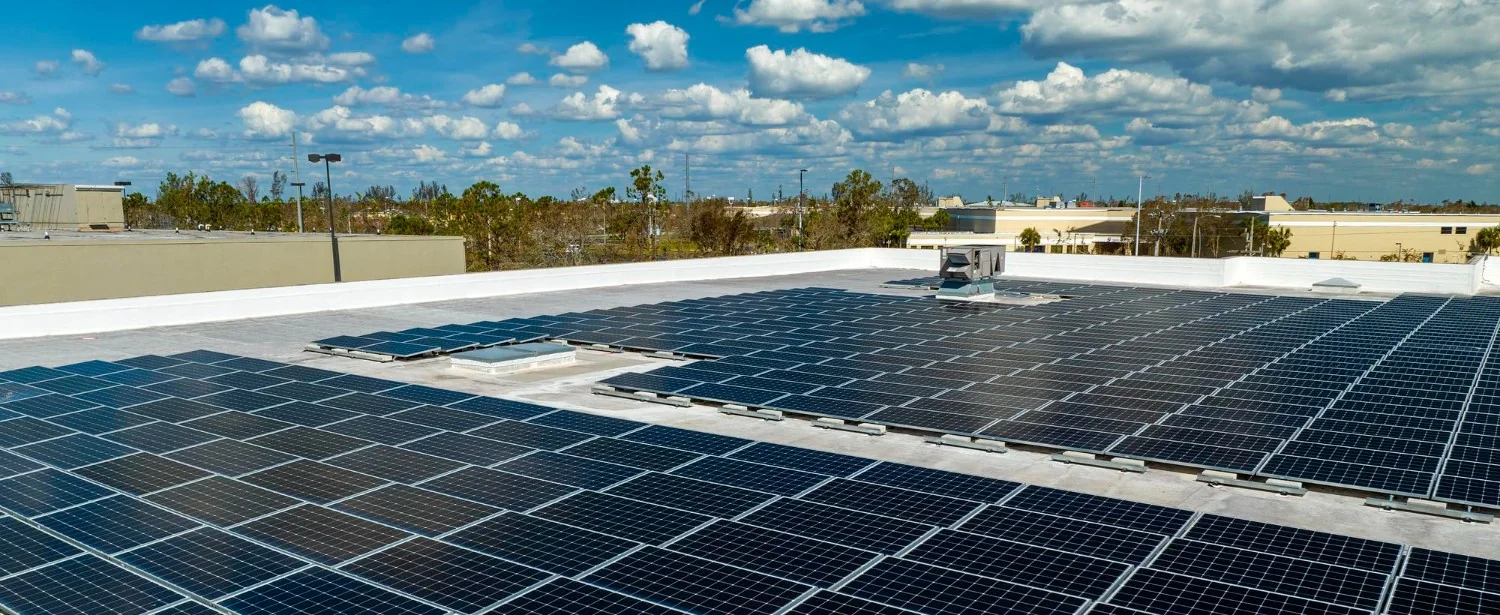
<ul><li><i>India’s rooftop solar capacity reached 30.7 GW in July 2026, increasing the need for better grid management and flexibility.</i></li><li><i>Kerala and Maharashtra are exploring battery ener…
• 𝘛𝘩𝘦 𝘌𝘐𝘉 𝘎𝘳𝘰𝘶𝘱 𝘱𝘭𝘢𝘯𝘴 𝘵𝘰 𝘱𝘳𝘰𝘷𝘪𝘥𝘦 𝘢𝘵 𝘭𝘦𝘢𝘴𝘵 €30 𝘣𝘪𝘭𝘭𝘪𝘰𝘯 𝘧𝘰𝘳 𝘤𝘭𝘪𝘮𝘢𝘵𝘦 𝘢𝘥𝘢𝘱𝘵𝘢𝘵𝘪𝘰𝘯 𝘣𝘦𝘵𝘸𝘦𝘦𝘯 2026 𝘢𝘯𝘥 2030. • 𝘛𝘩𝘦 𝘯𝘦𝘸 𝘵𝘢𝘳𝘨𝘦𝘵 𝘥𝘰𝘶𝘣𝘭𝘦𝘴 𝘢𝘥𝘢𝘱𝘵𝘢𝘵𝘪𝘰𝘯 𝘧𝘪𝘯𝘢𝘯𝘤𝘪𝘯𝘨 𝘤𝘰𝘮𝘱𝘢𝘳𝘦𝘥 𝘸𝘪𝘵𝘩 𝘵𝘩𝘦 𝘱𝘳𝘦𝘷𝘪𝘰𝘶𝘴 𝘧𝘪𝘷𝘦-𝘺𝘦𝘢𝘳 𝘱𝘦𝘳𝘪𝘰𝘥. • 𝘍𝘶𝘯𝘥𝘪𝘯𝘨…