

.jpg)
08 April 2026
The federal government of Canada has announced a $412.9 million investment over five years to renew its Pacific Salmon Strategy, aiming to protect and rebuild declining wild salmon populations along the West Coast.
Unveiled by Fisheries Minister Joanne Thompson in North Vancouver, the initiative builds on a program first launched in 2021. The renewed strategy will focus on habitat restoration, expanded hatchery programs, improved fisheries management, and stronger collaboration with Indigenous communities and scientific institutions.
Officials say the next phase will be “grounded in science and guided by Indigenous leadership,” reflecting a more integrated and long-term approach to ecosystem stewardship. The program has already supported the restoration of habitats, modernization of over 70 hatcheries, and efforts to combat illegal fishing.
However, conservation groups have warned that funding alone will not be enough. Organizations like Watershed Watch Salmon Society stress the need for on-the-ground monitoring and stronger oversight of industrial activities that could threaten fragile ecosystems. Concerns remain over potential impacts from resource development projects and reduced operational budgets within fisheries management.
The urgency is clear-government data shows that dozens of wild Pacific salmon populations are now classified as endangered, threatened, or of special concern. Experts are also calling for advances in selective fishing practices to reduce harm to vulnerable wild stocks.
As pressures from climate change, habitat loss, and industrial activity intensify, the renewed investment signals a critical effort to reverse declining trends. Its success, however, will depend on effective implementation, sustained monitoring, and continued collaboration across governments, Indigenous groups, and conservation stakeholders.
Pacific salmon recovery investment is where biodiversity finance and coastal-ecosystem management converge, and it matters for TNFD-aligned disclosure for corporates with coastal exposure. Our nature-based-solutions and impact-assessment teams help clients evaluate biodiversity-linked exposure and align with international frameworks.

• 𝘛𝘩𝘦 𝘜𝘈𝘌 𝘍𝘰𝘰𝘥 𝘉𝘢𝘯𝘬 𝘢𝘯𝘥 𝘋𝘶𝘣𝘢𝘪’𝘴 𝘊𝘰𝘮𝘮𝘶𝘯𝘪𝘵𝘺 𝘋𝘦𝘷𝘦𝘭𝘰𝘱𝘮𝘦𝘯𝘵 𝘈𝘶𝘵𝘩𝘰𝘳𝘪𝘵𝘺 (𝘊𝘋𝘈) 𝘩𝘢𝘷𝘦 𝘴𝘪𝘨𝘯𝘦𝘥 𝘢𝘯 𝘢𝘨𝘳𝘦𝘦𝘮𝘦𝘯𝘵 𝘵𝘰 𝘤𝘰𝘭𝘭𝘦𝘤𝘵 𝘢𝘯𝘥 𝘳𝘦𝘥𝘪𝘴𝘵𝘳𝘪𝘣𝘶𝘵𝘦 𝘴𝘶𝘳𝘱𝘭𝘶𝘴 𝘧𝘰𝘰𝘥 𝘧𝘳𝘰𝘮 𝘸𝘦𝘥𝘥𝘪𝘯𝘨𝘴 𝘢𝘯𝘥 𝘦𝘷𝘦𝘯𝘵𝘴. • 𝘛𝘩𝘦 𝘪𝘯𝘪𝘵𝘪𝘢𝘵𝘪𝘷𝘦 𝘸𝘪𝘭𝘭 𝘧𝘰𝘭𝘭𝘰𝘸 𝘢𝘱𝘱𝘳𝘰𝘷𝘦𝘥…
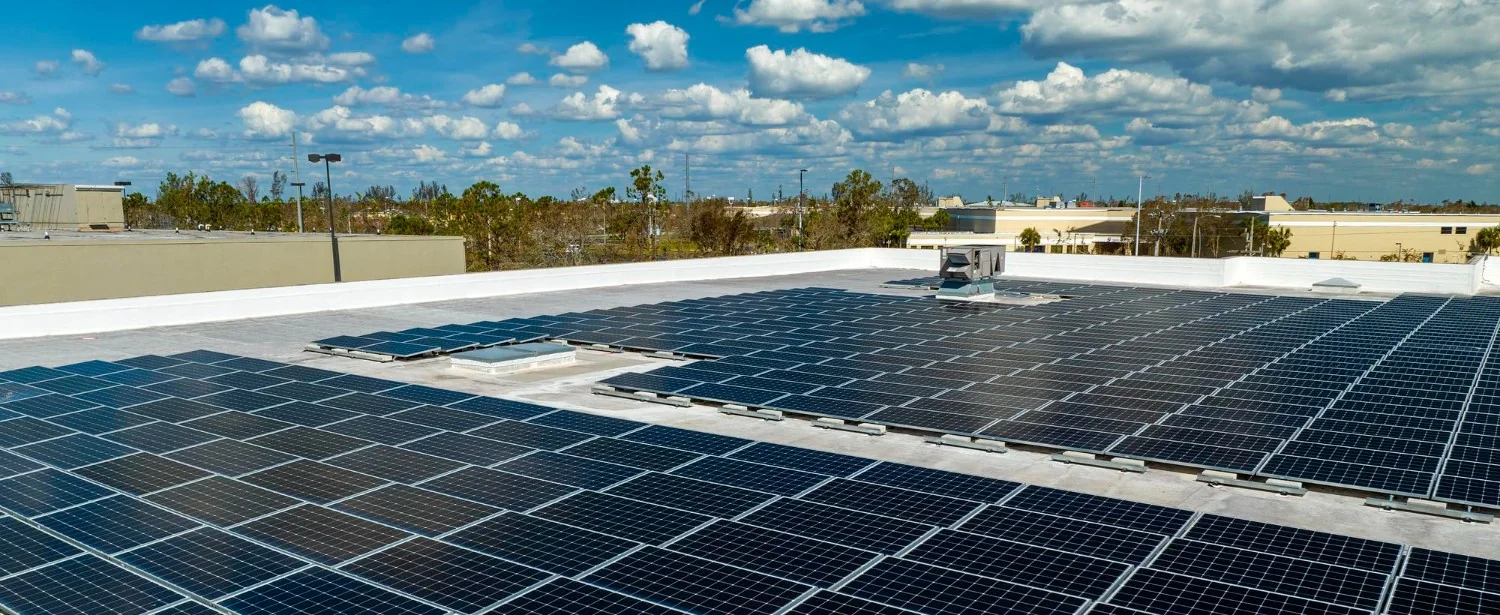
<ul><li><i>India’s rooftop solar capacity reached 30.7 GW in July 2026, increasing the need for better grid management and flexibility.</i></li><li><i>Kerala and Maharashtra are exploring battery ener…
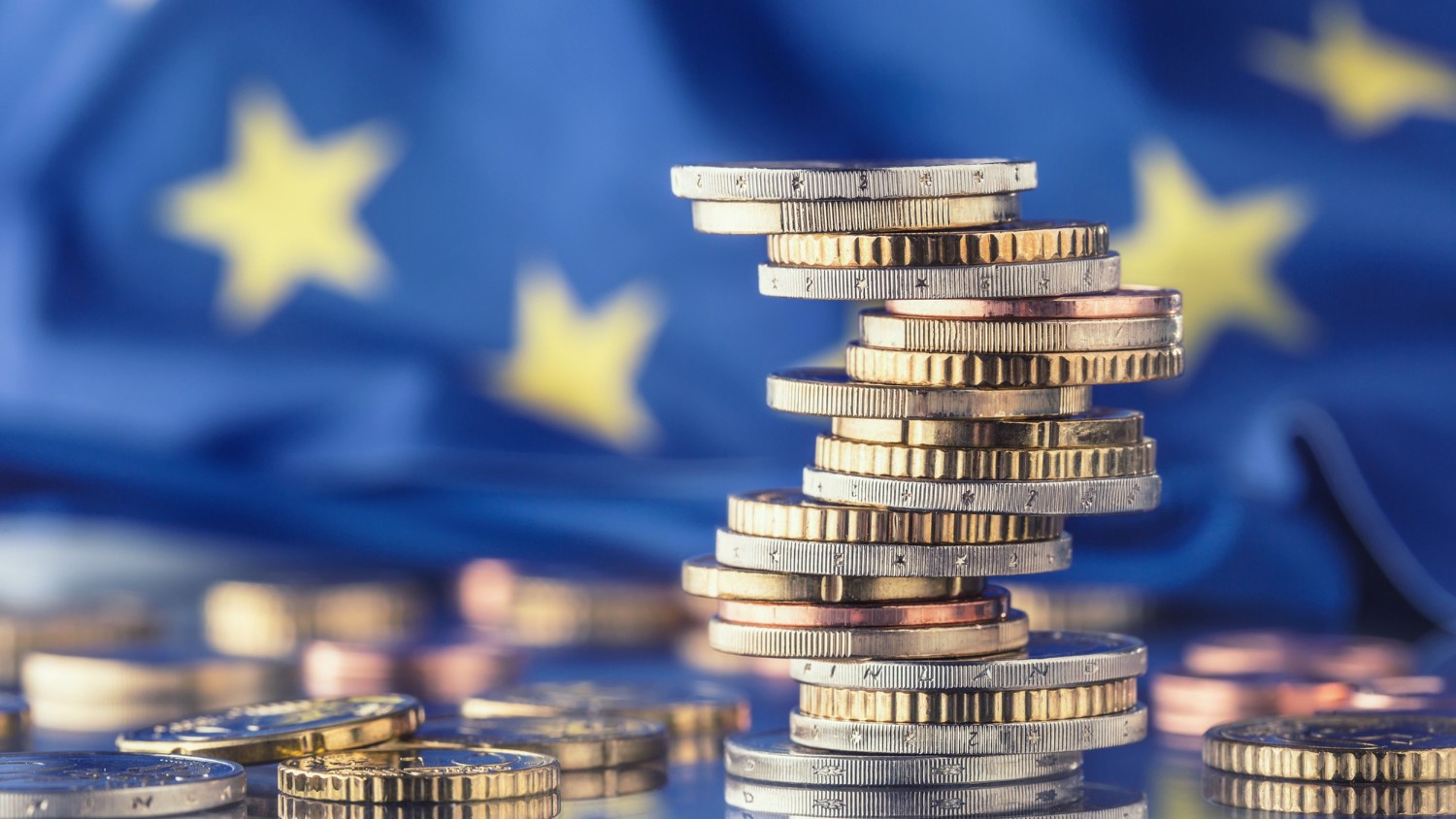
• 𝘛𝘩𝘦 𝘌𝘐𝘉 𝘎𝘳𝘰𝘶𝘱 𝘱𝘭𝘢𝘯𝘴 𝘵𝘰 𝘱𝘳𝘰𝘷𝘪𝘥𝘦 𝘢𝘵 𝘭𝘦𝘢𝘴𝘵 €30 𝘣𝘪𝘭𝘭𝘪𝘰𝘯 𝘧𝘰𝘳 𝘤𝘭𝘪𝘮𝘢𝘵𝘦 𝘢𝘥𝘢𝘱𝘵𝘢𝘵𝘪𝘰𝘯 𝘣𝘦𝘵𝘸𝘦𝘦𝘯 2026 𝘢𝘯𝘥 2030. • 𝘛𝘩𝘦 𝘯𝘦𝘸 𝘵𝘢𝘳𝘨𝘦𝘵 𝘥𝘰𝘶𝘣𝘭𝘦𝘴 𝘢𝘥𝘢𝘱𝘵𝘢𝘵𝘪𝘰𝘯 𝘧𝘪𝘯𝘢𝘯𝘤𝘪𝘯𝘨 𝘤𝘰𝘮𝘱𝘢𝘳𝘦𝘥 𝘸𝘪𝘵𝘩 𝘵𝘩𝘦 𝘱𝘳𝘦𝘷𝘪𝘰𝘶𝘴 𝘧𝘪𝘷𝘦-𝘺𝘦𝘢𝘳 𝘱𝘦𝘳𝘪𝘰𝘥. • 𝘍𝘶𝘯𝘥𝘪𝘯𝘨…