

.jpg)
01 April 2026
Canada has unveiled an ambitious C$3.8 billion ($2.7 billion) national nature strategy aimed at doubling its protected land and marine areas by the end of the decade, positioning the country at the forefront of global biodiversity action.
Announced by Prime Minister Mark Carney, the plan targets the protection of 30% of Canada’s land and oceans by 2030-aligning with the global “30×30” conservation goal. The initiative will safeguard at least 1.6 million square kilometres of land and up to 700,000 square kilometres of ocean over the next four years.
The strategy outlines a major expansion of conservation infrastructure, including up to 14 new marine protected areas, 10 national parks, additional freshwater conservation zones, and 15 national urban parks. The inclusion of urban parks signals a shift toward more accessible and socially inclusive conservation models.
Canada’s vast ecological assets-ranging from its boreal forests to its extensive freshwater systems-make the move globally significant. These ecosystems play a critical role in carbon storage, biodiversity preservation, and climate resilience, reinforcing Canada’s strategic importance in global environmental efforts.
Beyond conservation, the plan is expected to reshape regulatory and investment landscapes. Expanded protected zones could introduce stricter land-use rules, affecting sectors such as mining, energy, and infrastructure, while opening new opportunities in conservation finance and nature-based solutions.
The initiative also aligns with international frameworks like the Kunming-Montreal Global Biodiversity Framework, signaling a broader shift toward integrating biodiversity into economic and policy planning.
For businesses and investors, Canada’s move underscores a growing reality-nature is becoming a central pillar of economic strategy, not just an environmental concern.
$2.7 billion for 30x30-aligned protected-area expansion is exactly the biodiversity-finance signal that TNFD and SBTN-aligned corporate disclosure needs, and it reshapes how corporates with land-use exposure should think about biodiversity risk and opportunity. Our nature-based-solutions and impact-assessment teams help clients evaluate biodiversity exposure and align disclosure with international frameworks.

• 𝘛𝘩𝘦 𝘜𝘈𝘌 𝘍𝘰𝘰𝘥 𝘉𝘢𝘯𝘬 𝘢𝘯𝘥 𝘋𝘶𝘣𝘢𝘪’𝘴 𝘊𝘰𝘮𝘮𝘶𝘯𝘪𝘵𝘺 𝘋𝘦𝘷𝘦𝘭𝘰𝘱𝘮𝘦𝘯𝘵 𝘈𝘶𝘵𝘩𝘰𝘳𝘪𝘵𝘺 (𝘊𝘋𝘈) 𝘩𝘢𝘷𝘦 𝘴𝘪𝘨𝘯𝘦𝘥 𝘢𝘯 𝘢𝘨𝘳𝘦𝘦𝘮𝘦𝘯𝘵 𝘵𝘰 𝘤𝘰𝘭𝘭𝘦𝘤𝘵 𝘢𝘯𝘥 𝘳𝘦𝘥𝘪𝘴𝘵𝘳𝘪𝘣𝘶𝘵𝘦 𝘴𝘶𝘳𝘱𝘭𝘶𝘴 𝘧𝘰𝘰𝘥 𝘧𝘳𝘰𝘮 𝘸𝘦𝘥𝘥𝘪𝘯𝘨𝘴 𝘢𝘯𝘥 𝘦𝘷𝘦𝘯𝘵𝘴. • 𝘛𝘩𝘦 𝘪𝘯𝘪𝘵𝘪𝘢𝘵𝘪𝘷𝘦 𝘸𝘪𝘭𝘭 𝘧𝘰𝘭𝘭𝘰𝘸 𝘢𝘱𝘱𝘳𝘰𝘷𝘦𝘥…
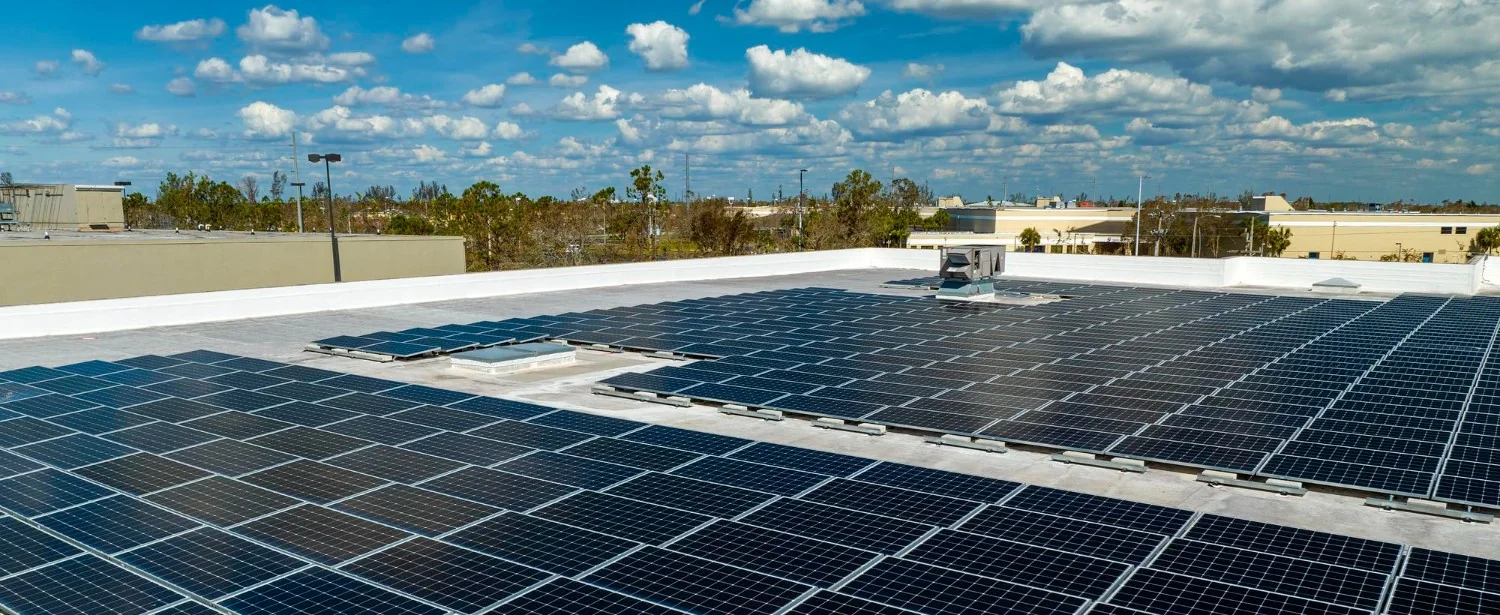
<ul><li><i>India’s rooftop solar capacity reached 30.7 GW in July 2026, increasing the need for better grid management and flexibility.</i></li><li><i>Kerala and Maharashtra are exploring battery ener…

• 𝘛𝘩𝘦 𝘌𝘐𝘉 𝘎𝘳𝘰𝘶𝘱 𝘱𝘭𝘢𝘯𝘴 𝘵𝘰 𝘱𝘳𝘰𝘷𝘪𝘥𝘦 𝘢𝘵 𝘭𝘦𝘢𝘴𝘵 €30 𝘣𝘪𝘭𝘭𝘪𝘰𝘯 𝘧𝘰𝘳 𝘤𝘭𝘪𝘮𝘢𝘵𝘦 𝘢𝘥𝘢𝘱𝘵𝘢𝘵𝘪𝘰𝘯 𝘣𝘦𝘵𝘸𝘦𝘦𝘯 2026 𝘢𝘯𝘥 2030. • 𝘛𝘩𝘦 𝘯𝘦𝘸 𝘵𝘢𝘳𝘨𝘦𝘵 𝘥𝘰𝘶𝘣𝘭𝘦𝘴 𝘢𝘥𝘢𝘱𝘵𝘢𝘵𝘪𝘰𝘯 𝘧𝘪𝘯𝘢𝘯𝘤𝘪𝘯𝘨 𝘤𝘰𝘮𝘱𝘢𝘳𝘦𝘥 𝘸𝘪𝘵𝘩 𝘵𝘩𝘦 𝘱𝘳𝘦𝘷𝘪𝘰𝘶𝘴 𝘧𝘪𝘷𝘦-𝘺𝘦𝘢𝘳 𝘱𝘦𝘳𝘪𝘰𝘥. • 𝘍𝘶𝘯𝘥𝘪𝘯𝘨…