

23 July 2026
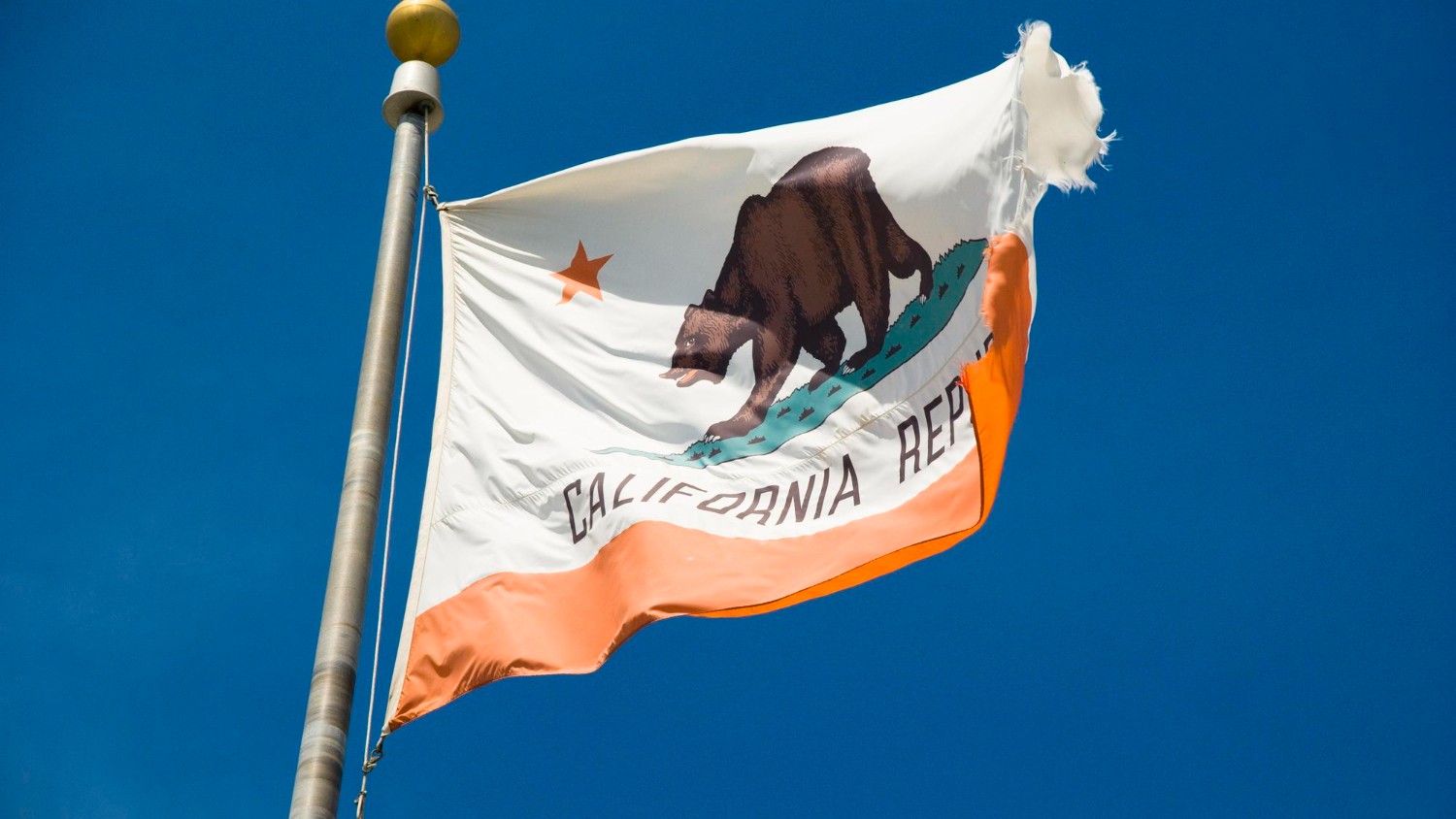
California’s Cap-and-Invest program has generated $36.2 billion for climate and community initiatives, reinforcing the potential of carbon pricing to turn emissions regulation into large-scale public investment. According to the California Air Resources Board’s 2026 annual report, $15.5 billion has already been deployed through 122 programs supporting more than 600,000 projects across housing, transportation, energy efficiency, workforce development, and climate resilience.
The investment has been particularly targeted toward communities facing the greatest environmental and economic challenges. Approximately $11.4 billion-or 76% of deployed funding-has benefited disadvantaged and low-income communities. Projects supported by the program are expected to avoid 130.5 million metric tons of carbon dioxide equivalent over their lifetimes, while contributing to the development of affordable housing, job creation, and household energy savings.
California estimates that the investments could deliver $44.4 billion in consumer and economic benefits, including reduced fuel use, lower transportation costs, and smaller household energy bills. The program has also been linked to more than 143,000 jobs and 16,386 affordable homes currently under contract.
Under the Cap-and-Invest system, California places a declining limit on emissions from major polluters and auctions emission allowances, directing the proceeds to the Greenhouse Gas Reduction Fund. The state expects an additional $8 billion to flow into the fund by 2030.
Recent program updates aim to maintain progress toward California’s 2030 and 2045 climate targets while addressing affordability concerns. The revised system is expected to provide $10 billion in direct electricity bill relief through customer credits.
California’s experience offers a significant case study for jurisdictions seeking to combine carbon pricing with public investment, demonstrating that the long-term credibility of emissions markets may depend not only on emissions reductions, but also on affordability, transparency, and visible benefits for communities.
$36.2 billion of carbon-market revenue channelled into climate and community investment shows the real fiscal impact of well-designed carbon pricing, and it's a template that other jurisdictions will study. Our climate-action and responsible-investment teams help clients evaluate what carbon-market design means for their carbon-cost planning and disclosure.

• 𝘛𝘩𝘦 𝘜𝘈𝘌 𝘍𝘰𝘰𝘥 𝘉𝘢𝘯𝘬 𝘢𝘯𝘥 𝘋𝘶𝘣𝘢𝘪’𝘴 𝘊𝘰𝘮𝘮𝘶𝘯𝘪𝘵𝘺 𝘋𝘦𝘷𝘦𝘭𝘰𝘱𝘮𝘦𝘯𝘵 𝘈𝘶𝘵𝘩𝘰𝘳𝘪𝘵𝘺 (𝘊𝘋𝘈) 𝘩𝘢𝘷𝘦 𝘴𝘪𝘨𝘯𝘦𝘥 𝘢𝘯 𝘢𝘨𝘳𝘦𝘦𝘮𝘦𝘯𝘵 𝘵𝘰 𝘤𝘰𝘭𝘭𝘦𝘤𝘵 𝘢𝘯𝘥 𝘳𝘦𝘥𝘪𝘴𝘵𝘳𝘪𝘣𝘶𝘵𝘦 𝘴𝘶𝘳𝘱𝘭𝘶𝘴 𝘧𝘰𝘰𝘥 𝘧𝘳𝘰𝘮 𝘸𝘦𝘥𝘥𝘪𝘯𝘨𝘴 𝘢𝘯𝘥 𝘦𝘷𝘦𝘯𝘵𝘴. • 𝘛𝘩𝘦 𝘪𝘯𝘪𝘵𝘪𝘢𝘵𝘪𝘷𝘦 𝘸𝘪𝘭𝘭 𝘧𝘰𝘭𝘭𝘰𝘸 𝘢𝘱𝘱𝘳𝘰𝘷𝘦𝘥…
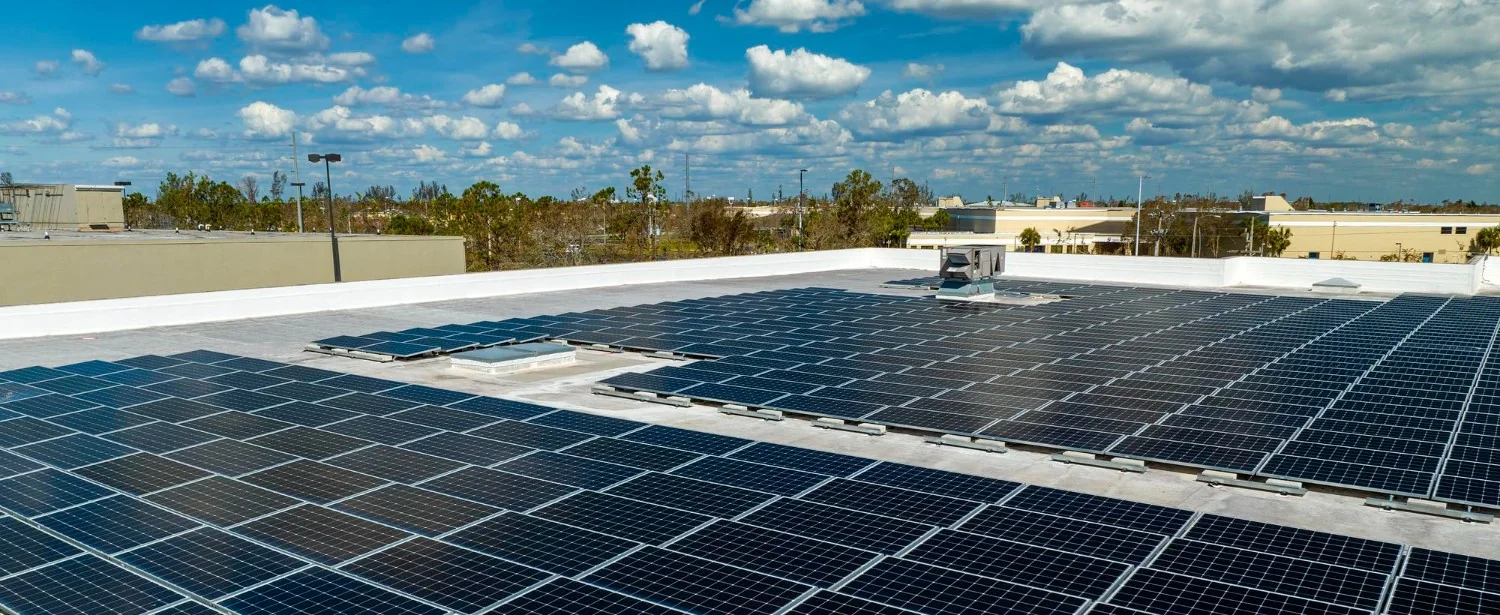
<ul><li><i>India’s rooftop solar capacity reached 30.7 GW in July 2026, increasing the need for better grid management and flexibility.</i></li><li><i>Kerala and Maharashtra are exploring battery ener…
• 𝘛𝘩𝘦 𝘌𝘐𝘉 𝘎𝘳𝘰𝘶𝘱 𝘱𝘭𝘢𝘯𝘴 𝘵𝘰 𝘱𝘳𝘰𝘷𝘪𝘥𝘦 𝘢𝘵 𝘭𝘦𝘢𝘴𝘵 €30 𝘣𝘪𝘭𝘭𝘪𝘰𝘯 𝘧𝘰𝘳 𝘤𝘭𝘪𝘮𝘢𝘵𝘦 𝘢𝘥𝘢𝘱𝘵𝘢𝘵𝘪𝘰𝘯 𝘣𝘦𝘵𝘸𝘦𝘦𝘯 2026 𝘢𝘯𝘥 2030. • 𝘛𝘩𝘦 𝘯𝘦𝘸 𝘵𝘢𝘳𝘨𝘦𝘵 𝘥𝘰𝘶𝘣𝘭𝘦𝘴 𝘢𝘥𝘢𝘱𝘵𝘢𝘵𝘪𝘰𝘯 𝘧𝘪𝘯𝘢𝘯𝘤𝘪𝘯𝘨 𝘤𝘰𝘮𝘱𝘢𝘳𝘦𝘥 𝘸𝘪𝘵𝘩 𝘵𝘩𝘦 𝘱𝘳𝘦𝘷𝘪𝘰𝘶𝘴 𝘧𝘪𝘷𝘦-𝘺𝘦𝘢𝘳 𝘱𝘦𝘳𝘪𝘰𝘥. • 𝘍𝘶𝘯𝘥𝘪𝘯𝘨…