

.jpg)
20 August 2025
A coalition of Democratic-led states, spearheaded by California, is urging the Trump administration to abandon its plan to repeal the legal foundation for U.S. greenhouse gas regulations.
The proposal, announced by EPA Administrator Lee Zeldin, seeks to revoke the 2009 “endangerment finding,” which determined that greenhouse gas emissions pose a threat to human health.
If finalized, the move would eliminate the basis for regulating emissions from vehicles, power plants, and industrial facilities, potentially dismantling decades of climate policy.
California Attorney General Rob Bonta blasted the proposal as unlawful, saying it relies on “a draft, unvetted, scientifically unsound report” to override well-established science. Attorneys general from Massachusetts, Arizona, and Michigan echoed concerns, warning that repealing the finding would strip away vehicle emissions standards and ignore the mounting costs of climate change.
The EPA has defended its proposal, arguing that rolling back regulations will save money and ease industry burdens. But opponents contend it represents a dangerous retreat from climate action, leaving the U.S. ill-equipped to address global warming. Virtual hearings are underway this week to gather public input as states prepare for a likely legal showdown.
Repealing the 2009 endangerment finding would be one of the most consequential regulatory changes in US environmental history. The finding provides the statutory basis under the Clean Air Act for essentially all federal greenhouse-gas regulations - vehicle standards, power-plant rules, industrial-facility permits. Reversal would trigger extensive litigation and potentially require legislative action to restore any regulatory authority.
The multi-state legal-challenge coalition (California, Massachusetts, Arizona, Michigan) signals that state-level enforcement will attempt to preserve climate regulatory capability even where federal authority is stripped. This pattern of state-federal divergence, previously seen on vehicle standards and other issues, is likely to become the dominant frame for US climate regulation over the coming years.
For corporates, utilities, manufacturers and financial institutions with US regulatory exposure, Cognitud's climate action, sustainability due diligence and market intelligence teams help clients evaluate exposure to federal-state regulatory divergence scenarios, structure compliance strategies robust across jurisdictions, and prepare disclosures aligned with TCFD, ISSB and jurisdictional frameworks that translate US regulatory volatility into decision-useful risk narratives.

• 𝘛𝘩𝘦 𝘜𝘈𝘌 𝘍𝘰𝘰𝘥 𝘉𝘢𝘯𝘬 𝘢𝘯𝘥 𝘋𝘶𝘣𝘢𝘪’𝘴 𝘊𝘰𝘮𝘮𝘶𝘯𝘪𝘵𝘺 𝘋𝘦𝘷𝘦𝘭𝘰𝘱𝘮𝘦𝘯𝘵 𝘈𝘶𝘵𝘩𝘰𝘳𝘪𝘵𝘺 (𝘊𝘋𝘈) 𝘩𝘢𝘷𝘦 𝘴𝘪𝘨𝘯𝘦𝘥 𝘢𝘯 𝘢𝘨𝘳𝘦𝘦𝘮𝘦𝘯𝘵 𝘵𝘰 𝘤𝘰𝘭𝘭𝘦𝘤𝘵 𝘢𝘯𝘥 𝘳𝘦𝘥𝘪𝘴𝘵𝘳𝘪𝘣𝘶𝘵𝘦 𝘴𝘶𝘳𝘱𝘭𝘶𝘴 𝘧𝘰𝘰𝘥 𝘧𝘳𝘰𝘮 𝘸𝘦𝘥𝘥𝘪𝘯𝘨𝘴 𝘢𝘯𝘥 𝘦𝘷𝘦𝘯𝘵𝘴. • 𝘛𝘩𝘦 𝘪𝘯𝘪𝘵𝘪𝘢𝘵𝘪𝘷𝘦 𝘸𝘪𝘭𝘭 𝘧𝘰𝘭𝘭𝘰𝘸 𝘢𝘱𝘱𝘳𝘰𝘷𝘦𝘥…
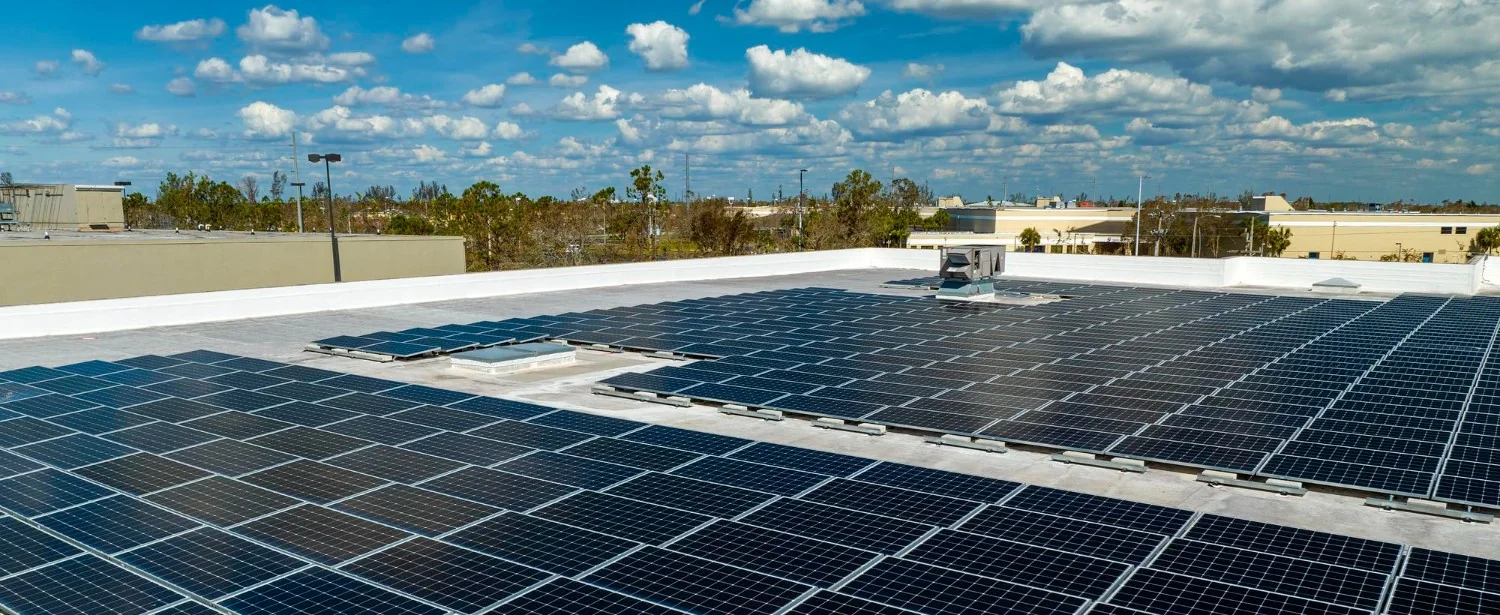
<ul><li><i>India’s rooftop solar capacity reached 30.7 GW in July 2026, increasing the need for better grid management and flexibility.</i></li><li><i>Kerala and Maharashtra are exploring battery ener…

• 𝘛𝘩𝘦 𝘌𝘐𝘉 𝘎𝘳𝘰𝘶𝘱 𝘱𝘭𝘢𝘯𝘴 𝘵𝘰 𝘱𝘳𝘰𝘷𝘪𝘥𝘦 𝘢𝘵 𝘭𝘦𝘢𝘴𝘵 €30 𝘣𝘪𝘭𝘭𝘪𝘰𝘯 𝘧𝘰𝘳 𝘤𝘭𝘪𝘮𝘢𝘵𝘦 𝘢𝘥𝘢𝘱𝘵𝘢𝘵𝘪𝘰𝘯 𝘣𝘦𝘵𝘸𝘦𝘦𝘯 2026 𝘢𝘯𝘥 2030. • 𝘛𝘩𝘦 𝘯𝘦𝘸 𝘵𝘢𝘳𝘨𝘦𝘵 𝘥𝘰𝘶𝘣𝘭𝘦𝘴 𝘢𝘥𝘢𝘱𝘵𝘢𝘵𝘪𝘰𝘯 𝘧𝘪𝘯𝘢𝘯𝘤𝘪𝘯𝘨 𝘤𝘰𝘮𝘱𝘢𝘳𝘦𝘥 𝘸𝘪𝘵𝘩 𝘵𝘩𝘦 𝘱𝘳𝘦𝘷𝘪𝘰𝘶𝘴 𝘧𝘪𝘷𝘦-𝘺𝘦𝘢𝘳 𝘱𝘦𝘳𝘪𝘰𝘥. • 𝘍𝘶𝘯𝘥𝘪𝘯𝘨…