

.jpg)
25 March 2026
California is advancing one of the most ambitious corporate climate disclosure frameworks in the U.S., as regulators outline how to implement Scope 3 emissions reporting under SB 253. The proposed rules will apply to companies generating over $1 billion in annual revenue and operating in or selling into the state-signaling far-reaching implications for global businesses.
Starting in 2026, companies will be required to disclose Scope 1 and Scope 2 emissions. By 2027, this expands to Scope 3-covering indirect emissions across supply chains, product use, and end-of-life impacts-often the largest and most complex share of a company’s carbon footprint.
The California Air Resources Board (CARB) has proposed three rollout models. A “broad applicability” approach would require full Scope 3 reporting across all categories from the outset. A “sectoral phase-in” would prioritize emissions-intensive industries like transport and manufacturing. Meanwhile, a “category phase-in” would begin with commonly tracked emissions such as business travel and purchased goods, offering a more gradual transition.
Recognizing the difficulty of measuring Scope 3 emissions, CARB is allowing flexible methodologies, including spend-based, activity-based, and supplier-specific data approaches, or a hybrid of these.
Compliance costs are expected to range between $135,000 and $152,000 annually per company in the initial years, driven by investments in data systems and supplier engagement. Beyond cost, the regulation introduces strategic and reputational risks, pushing companies to rethink supply chains and product design.
As California moves forward, its framework is likely to set a global benchmark-accelerating the shift toward full value chain transparency and redefining corporate climate accountability.
SB 253's Scope 3 mandate for $1bn+ firms is one of the most consequential sub-national climate-disclosure rules globally, and it applies well beyond California-headquartered companies. Our ESG-strategy and sustainability-due-diligence teams help US clients build Scope 3 data infrastructure that satisfies California, SEC-adjacent and ISSB S2 requirements simultaneously.

• 𝘛𝘩𝘦 𝘜𝘈𝘌 𝘍𝘰𝘰𝘥 𝘉𝘢𝘯𝘬 𝘢𝘯𝘥 𝘋𝘶𝘣𝘢𝘪’𝘴 𝘊𝘰𝘮𝘮𝘶𝘯𝘪𝘵𝘺 𝘋𝘦𝘷𝘦𝘭𝘰𝘱𝘮𝘦𝘯𝘵 𝘈𝘶𝘵𝘩𝘰𝘳𝘪𝘵𝘺 (𝘊𝘋𝘈) 𝘩𝘢𝘷𝘦 𝘴𝘪𝘨𝘯𝘦𝘥 𝘢𝘯 𝘢𝘨𝘳𝘦𝘦𝘮𝘦𝘯𝘵 𝘵𝘰 𝘤𝘰𝘭𝘭𝘦𝘤𝘵 𝘢𝘯𝘥 𝘳𝘦𝘥𝘪𝘴𝘵𝘳𝘪𝘣𝘶𝘵𝘦 𝘴𝘶𝘳𝘱𝘭𝘶𝘴 𝘧𝘰𝘰𝘥 𝘧𝘳𝘰𝘮 𝘸𝘦𝘥𝘥𝘪𝘯𝘨𝘴 𝘢𝘯𝘥 𝘦𝘷𝘦𝘯𝘵𝘴. • 𝘛𝘩𝘦 𝘪𝘯𝘪𝘵𝘪𝘢𝘵𝘪𝘷𝘦 𝘸𝘪𝘭𝘭 𝘧𝘰𝘭𝘭𝘰𝘸 𝘢𝘱𝘱𝘳𝘰𝘷𝘦𝘥…
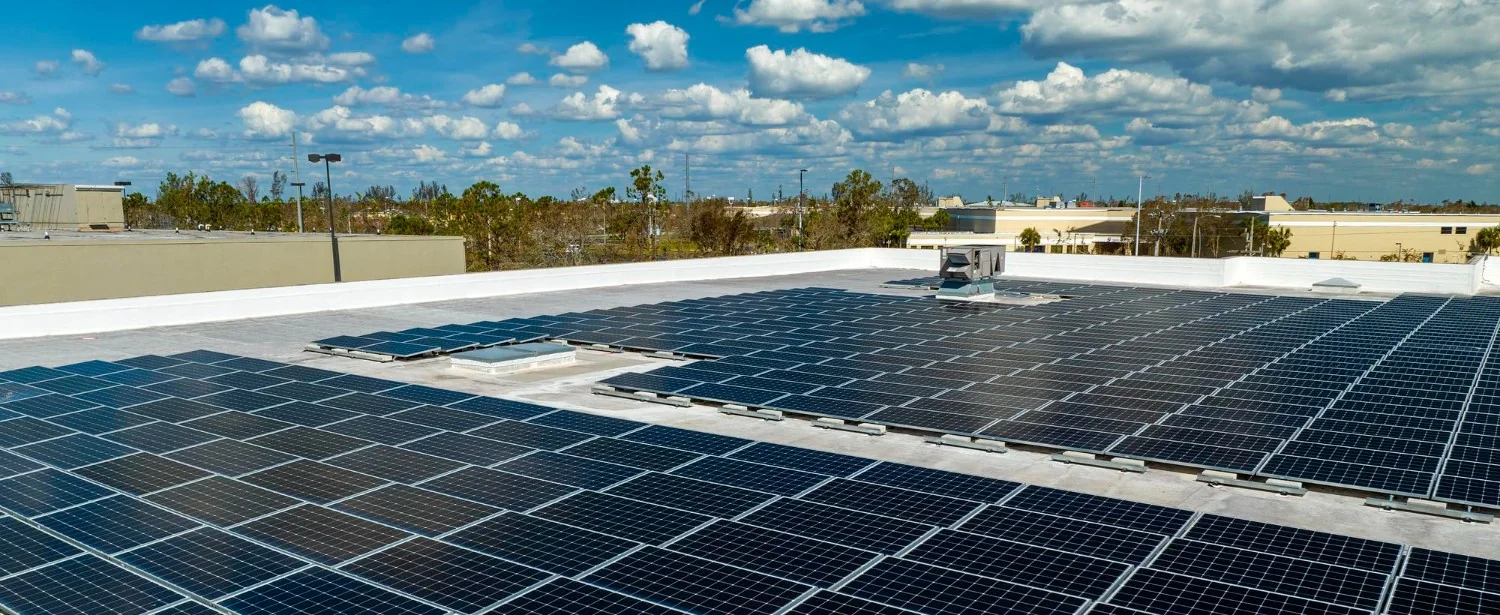
<ul><li><i>India’s rooftop solar capacity reached 30.7 GW in July 2026, increasing the need for better grid management and flexibility.</i></li><li><i>Kerala and Maharashtra are exploring battery ener…

• 𝘛𝘩𝘦 𝘌𝘐𝘉 𝘎𝘳𝘰𝘶𝘱 𝘱𝘭𝘢𝘯𝘴 𝘵𝘰 𝘱𝘳𝘰𝘷𝘪𝘥𝘦 𝘢𝘵 𝘭𝘦𝘢𝘴𝘵 €30 𝘣𝘪𝘭𝘭𝘪𝘰𝘯 𝘧𝘰𝘳 𝘤𝘭𝘪𝘮𝘢𝘵𝘦 𝘢𝘥𝘢𝘱𝘵𝘢𝘵𝘪𝘰𝘯 𝘣𝘦𝘵𝘸𝘦𝘦𝘯 2026 𝘢𝘯𝘥 2030. • 𝘛𝘩𝘦 𝘯𝘦𝘸 𝘵𝘢𝘳𝘨𝘦𝘵 𝘥𝘰𝘶𝘣𝘭𝘦𝘴 𝘢𝘥𝘢𝘱𝘵𝘢𝘵𝘪𝘰𝘯 𝘧𝘪𝘯𝘢𝘯𝘤𝘪𝘯𝘨 𝘤𝘰𝘮𝘱𝘢𝘳𝘦𝘥 𝘸𝘪𝘵𝘩 𝘵𝘩𝘦 𝘱𝘳𝘦𝘷𝘪𝘰𝘶𝘴 𝘧𝘪𝘷𝘦-𝘺𝘦𝘢𝘳 𝘱𝘦𝘳𝘪𝘰𝘥. • 𝘍𝘶𝘯𝘥𝘪𝘯𝘨…