

.jpg)
10 March 2026
The California Air Resources Board (CARB) has finalized its initial rulemaking package to implement two landmark climate disclosure laws-SB 253 and SB 261-marking a key step toward corporate climate accountability while leaving critical details unresolved.
The newly adopted rules largely mirror the December 2025 proposal, focusing on foundational elements such as reporting timelines, fee structures, and key definitions. However, CARB has deliberately deferred more complex issues-particularly how companies will report Scope 3 emissions-until a broader rulemaking expected later in 2026.
Under SB 253, companies meeting revenue thresholds must begin reporting Scope 1 and Scope 2 emissions by August 10, 2026, using fiscal-year-aligned data. CARB indicated it will allow enforcement flexibility in the first year, provided companies demonstrate “good faith” efforts, such as submitting available data and outlining plans to address gaps.
Meanwhile, SB 261-which mandates climate-related financial risk disclosures-remains in limbo due to an injunction issued by the U.S. Court of Appeals for the Ninth Circuit. Although enforcement is paused, more than 120 companies have already voluntarily submitted reports.
One notable development is CARB’s indication that insurance companies may eventually be exempt from SB 253, given overlapping disclosures already made to the California Department of Insurance. The regulator plans to coordinate with the department to minimize duplication.
CARB also confirmed a standardized definition of revenue based on California tax law and introduced a flat-rate fee structure to fund program administration.
With legal challenges ongoing and major elements like Scope 3 reporting still undefined, California’s climate disclosure regime is taking shape in phases. The next round of rulemaking will be pivotal in determining how far-and how fast-corporate climate transparency evolves.
SB 253's finalisation with lingering Scope 3 questions is a real inflection point for US climate disclosure, and it will influence how issuers structure their data infrastructure for years. Our ESG-strategy and sustainability-due-diligence teams help US clients build Scope 3 disclosure infrastructure that satisfies California, SEC-adjacent and ISSB S2 requirements.

• 𝘛𝘩𝘦 𝘜𝘈𝘌 𝘍𝘰𝘰𝘥 𝘉𝘢𝘯𝘬 𝘢𝘯𝘥 𝘋𝘶𝘣𝘢𝘪’𝘴 𝘊𝘰𝘮𝘮𝘶𝘯𝘪𝘵𝘺 𝘋𝘦𝘷𝘦𝘭𝘰𝘱𝘮𝘦𝘯𝘵 𝘈𝘶𝘵𝘩𝘰𝘳𝘪𝘵𝘺 (𝘊𝘋𝘈) 𝘩𝘢𝘷𝘦 𝘴𝘪𝘨𝘯𝘦𝘥 𝘢𝘯 𝘢𝘨𝘳𝘦𝘦𝘮𝘦𝘯𝘵 𝘵𝘰 𝘤𝘰𝘭𝘭𝘦𝘤𝘵 𝘢𝘯𝘥 𝘳𝘦𝘥𝘪𝘴𝘵𝘳𝘪𝘣𝘶𝘵𝘦 𝘴𝘶𝘳𝘱𝘭𝘶𝘴 𝘧𝘰𝘰𝘥 𝘧𝘳𝘰𝘮 𝘸𝘦𝘥𝘥𝘪𝘯𝘨𝘴 𝘢𝘯𝘥 𝘦𝘷𝘦𝘯𝘵𝘴. • 𝘛𝘩𝘦 𝘪𝘯𝘪𝘵𝘪𝘢𝘵𝘪𝘷𝘦 𝘸𝘪𝘭𝘭 𝘧𝘰𝘭𝘭𝘰𝘸 𝘢𝘱𝘱𝘳𝘰𝘷𝘦𝘥…
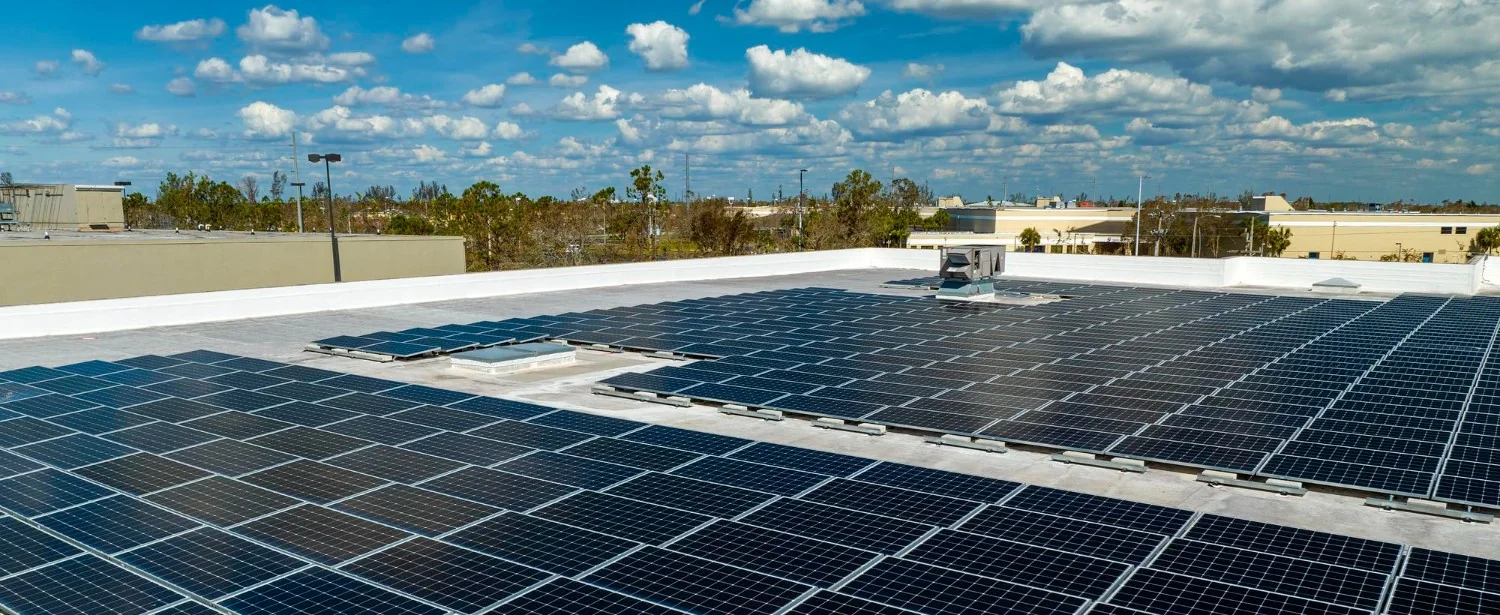
<ul><li><i>India’s rooftop solar capacity reached 30.7 GW in July 2026, increasing the need for better grid management and flexibility.</i></li><li><i>Kerala and Maharashtra are exploring battery ener…

• 𝘛𝘩𝘦 𝘌𝘐𝘉 𝘎𝘳𝘰𝘶𝘱 𝘱𝘭𝘢𝘯𝘴 𝘵𝘰 𝘱𝘳𝘰𝘷𝘪𝘥𝘦 𝘢𝘵 𝘭𝘦𝘢𝘴𝘵 €30 𝘣𝘪𝘭𝘭𝘪𝘰𝘯 𝘧𝘰𝘳 𝘤𝘭𝘪𝘮𝘢𝘵𝘦 𝘢𝘥𝘢𝘱𝘵𝘢𝘵𝘪𝘰𝘯 𝘣𝘦𝘵𝘸𝘦𝘦𝘯 2026 𝘢𝘯𝘥 2030. • 𝘛𝘩𝘦 𝘯𝘦𝘸 𝘵𝘢𝘳𝘨𝘦𝘵 𝘥𝘰𝘶𝘣𝘭𝘦𝘴 𝘢𝘥𝘢𝘱𝘵𝘢𝘵𝘪𝘰𝘯 𝘧𝘪𝘯𝘢𝘯𝘤𝘪𝘯𝘨 𝘤𝘰𝘮𝘱𝘢𝘳𝘦𝘥 𝘸𝘪𝘵𝘩 𝘵𝘩𝘦 𝘱𝘳𝘦𝘷𝘪𝘰𝘶𝘴 𝘧𝘪𝘷𝘦-𝘺𝘦𝘢𝘳 𝘱𝘦𝘳𝘪𝘰𝘥. • 𝘍𝘶𝘯𝘥𝘪𝘯𝘨…