

.jpg)
17 February 2026
California and Connecticut are preparing a coordinated legal challenge against President Donald Trump’s decision to repeal the federal “endangerment finding,” a landmark determination that greenhouse gas emissions from vehicles pose a threat to public health.
The Environmental Protection Agency last week rescinded the finding, which has long served as the legal foundation for regulating emissions from automakers, power plants, and oil and gas operations. President Trump described the move as the nation’s “biggest deregulatory action.”
Connecticut Attorney General William Tong said the states are developing a multi-state “plan of attack,” carefully assessing legal standing and potential claims before filing suit. California Attorney General Rob Bonta confirmed that discussions are underway and indicated that any legal response would be timely, though precise timelines were not disclosed.
Transportation and power generation together account for roughly half of U.S. greenhouse gas emissions, making the endangerment finding central to federal climate oversight. Legal analysts suggest the repeal could also reopen the door to public nuisance lawsuits, an avenue largely curtailed by a 2011 Supreme Court ruling that assigned primary authority over greenhouse gas regulation to the EPA.
The anticipated lawsuit signals a renewed state-level push to defend climate regulation amid sweeping federal rollbacks.
The California-Connecticut multi-state legal response to the endangerment-finding repeal reflects the well-established pattern of state-level pushback against federal climate rollbacks. The endangerment finding underpins virtually all federal greenhouse-gas regulatory authority; repealing it would reset the legal foundation for climate rules across transport, power and industrial sectors.
Transport and power together representing ~50 percent of US greenhouse-gas emissions plus the possible reopening of public-nuisance litigation pathways captures the substantial regulatory-and-litigation stakes. State attorneys general are experienced climate-litigation participants; their multi-state coordination signals serious pursuit of legal challenges.
For US corporates in transport, power and industrial sectors, financial institutions with US portfolio exposure and their sustainability advisors, Cognitud's ESG strategy and transformation, market intelligence and climate action teams help clients evaluate exposure under evolving federal-versus-state-versus-litigation dynamics, structure decarbonisation strategies robust across regulatory scenarios, and prepare disclosures aligned with SEC, California and ISSB frameworks.

• 𝘛𝘩𝘦 𝘜𝘈𝘌 𝘍𝘰𝘰𝘥 𝘉𝘢𝘯𝘬 𝘢𝘯𝘥 𝘋𝘶𝘣𝘢𝘪’𝘴 𝘊𝘰𝘮𝘮𝘶𝘯𝘪𝘵𝘺 𝘋𝘦𝘷𝘦𝘭𝘰𝘱𝘮𝘦𝘯𝘵 𝘈𝘶𝘵𝘩𝘰𝘳𝘪𝘵𝘺 (𝘊𝘋𝘈) 𝘩𝘢𝘷𝘦 𝘴𝘪𝘨𝘯𝘦𝘥 𝘢𝘯 𝘢𝘨𝘳𝘦𝘦𝘮𝘦𝘯𝘵 𝘵𝘰 𝘤𝘰𝘭𝘭𝘦𝘤𝘵 𝘢𝘯𝘥 𝘳𝘦𝘥𝘪𝘴𝘵𝘳𝘪𝘣𝘶𝘵𝘦 𝘴𝘶𝘳𝘱𝘭𝘶𝘴 𝘧𝘰𝘰𝘥 𝘧𝘳𝘰𝘮 𝘸𝘦𝘥𝘥𝘪𝘯𝘨𝘴 𝘢𝘯𝘥 𝘦𝘷𝘦𝘯𝘵𝘴. • 𝘛𝘩𝘦 𝘪𝘯𝘪𝘵𝘪𝘢𝘵𝘪𝘷𝘦 𝘸𝘪𝘭𝘭 𝘧𝘰𝘭𝘭𝘰𝘸 𝘢𝘱𝘱𝘳𝘰𝘷𝘦𝘥…
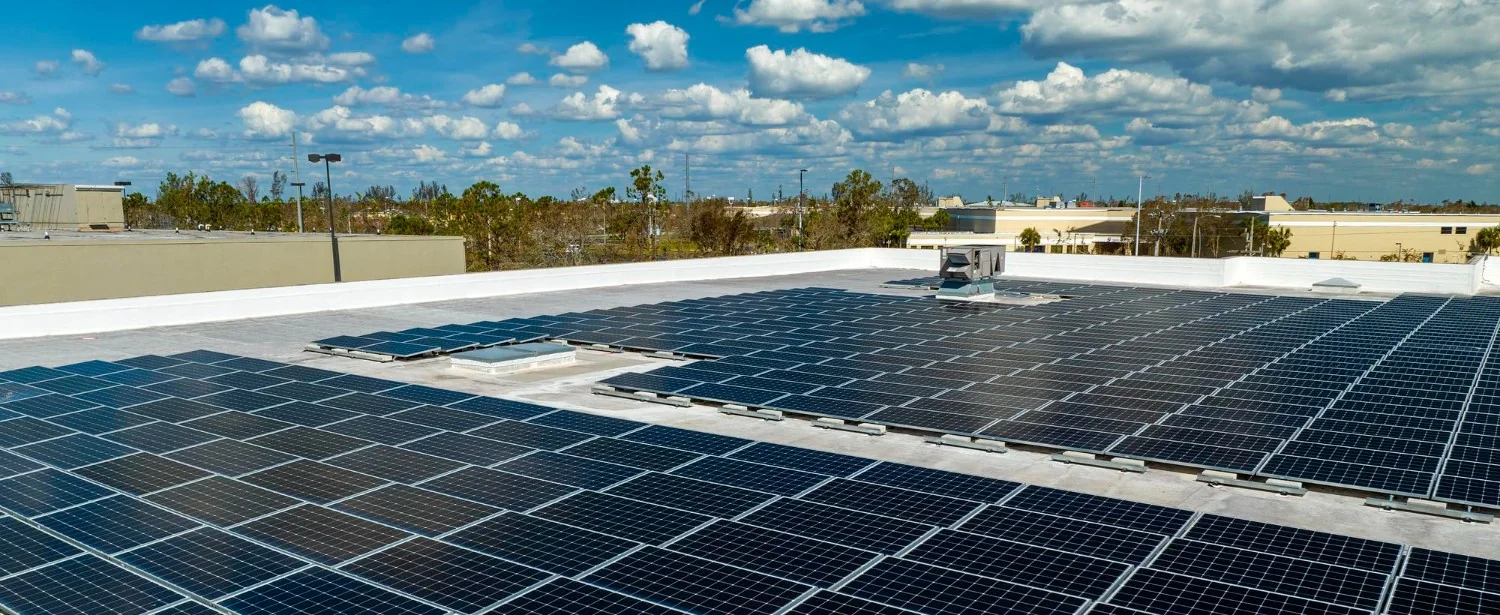
<ul><li><i>India’s rooftop solar capacity reached 30.7 GW in July 2026, increasing the need for better grid management and flexibility.</i></li><li><i>Kerala and Maharashtra are exploring battery ener…

• 𝘛𝘩𝘦 𝘌𝘐𝘉 𝘎𝘳𝘰𝘶𝘱 𝘱𝘭𝘢𝘯𝘴 𝘵𝘰 𝘱𝘳𝘰𝘷𝘪𝘥𝘦 𝘢𝘵 𝘭𝘦𝘢𝘴𝘵 €30 𝘣𝘪𝘭𝘭𝘪𝘰𝘯 𝘧𝘰𝘳 𝘤𝘭𝘪𝘮𝘢𝘵𝘦 𝘢𝘥𝘢𝘱𝘵𝘢𝘵𝘪𝘰𝘯 𝘣𝘦𝘵𝘸𝘦𝘦𝘯 2026 𝘢𝘯𝘥 2030. • 𝘛𝘩𝘦 𝘯𝘦𝘸 𝘵𝘢𝘳𝘨𝘦𝘵 𝘥𝘰𝘶𝘣𝘭𝘦𝘴 𝘢𝘥𝘢𝘱𝘵𝘢𝘵𝘪𝘰𝘯 𝘧𝘪𝘯𝘢𝘯𝘤𝘪𝘯𝘨 𝘤𝘰𝘮𝘱𝘢𝘳𝘦𝘥 𝘸𝘪𝘵𝘩 𝘵𝘩𝘦 𝘱𝘳𝘦𝘷𝘪𝘰𝘶𝘴 𝘧𝘪𝘷𝘦-𝘺𝘦𝘢𝘳 𝘱𝘦𝘳𝘪𝘰𝘥. • 𝘍𝘶𝘯𝘥𝘪𝘯𝘨…