

29 December 2025
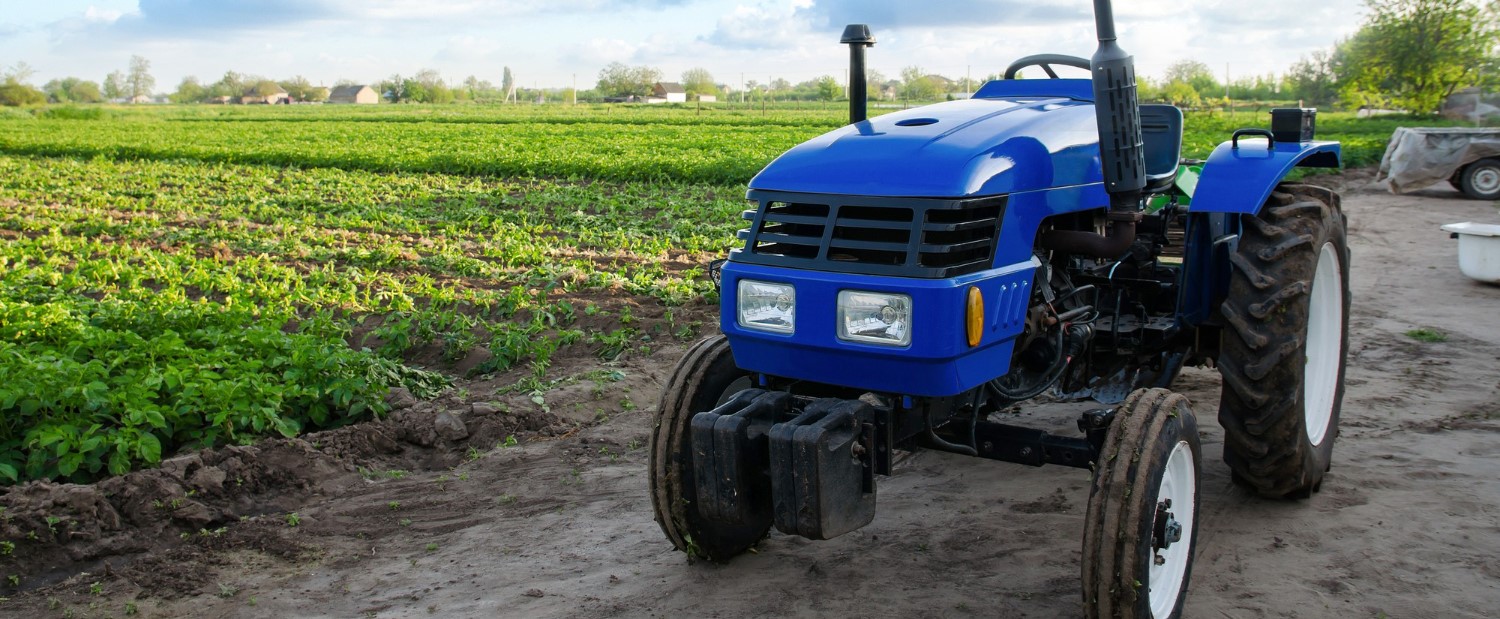
The Bureau of Indian Standards (BIS) has notified India’s first official testing standard for electric tractors, marking an important step toward cleaner and more sustainable agricultural mechanisation. The standard was launched on National Consumer Day by the Union Minister for Consumer Affairs, Food and Public Distribution, signalling the government’s intent to promote environmentally friendly farming technologies.
This new framework defines how electric tractors should be tested for performance, safety and reliability. It covers aspects such as power output, vibration levels, belt and pulley systems, and component durability, adapting existing tractor and electric vehicle standards specifically for agricultural conditions.
By setting uniform technical benchmarks, the standard is expected to build trust among manufacturers, regulators and farmers. It helps ensure that electric tractors entering the market meet minimum quality and safety expectations, which is essential for wider acceptance in rural and farming communities.
Overall, the move is aimed at encouraging the adoption of electric tractors by reducing uncertainty around their performance and safety. It supports India’s broader goals of lowering emissions, cutting fuel dependence, and advancing clean and sustainable farming practices.
Electric tractor testing standards address one of the more strategically important sustainability transitions in Indian agriculture. Diesel tractors are a substantial contributor to farm-sector emissions, and electrification offers meaningful decarbonisation potential - provided the vehicles meet the reliability, durability and performance requirements that farming operations demand.
The BIS framework's coverage of power output, vibration, belt-and-pulley systems and component durability reflects the operational reality that agricultural vehicles face conditions far more demanding than urban EVs. Uniform quality standards reduce buyer uncertainty and support the commercial-scale manufacturing that lower unit costs ultimately require.
For agricultural equipment manufacturers, battery producers, agri-financial institutions and their supply-chain partners, Cognitud's supply chain and operations, market intelligence and sustainability due diligence teams help clients evaluate electric-tractor market opportunities under emerging standards, structure sustainability-linked commercial arrangements, and prepare disclosures aligned with BRSR, ISSB and jurisdictional agri-mechanisation frameworks that increasingly determine access to sustainable-agriculture finance.

• 𝘋𝘶𝘣𝘢𝘪 𝘗𝘰𝘭𝘪𝘤𝘦 𝘩𝘢𝘴 𝘤𝘰𝘮𝘱𝘭𝘦𝘵𝘦𝘥 𝘵𝘩𝘦 𝘧𝘪𝘳𝘴𝘵 𝘱𝘩𝘢𝘴𝘦 𝘰𝘧 𝘢 𝘴𝘰𝘭𝘢𝘳 𝘦𝘯𝘦𝘳𝘨𝘺 𝘱𝘳𝘰𝘫𝘦𝘤𝘵 𝘢𝘤𝘳𝘰𝘴𝘴 28 𝘱𝘰𝘭𝘪𝘤𝘦 𝘴𝘪𝘵𝘦𝘴. • 𝘛𝘩𝘦 𝘱𝘳𝘰𝘫𝘦𝘤𝘵 𝘪𝘴 𝘦𝘴𝘵𝘪𝘮𝘢𝘵𝘦𝘥 𝘵𝘰 𝘳𝘦𝘥𝘶𝘤𝘦 𝘢𝘯𝘯𝘶𝘢𝘭 𝘤𝘢𝘳𝘣𝘰𝘯 𝘦𝘮𝘪𝘴𝘴𝘪𝘰𝘯𝘴 𝘣𝘺 26,000 𝘵𝘰𝘯𝘯𝘦𝘴. • 𝘛𝘩𝘦 𝘳𝘦𝘥𝘶𝘤𝘵𝘪𝘰𝘯 𝘦𝘲𝘶𝘢𝘵𝘦𝘴 𝘵𝘰…

• 𝘚𝘪𝘯𝘨𝘢𝘱𝘰𝘳𝘦 𝘩𝘢𝘴 𝘪𝘯𝘵𝘳𝘰𝘥𝘶𝘤𝘦𝘥 𝘢 𝘱𝘳𝘰𝘱𝘰𝘴𝘦𝘥 𝘋𝘪𝘨𝘪𝘵𝘢𝘭 𝘐𝘯𝘧𝘳𝘢𝘴𝘵𝘳𝘶𝘤𝘵𝘶𝘳𝘦 𝘉𝘪𝘭𝘭 𝘢𝘪𝘮𝘦𝘥 𝘢𝘵 𝘴𝘵𝘳𝘦𝘯𝘨𝘵𝘩𝘦𝘯𝘪𝘯𝘨 𝘵𝘩𝘦 𝘴𝘦𝘤𝘶𝘳𝘪𝘵𝘺, 𝘳𝘦𝘴𝘪𝘭𝘪𝘦𝘯𝘤𝘦 𝘢𝘯𝘥 𝘦𝘯𝘷𝘪𝘳𝘰𝘯𝘮𝘦𝘯𝘵𝘢𝘭 𝘴𝘶𝘴𝘵𝘢𝘪𝘯𝘢𝘣𝘪𝘭𝘪𝘵𝘺 𝘰𝘧 𝘥𝘢𝘵𝘢 𝘤𝘦𝘯𝘵𝘳𝘦𝘴 𝘢𝘯𝘥 𝘤𝘭𝘰𝘶𝘥 𝘴𝘦𝘳𝘷𝘪𝘤𝘦𝘴. • 𝘛𝘩𝘦 𝘉𝘪𝘭𝘭 𝘸𝘰𝘶𝘭𝘥…

• 𝘌𝘶𝘳𝘰𝘱𝘦’𝘴 𝘭𝘢𝘳𝘨𝘦𝘴𝘵 𝘪𝘯𝘥𝘶𝘴𝘵𝘳𝘪𝘢𝘭 𝘤𝘢𝘳𝘣𝘰𝘯 𝘤𝘢𝘱𝘵𝘶𝘳𝘦 𝘧𝘢𝘤𝘪𝘭𝘪𝘵𝘺 𝘩𝘢𝘴 𝘣𝘦𝘦𝘯 𝘪𝘯𝘢𝘶𝘨𝘶𝘳𝘢𝘵𝘦𝘥 𝘢𝘵 𝘠𝘢𝘳𝘢’𝘴 𝘢𝘮𝘮𝘰𝘯𝘪𝘢 𝘢𝘯𝘥 𝘧𝘦𝘳𝘵𝘪𝘭𝘪𝘴𝘦𝘳 𝘱𝘭𝘢𝘯𝘵 𝘪𝘯 𝘚𝘭𝘶𝘪𝘴𝘬𝘪𝘭, 𝘵𝘩𝘦 𝘕𝘦𝘵𝘩𝘦𝘳𝘭𝘢𝘯𝘥𝘴. • 𝘛𝘩𝘦 𝘧𝘢𝘤𝘪𝘭𝘪𝘵𝘺 𝘤𝘢𝘯 𝘤𝘢𝘱𝘵𝘶𝘳𝘦 𝘢𝘯𝘥 𝘭𝘪𝘲𝘶𝘦𝘧𝘺 𝘶𝘱 𝘵𝘰 800,000 𝘵𝘰𝘯…