


17 February 2026
His Highness Shaikh Mohammed bin Salman bin Hamad Al Khalifa inaugurated the second phase of Bahrain’s Ghaf tree planting initiative, reinforcing the Kingdom’s commitment to environmental sustainability and climate resilience. The launch signals continued national efforts to integrate environmental protection into development planning while strengthening natural resource management.
The ceremony marked the expansion of the initiative, which aims to increase Ghaf tree cultivation to 100,000 trees. The second phase supports Bahrain’s National Action Plan for carbon neutrality and aligns with the country’s target of achieving net zero emissions by 2060. Officials highlighted that afforestation plays a critical role in reducing emissions and enhancing ecological balance.
Senior officials and dignitaries, including the UAE Ambassador to Bahrain, attended the launch event. The initiative also reflects broader regional cooperation and shared environmental priorities across Gulf nations.
The Ghaf tree, known for its resilience to desert conditions, deep root systems and ability to withstand drought and high salinity, is well suited to Bahrain’s climate. Beyond its environmental benefits, the tree contributes to soil stability, biodiversity and the aesthetic enhancement of urban and desert landscapes.
Ghaf tree planting is particularly well-suited to Gulf climate conditions - deep roots, drought resistance and salt tolerance allow the species to survive and thrive in landscapes where other tree species struggle. Progressive expansion toward the 100,000-tree target reflects sustained institutional commitment rather than one-off headline event.
Beyond direct carbon sequestration, Ghaf trees provide meaningful co-benefits: soil stabilisation reduces erosion, root systems support groundwater retention, and mature trees create localised habitat for desert biodiversity. For urban and desert landscape enhancement, they also deliver aesthetic and quality-of-life improvements often overlooked in purely emissions-focused sustainability metrics.
For real-estate developers, infrastructure operators, CSR programme managers and financial institutions supporting Gulf nature-based investment, Cognitud's nature-based solutions, climate action and impact assessment teams help clients evaluate afforestation-partnership opportunities, structure long-term stewardship arrangements, and prepare disclosures aligned with TNFD, SBTN and jurisdictional biodiversity frameworks that increasingly determine access to nature-linked sustainable-finance.

• 𝘛𝘩𝘦 𝘜𝘈𝘌 𝘍𝘰𝘰𝘥 𝘉𝘢𝘯𝘬 𝘢𝘯𝘥 𝘋𝘶𝘣𝘢𝘪’𝘴 𝘊𝘰𝘮𝘮𝘶𝘯𝘪𝘵𝘺 𝘋𝘦𝘷𝘦𝘭𝘰𝘱𝘮𝘦𝘯𝘵 𝘈𝘶𝘵𝘩𝘰𝘳𝘪𝘵𝘺 (𝘊𝘋𝘈) 𝘩𝘢𝘷𝘦 𝘴𝘪𝘨𝘯𝘦𝘥 𝘢𝘯 𝘢𝘨𝘳𝘦𝘦𝘮𝘦𝘯𝘵 𝘵𝘰 𝘤𝘰𝘭𝘭𝘦𝘤𝘵 𝘢𝘯𝘥 𝘳𝘦𝘥𝘪𝘴𝘵𝘳𝘪𝘣𝘶𝘵𝘦 𝘴𝘶𝘳𝘱𝘭𝘶𝘴 𝘧𝘰𝘰𝘥 𝘧𝘳𝘰𝘮 𝘸𝘦𝘥𝘥𝘪𝘯𝘨𝘴 𝘢𝘯𝘥 𝘦𝘷𝘦𝘯𝘵𝘴. • 𝘛𝘩𝘦 𝘪𝘯𝘪𝘵𝘪𝘢𝘵𝘪𝘷𝘦 𝘸𝘪𝘭𝘭 𝘧𝘰𝘭𝘭𝘰𝘸 𝘢𝘱𝘱𝘳𝘰𝘷𝘦𝘥…
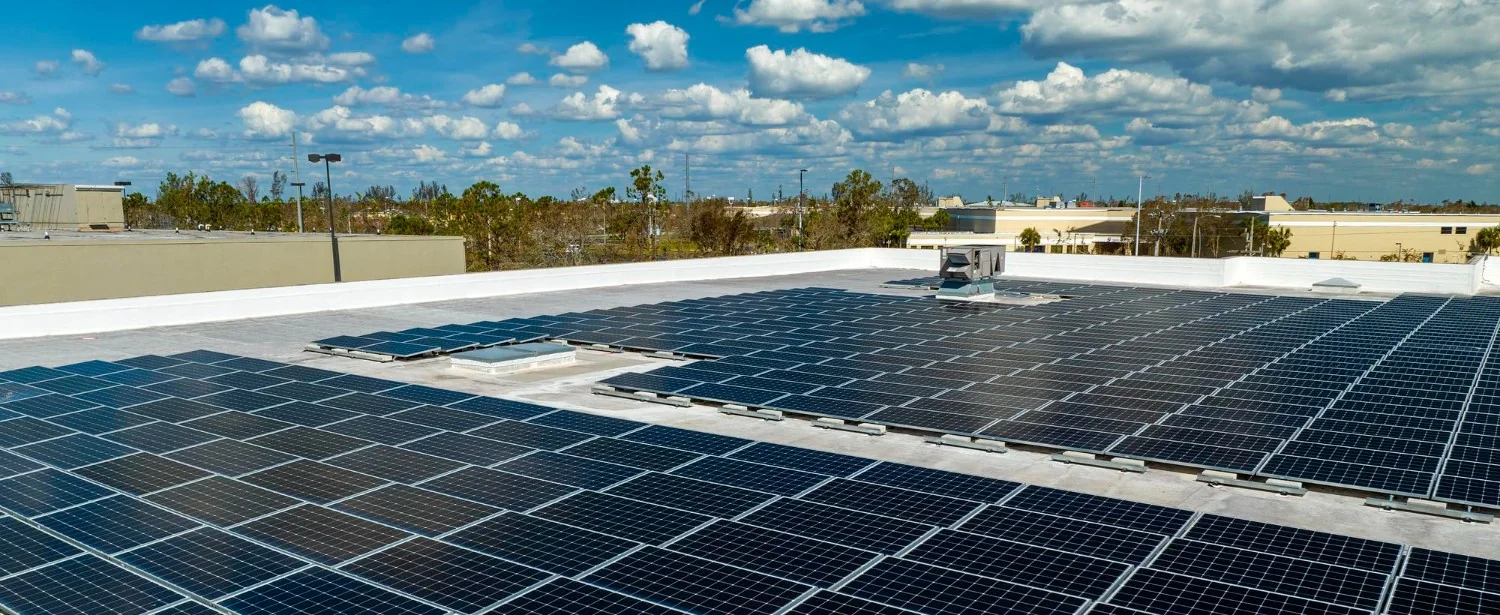
<ul><li><i>India’s rooftop solar capacity reached 30.7 GW in July 2026, increasing the need for better grid management and flexibility.</i></li><li><i>Kerala and Maharashtra are exploring battery ener…

• 𝘛𝘩𝘦 𝘌𝘐𝘉 𝘎𝘳𝘰𝘶𝘱 𝘱𝘭𝘢𝘯𝘴 𝘵𝘰 𝘱𝘳𝘰𝘷𝘪𝘥𝘦 𝘢𝘵 𝘭𝘦𝘢𝘴𝘵 €30 𝘣𝘪𝘭𝘭𝘪𝘰𝘯 𝘧𝘰𝘳 𝘤𝘭𝘪𝘮𝘢𝘵𝘦 𝘢𝘥𝘢𝘱𝘵𝘢𝘵𝘪𝘰𝘯 𝘣𝘦𝘵𝘸𝘦𝘦𝘯 2026 𝘢𝘯𝘥 2030. • 𝘛𝘩𝘦 𝘯𝘦𝘸 𝘵𝘢𝘳𝘨𝘦𝘵 𝘥𝘰𝘶𝘣𝘭𝘦𝘴 𝘢𝘥𝘢𝘱𝘵𝘢𝘵𝘪𝘰𝘯 𝘧𝘪𝘯𝘢𝘯𝘤𝘪𝘯𝘨 𝘤𝘰𝘮𝘱𝘢𝘳𝘦𝘥 𝘸𝘪𝘵𝘩 𝘵𝘩𝘦 𝘱𝘳𝘦𝘷𝘪𝘰𝘶𝘴 𝘧𝘪𝘷𝘦-𝘺𝘦𝘢𝘳 𝘱𝘦𝘳𝘪𝘰𝘥. • 𝘍𝘶𝘯𝘥𝘪𝘯𝘨…